

The holiday season is on the horizon. You’re planning outfits, bookmarking restaurants and counting down the days until take-off. But for many of us, especially if sleep has already become a little more elusive in midlife, the thought of jet lag can really take the shine off travelling.
Crossing multiple time zones temporarily throws our internal body clock out of sync, affecting everything from sleep and energy levels to digestion, mood and concentration.
The good news? A few simple strategies before, during and after your flight can help you adjust more quickly – so you can get on with your holiday.
What is jet lag?
Unlike general travel fatigue, jet lag is a recognised sleep disorder caused by crossing multiple time zones. As your body clock struggles to match local time, you may experience fatigue, daytime sleepiness, difficulty sleeping, poor concentration, headaches, irritability or digestive discomfort.
“Long-haul travel disrupts far more than just sleep,” says Sam Greene, founder of F+NCTION. “It temporarily throws off the body’s entire circadian rhythm, which governs energy, cognition, hormone release, digestion and recovery.”
Lola Biggs, a dietitian at Together Health, agrees. “Jet lag is the side effect of our body adapting to a new time zone and the resulting shift in our internal body clock,” she explains.
For women in perimenopause and menopause, the effects can sometimes feel more noticeable. If we’re already navigating night sweats or disrupted sleep, changing time zones can leave us feeling even more knackered.
So, how long does it take to recover? Research suggests it can take around half a day to adjust for every time zone travelled west, and around one day per time zone travelled east – one reason why flights to Asia often feel more challenging than trips across the Atlantic.
How to beat jet lag (and make the most of your holiday)
Before you fly
Preparing for jet lag starts before we even board the plane. Prioritising sleep, hydration and good nutrition can all help our bodies to cope better with the disruption ahead.
“At 47, how I travel as a professional athlete is very different to how I travelled in my thirties,” says Ruth Osborn, the UK National Record-Holding Freediver. “I prioritise comfort. I always pack an eye mask, earplugs and a blanket. The more comfortable the journey, the easier the adjustment.”
Years of international travel have also taught Ruth the importance of fuelling well.
“Nutrition and hydration en route are key to arriving and recovering well,” she says. “In my carry-on there is always protein, creatine, collagen and a multi-nutrient – and I take my own food.”
If you’re travelling long haul, shifting your sleep schedule by 30 to 60 minutes for a few days before departure can help. Heading east? Try going to bed a little earlier. Flying west? Gradually stay up slightly later.
Lola also recommends considering magnesium if you’re hoping to sleep during your flight. “Taking magnesium around an hour before your flight may help encourage relaxation and support normal sleep,” she explains.
During the flight
What we eat, drink and do on board can make a surprising difference to how we feel on landing.
“Simplicity is your friend,” says Lola. “Choose easy-to-digest foods such as oats, rice, fruit and lean protein, and avoid heavy, high-fat or ultra-processed meals, which can feel even more uncomfortable due to cabin pressure.”
She also recommends resisting the temptation to graze on sugary or salty snacks, which may contribute to bloating and water retention.
One of the easiest ways to help your body prepare for its new routine is to switch to your destination’s timetable as soon as you board.
“As soon as you’re on the plane, begin eating meals according to local time at your destination,” says Lola. “This helps signal to the body that a new rhythm is coming.”
Hydration is equally important.
“Even mild dehydration worsens fatigue and sleep quality,” says Sam. “Alcohol and excessive caffeine compound the issue.”
“As boring as it sounds, water really is your best choice,” adds Lola. “Alcohol is a diuretic, meaning you’ll lose more fluid, while too much caffeine may make it harder to sleep if that’s your goal.”
If possible, get up every couple of hours for a gentle walk up and down the aisle. A little movement can improve circulation, reduce stiffness and leave you feeling more refreshed after a long flight.
Once you’ve landed
Whether we’ve just arrived on holiday or returned home, the quickest way to reset our body clock is to embrace local time as soon as possible.
“The faster you behave according to the destination’s local time, the faster your biology follows,” says Sam.
That means eating meals at local times, aiming to stay awake until bedtime and getting outside during daylight hours.
“Eating in alignment with the local schedule helps anchor the body clock faster, and a brisk walk outdoors after breakfast or lunch can meaningfully accelerate adaptation,” Sam explains.
Morning daylight is particularly powerful. Exposure to natural light soon after waking sends a strong signal to your brain that it’s time to be alert, helping your circadian rhythm adjust more quickly.
Lola also recommends building balanced meals around protein, healthy fats and fibre.
“Even if your appetite feels out of sync initially, protein at breakfast – such as eggs, yoghurt or nuts – can help promote alertness, while a balanced evening meal including whole grains and vegetables may support serotonin production and sleep readiness.”
East or west – which is harder?
Many people find travelling east more difficult than travelling west.
That’s because our internal body clock naturally runs slightly longer than 24 hours, making it easier to stay awake a little later than to fall asleep earlier. Travelling east effectively shortens the day, while westbound travel lengthens it, which most of us find easier to adapt to.
Natural daylight can help speed up the adjustment.
“Expose yourself to natural daylight during the morning in the new time zone, even if you’re tired,” recommends Sam. “It signals to the brain that it’s time to recalibrate. Conversely, minimise bright evening light if you’re trying to shift your body clock earlier.”
Should you have a nap?
After a long flight, an afternoon snooze can feel incredibly tempting. But if you’re trying to overcome jet lag quickly, it’s usually best to avoid long daytime naps during your first day.
“Avoid trying to ‘catch up’ on sleep during the day,” advises Sam. “Whilst tempting, this often prolongs jet lag.”
If you simply can’t keep your eyes open, keep naps to around 20 to 30 minutes and avoid sleeping too late in the afternoon.
Ruth takes a more intuitive approach.
“Depending on how I feel, sometimes it benefits me to move, other times I just need rest – I listen to my body,” she says. “I find a larger dose of creatine helps with cognitive function whenever my sleep has been disrupted, and occasionally I’ve used caffeine to help me stay awake and adjust more quickly.”
Melatonin, available on prescription in the UK, can also play a role for some travellers.
“If crossing multiple time zones, melatonin can be a useful short-term tool when used strategically,” says Sam. “But it should support circadian alignment rather than replace healthy sleep habits.”
If you’d rather support your sleep naturally, Lola suggests focusing on your diet.
“Foods rich in tryptophan, including seeds, dairy and turkey, may help support the body’s own melatonin production,” she says. “B vitamins and omega-3 fatty acids can also support energy metabolism and resilience during travel.”
And finally, don’t forget that holidays are meant to be enjoyed.
“Consistency is helpful,” says Lola, “but so is flexibility. Stay hydrated, support your body where you can, and still enjoy the local food experiences that make travelling so memorable.”
6 travel essentials to help beat jet lag
The Naked Pharmacy Marine Magnesium, £11

Sustainably sourced from Ireland, this highly bioavailable magnesium helps promote restful sleep, nerve health, and optimal muscle function. Blended with an organic prebiotic to better support gut health.
Wild Nutrition, Vitamin B12 Plus, £18

B12 complex and beetroot powder support normal psychological, nervous, and immune functions, help maintain red blood cell production, and reduce tiredness.
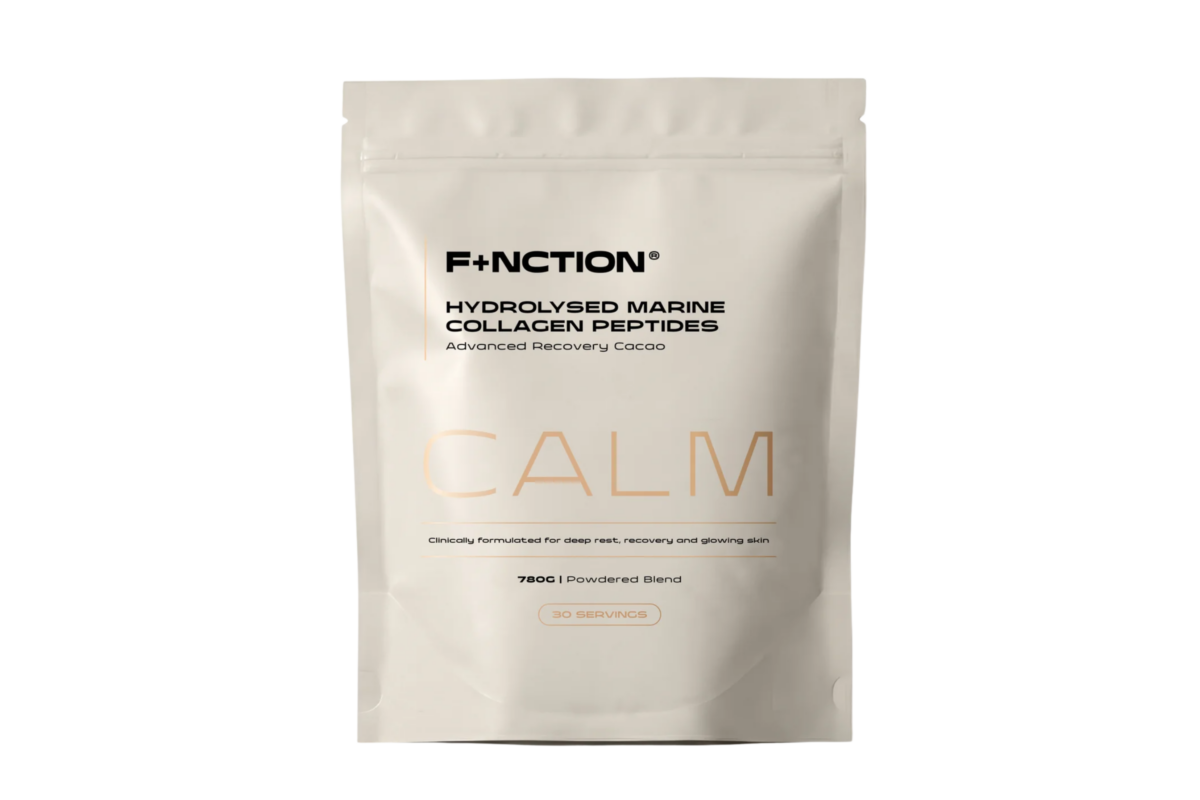
This calming drink utilises chamomile and l-theanine to promote relaxation. Ashwagandha and magnesium help to settle the nervous system, while added marine collagen promotes overnight skin, joint, and muscle repair.
The Better Menopause Better Gut, £40
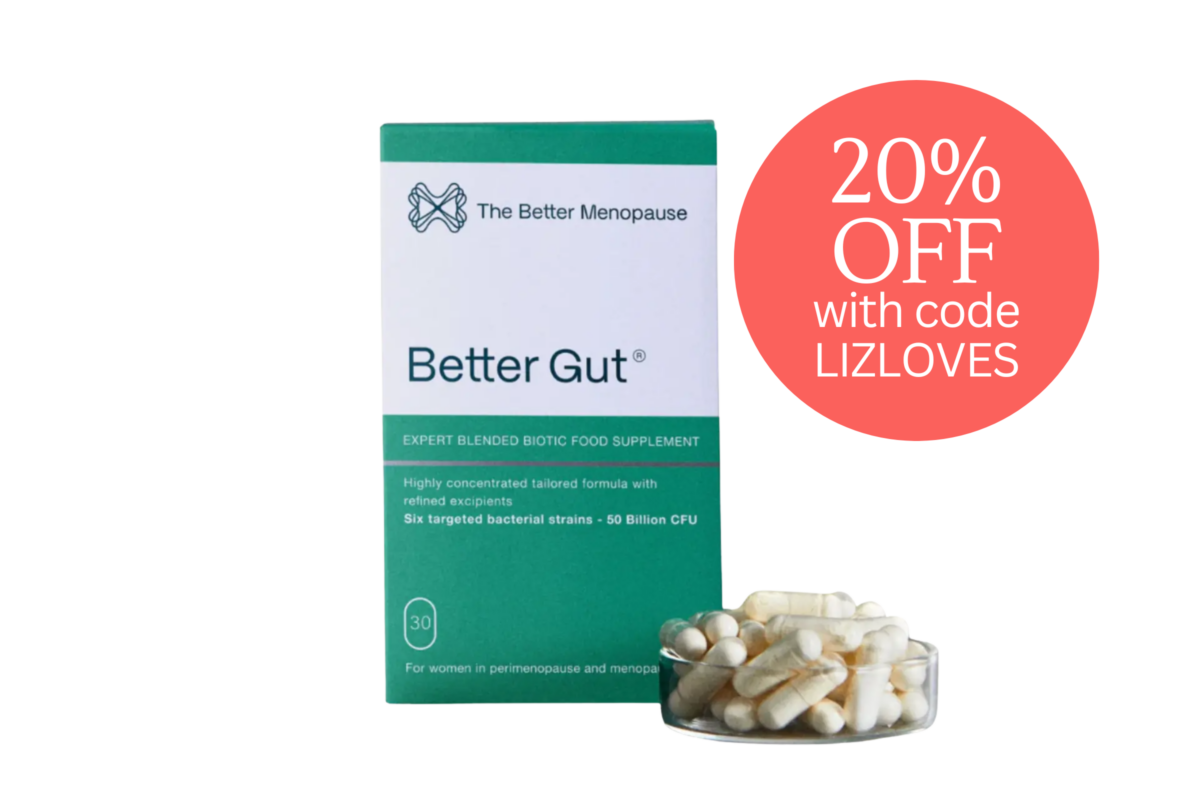
A potent gut-health hero for midlife women, each capsule contains six essential potent bacterial strains and 50 billion CFU to help repair the gut microbiome.
Leapfrog SNOOZE, £34.99
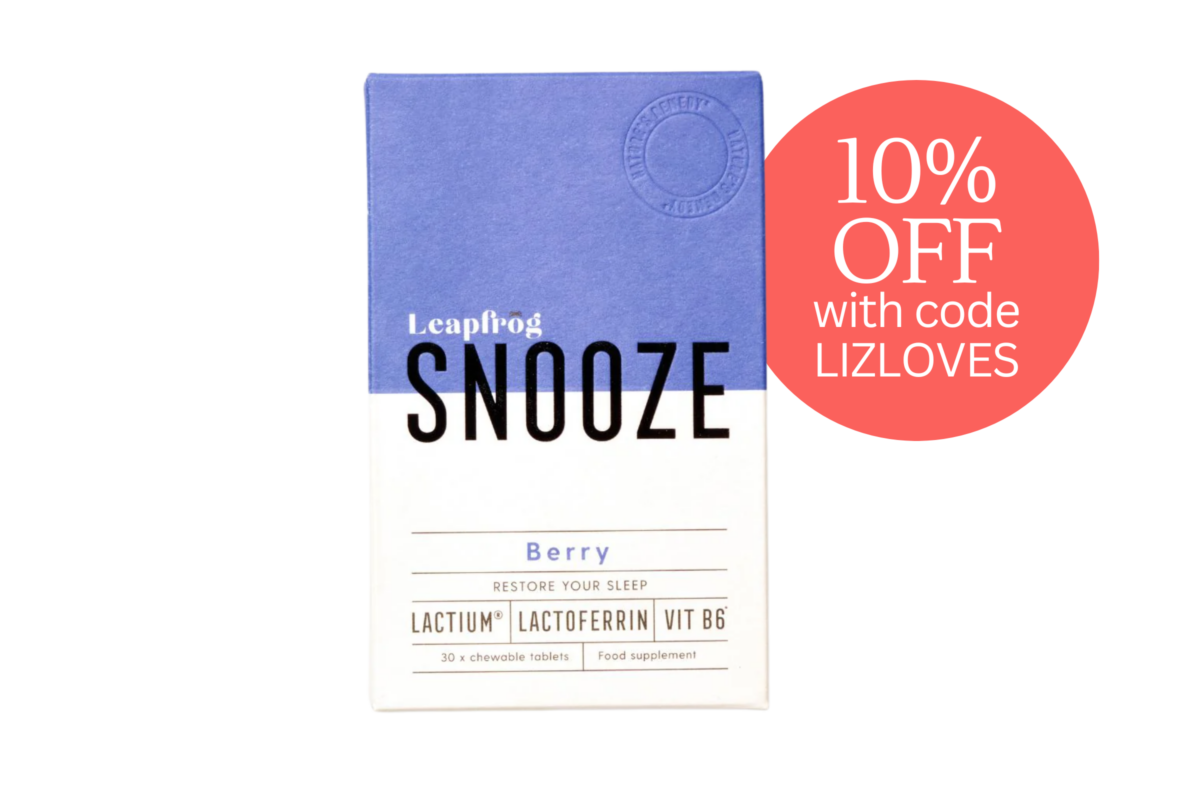
This clever formulation utilises bliss-inducing ingredients including lactoferrin to help promote sleepiness and ease you into a peaceful slumber.
Youth & Earth, AM: Sunrise Blend, Vanilla Matcha, £24.99

A morning blend for wellness and mental clarity, with medicinal mushrooms, adaptogens, nootropics, and superfoods, in a ceremonial-grade Matcha powder with vanilla. Formulated to heighten morning energy, enhance cognitive function and strengthen immune defence.
All prices correct at time of publishing. Please note, on some occasions, we earn revenue if you click the links and buy the products, but we never allow this to bias our coverage and always honestly review. For more information please read our Affiliate Policy.