


With solo female travel on the rise, Hayley Hamilton explores the power of taking on a bucket-list trip alone…
As I placed a third pair of khakis into my suitcase and ran through the motions of a now well-seasoned ritual—documents, visa, medications, insurance—I couldn’t help but feel a flicker of nerves. I’m an experienced traveller, with years of adventures in the rear-view mirror, but this one felt a little different. I was embarking on the trip of a lifetime: safaris and sunsets across three African countries. But I’d be doing it all with strangers.
Venturing into the unknown with people I’d never met may have been new to me, but it is far from uncommon. In spirit I’d be joining a wave of women who (in increasing numbers) are choosing to travel ‘alone’. In fact, women now make up more than three-quarters of all solo travellers. As many as 81% of solo female travellers are over 45, and more than half are travelling without their spouse.
The rise of solo female travel
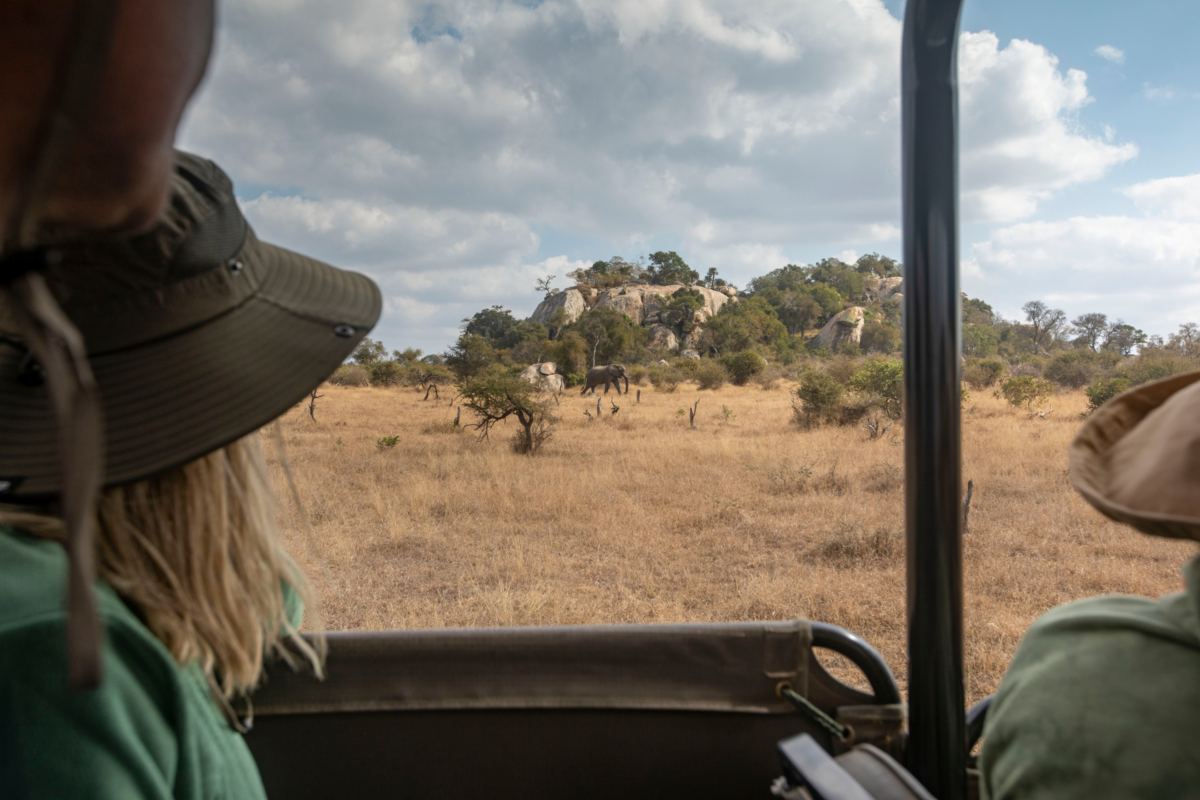
This shift has led to a surge in providers offering female-focused itineraries, with many designed to balance connection and social bonding with safety and support.
I was drawn to G Adventures, a leader in small group travel that puts community-first tourism at the core. Across its itineraries, solo female travellers make up 34% of guests.
“We’ve seen a rise in the more mature traveller, who is no longer willing to wait for a partner, friends or family to book an adventure,” says Yves Marceau, VP of product at G Adventures. “Whether it’s a life-changing event, a desire for something new, or just an itch to go out and experience the world, solo travelers are one of the fastest growing demographics in the travel industry.”
Heading out on safari with G Adventures
My tour started in Johannesburg. As much of the group had already met a few days earlier in Cape Town, conversation was flowing when I approached the dinner table. I paused briefly at the edge of it all, confronted with the exact situation many first-time-solo-travellers dread. “Everyone already knows each other,” I thought. “This is awkward.”
My anxieties had little time to take hold, however, as our Expedition Leader Mr. B soon appeared, with the kind of radiating warmth that feels like sunshine itself has arrived in human form. As he made introductions and the evening unfolded, the tension began to ease, and I realised I wasn’t the only one finding my footing. We spoke about our expectations for the trip, and quickly found common ground in shared excitement for what lay ahead.
In nature’s rhythm
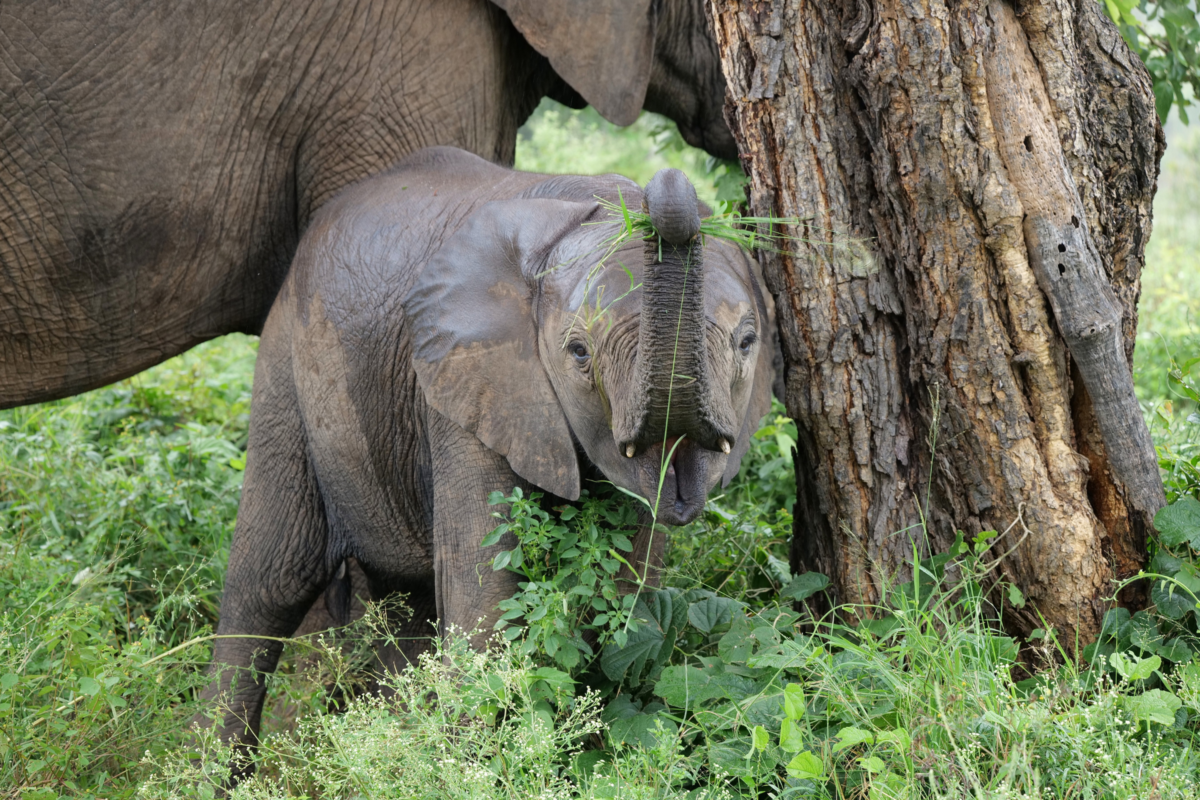
The following afternoon we arrived into the Kruger area, ready for four days of safari drives across two reserves. From here the rhythms of the days shifted immediately. Early starts became the norm, with alarms sounding before sunrise and evenings winding down just after sunset. I’d be lying if I said this was no shock to my system—between workaholic tendencies and a shift-pattern partner, my sleep hygiene is woeful at best and I rarely greet the dawn with a smile.
But as the days progressed I realised this forced structure was a blessing. Morning doomscrolls were replaced with the necessity to get out of bed quickly. Time lost to alarm-clock-snoozing was upgraded to gentle movement and natural light exposure. And the impact on my mood was almost instant. As my circadian rhythm began to find a new balance (daylight in particular does wonders for mitochondrial function), I felt more energised, less stressed and generally more upbeat.
The abundant mealtimes made it easy to prioritise the nutritious foods I’m often too time-poor to prepare at home. Between enriching conversations with fellow travellers, I loaded up on high-protein foods like eggs and chicken, leafy polyphenols, and magnesium-rich whole foods like legumes and rice—all brilliant for energy production to fuel demanding days.
With eating restricted to defined windows, I was also able to rein in another habit I find impossible to shake normally: intermittent snacking. Instead, my body was allowed to properly fast between meals, avoiding sugar crashes in the short term and brilliant for mental clarity and reducing inflammation in the long term.
New experiences to boost the brain
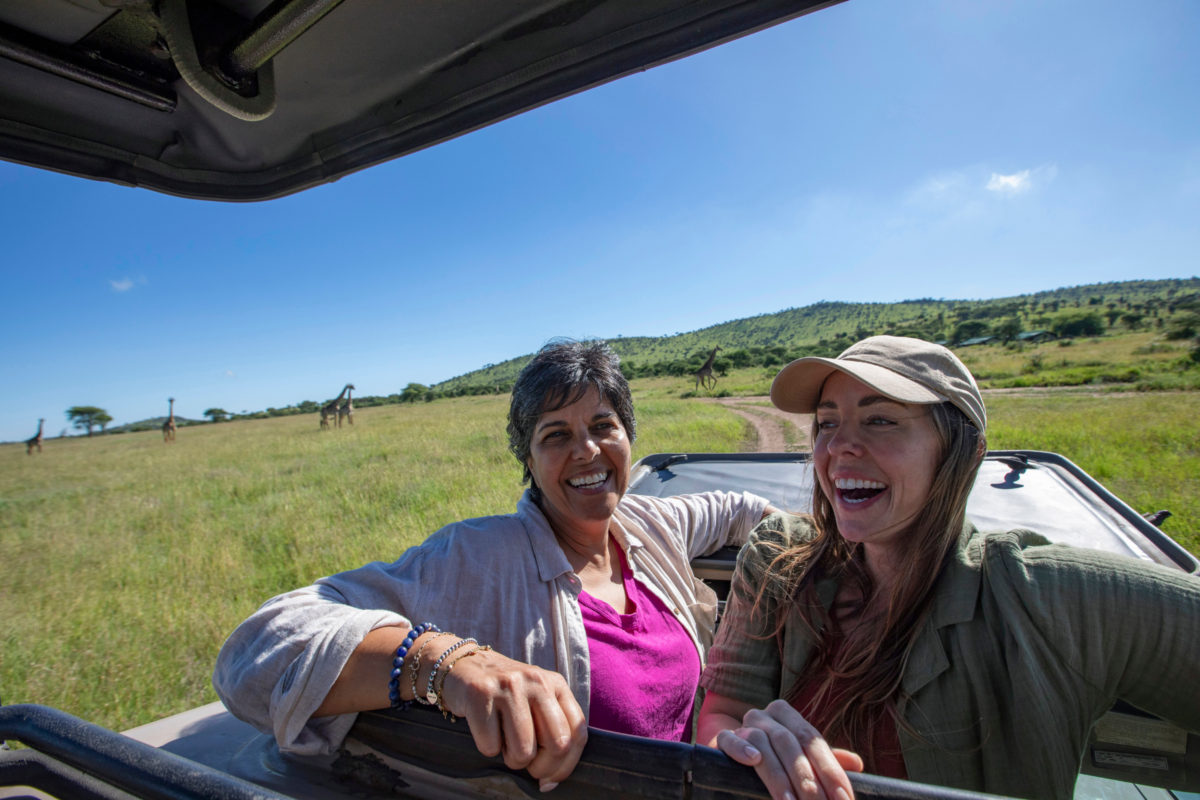
And the benefits kept coming. Daily drives into the bush yielded moments of shared euphoria with fellow guests, who revealed themselves to be some of the most heart-warmingly kind people I’d ever met. Between rare white rhino sightings and the tracking of elusive leopards we developed a collective sense of wonder, shaped both by the unpredictability of the landscape and the joy of experiencing the unknown together.
This kind of novelty plays a meaningful role in supporting cognitive health. Research shows that new experiences—particularly those that involve social interaction and mental challenge—can help to stimulate neuroplasticity, making us more adaptable.
Immersed in the natural world, and constantly confronting the edges of my comfort zone, I felt myself become more present, and more confident in my ability to handle the unexpected.
Travel with purpose
National Geographic Journeys is a product of the National Geographic and G Adventures partnership, formed in 2015. Channelling G Adventures’ community-centric tourism model with the expedition expertise of National Geographic, these tours are designed to take travellers deeper into the cultures and habitats of each destination.
While visiting Chisomo Safari Camp in the Karongwe Private Game Reserve we met with a researcher from the Endangered Wildlife Trust’s Cheetah Range Expansion Project. After a compelling lecture on the challenges of protecting cheetahs in the region she joined us for a game drive, offering a nuanced lens through which to experience the landscape. This built on impressive expertise already exhibited by the guide and tracker team, including in particular that of Head Guide Jack Sibuyi.
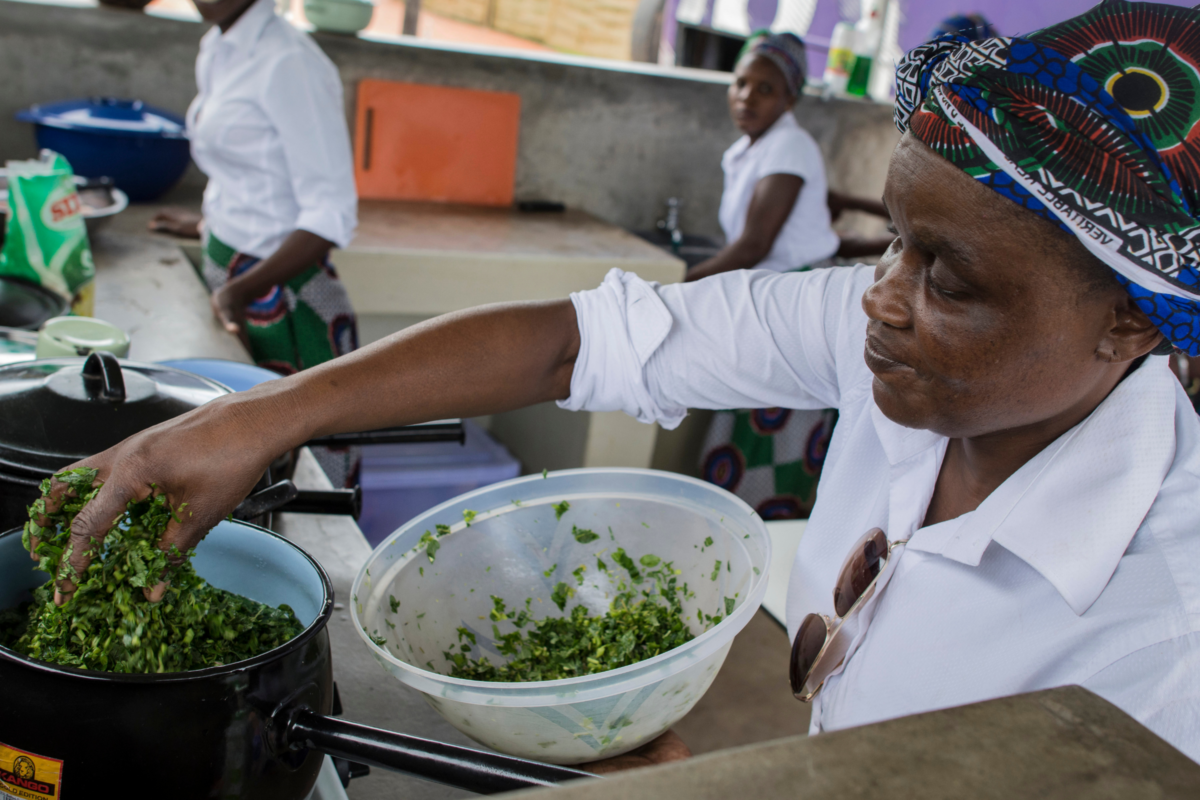
In Zimbabwe, the focus widened again. Through non-profit partner Planeterra we connected with the Princess Sewing and Laundry Cooperative, an initiative aimed at job creation and female empowerment in the local community. We also paid a visit to Flatter Ncube, a local widow who shared her experiences as a woman in Zimbabwe while serving a mix of local dishes.
For our expedition leader, Princess, it’s this authentic relationship to culture and the impact of the programmes’ initiatives that makes her role at G Adventures so rewarding.
“One of our core values is to try and change the lives of the communities we travel to,” she says. “I believe it is my duty to raise awareness, help travellers learn about our culture, and to uplift communities that are struggling.” In addition to supporting groups on the ground, money from the tour price automatically goes to humanitarian projects.
Beyond the journey
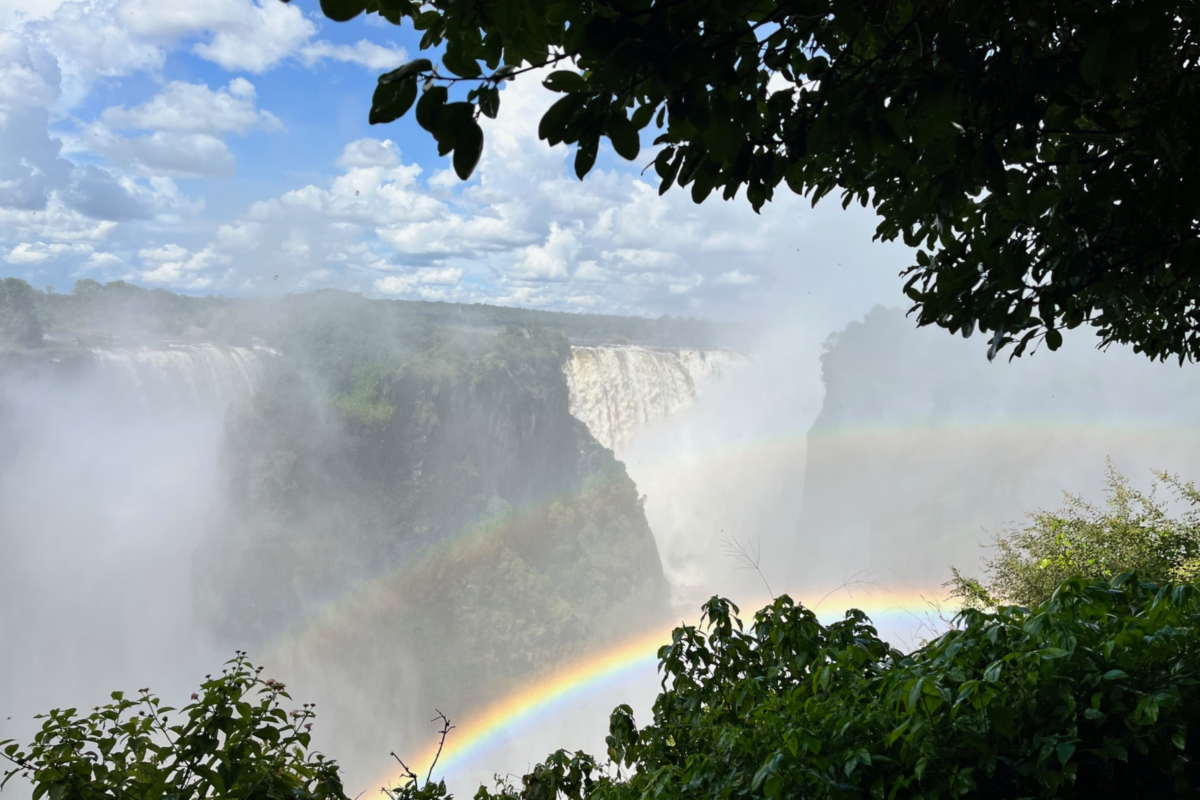
Before I knew it the trip was drawing to a close and I was heading out for one final adventure, a day trip to Botswana’s world-famous Chobe National Park. I clambered into a safari truck for the last time, alongside people I’d come to see as friends, and I thought back to that first dinner in Johannesburg and the moments along the way.
The quiet acts of support from fellow travellers when I’d felt anxious. The life advice they’d shared that had really struck a chord. The guides and Expedition Leaders who’d shaped our experiences with the greatest care and expertise. The people that I hope I will meet again one day.
I also found myself reflecting on changes within me. I felt noticeably calmer, and more willing to move with whatever the day brought. I’d developed a more expansive, flexible outlook, and my confidence had grown. The lessons, too, have lingered, like the value of morning light before screens, and the realisation that, if you can find the courage to approach that dining table alone for the first time, the rest will follow.
How to take your own solo trip
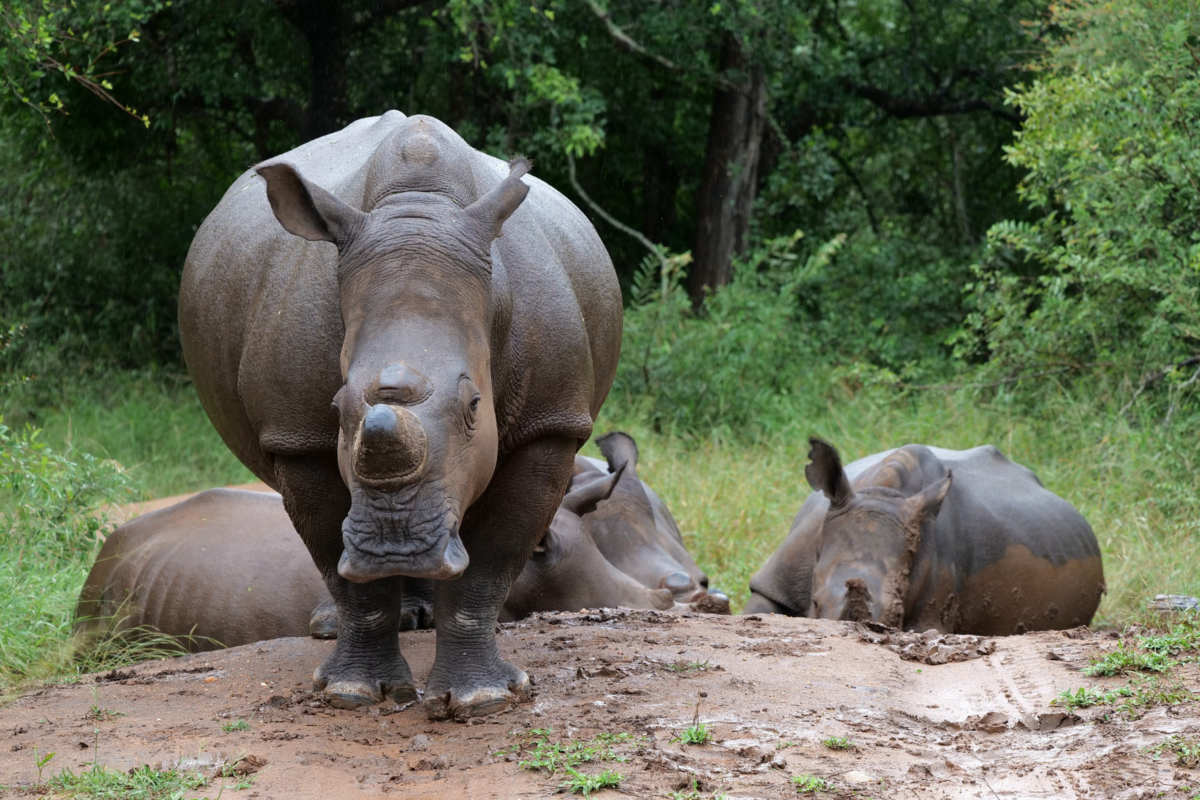
Experience the wonders of South Africa and Zimbabwe on this nine day extraordinary trip. Go on safari in the Greater Kruger area, spotting and photographing elephants, lions, and leopards on their own turf. Then fly to Zimbabwe to witness the spectacle of Victoria Falls, one of the most powerful waterfalls on the planet; and enjoy a traditional meal prepared by a local village family. Price from £3,219pp excluding international flights. Average age on National Geographic Journeys trips is 56, with female travellers making up 62%.
Find out more about Journeys: Explore Kruger & Victoria Falls
Images: copyright of © G Adventures Inc and Hayley Hamilton.
