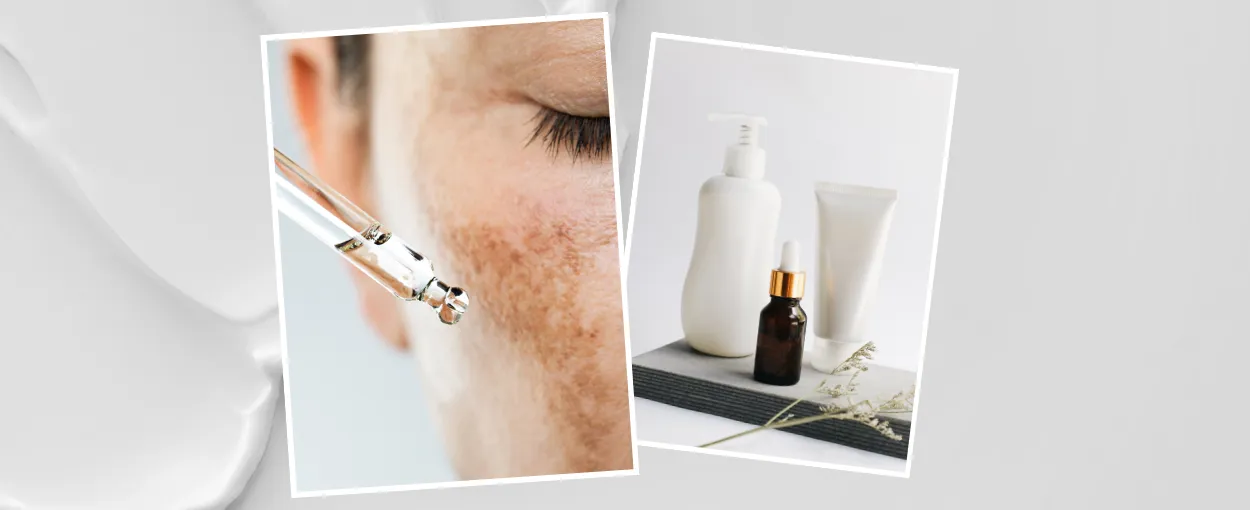
Why daily SPF may do more harm than good (according to a dermatologist)
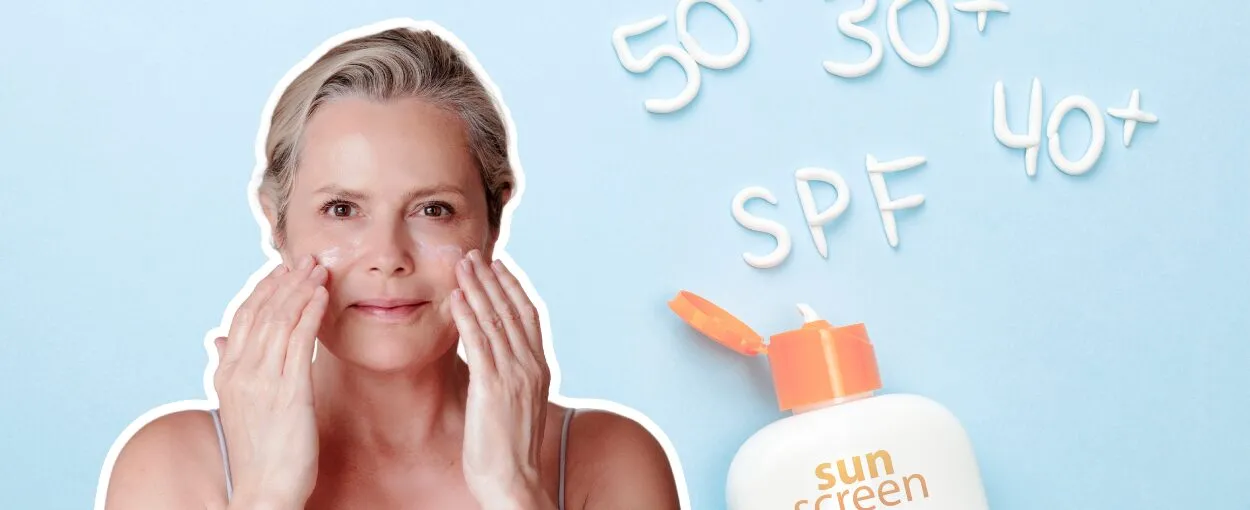
Slather it on every morning, keep a spare tube in your bag and never step outside without it – sound familiar? Daily sunscreen has become the golden rule of contemporary skincare advice. But consultant dermatologist Dr Veronique Bataille, who has spent more than three decades studying melanoma, believes this one-size-fits-all advice may not be doing us the good we think.
Here she shares why blanket messages around SPF use can be misleading – and why a more balanced approach to sun exposure could actually benefit our health.
Why blanket sun warnings miss the mark
From the Slip! Slop! Slap! adverts of the 1980s to today’s posters urging year-round SPF 50, public health campaigns have made a daily lathering of sun protection feel non-negotiable. But Dr Bataille argues the message has tipped into fearmongering.
“In two generations, we’re suddenly telling people that the big yellow stuff in the sky is really bad for you and we should avoid it at all costs,” she says. “That’s not right. And we know it’s not right.”
Public health campaigns often give the impression that melanoma risk comes down solely to sun exposure – and that avoiding the sun keeps us safe. But as highlighted in Dr Bataille’s 2020 review of melanoma risk factors, the picture is far more complex.
Genetics play a major role, as do the tiny “caps” on our DNA called telomeres, which influence how well our cells resist damage. Factors like gender, age, body weight and the strength of our immune system also contribute.
This doesn’t mean sunlight is irrelevant: severe burns in childhood remain a key risk factor. But limited everyday adult exposure appears far less significant than often claimed, with the dangers frequently overstated.
Why we still need the sun
Balanced against the risks are the many ways sunlight supports our health. When bare skin meets UVB rays, the body produces vitamin D – and while supplements are a helpful support in winter, research suggests they don’t deliver the same health benefits as natural sunlight. In a large cohort study of 30,000 women in Sweden, those who avoided the sun had higher overall mortality rates – even when vitamin D supplement use was taken into account.
Vitamin D deficiency is now widespread, even in sun-drenched Australia. In the UK, where summer UV levels are lower, the risk of deficiency is greater – prompting official guidance to take supplements during the darker months.
But vitamin D is only part of the picture. UVA exposure has been shown in controlled trials to lower blood pressure and improve circulation, possibly because sunlight triggers nitric oxide from skin stores. Sunlight also helps regulate circadian rhythms and can protect against seasonal mood disturbances – roughly 2 million people in the UK are affected by SAD (seasonal affective disorder), with many more affected by milder winter blues.
Why daily SPF isn’t always the answer
Sunscreen remains a useful tool when protecting adults and children from strong UV rays – but, according to Dr Bataille, portraying it as a harmless daily essential has gone too far.
Her main concern is skin health. “If you apply SPF 50 every day, you will damage your healthy, normal skin microbiome,” she warns. “I don’t think we were engineered to wear this year-round.”
She points to the rise of conditions she now sees in clinic – from rosacea to peri-oral dermatitis to acne – which she believes are linked in part to the overuse of high-factor suncreams and layered skincare. Emerging research supports this, showing that sunscreen ingredients can alter the balance of bacteria that keep skin resilient.
While those with fair skin and lots of freckles or moles need to be more careful, in people with darker skin, the risk of skin cancer is low and yet the advice is for them is to apply sunscreens all year round. “In darker skin, I’m absolutely convinced it will definitely not have any benefit to wear sunscreens all year round and is likely be harmful,” she says.
Protection is also rarely as strong as SPF labels suggest. Independent analysis by Choice, a trusted consumer advocacy group in Australia, has found that many bestselling sunscreens don’t deliver the level of protection claimed on the label. Similarly, high-factor creams can give a false sense of security, encouraging people to stay out longer when UV levels are at their highest – precisely when fairer skin types are most vulnerable
And there’s some data to suggest sunscreens themselves aren’t risk-free. Some chemical filters are absorbed into the bloodstream (the FDA has acknowledged this, though no long-term health harms have been identified). Reactions such as contact dermatitis and photoallergic rashes are possible, while certain ingredients contribute to coral reef damage and marine pollution.
Striking a balance
The answer isn’t to shun sun protection, but to use common sense. Enjoy time outside when UV levels are low, and when the risk of burning is higher, turn to practical protection – shade, clothing, hat and/or sunscreen.
Above all, Dr Bataille stresses the importance of being “skin aware.” That means paying attention to changes in your moles, asking a partner or family member to check areas you can’t see, and not hesitating to raise concerns if something looks unusual. A smartphone can help too: taking a close up photograph of a mole and checking it both a few weeks and a few months later can reveal whether it’s changing.
She reassures patients that, even in cases of melanoma, there is time to act. “Don’t think that if you’re not seen within the next three or four weeks, this is the end. Of course, don’t ignore warning signs and get a referral sorted, but you have plenty of time to be seen as melanoma grows slowly in its early stages. I see many patients who are so anxious when they cannot be seen straight away.”
The bottom line
The sun isn’t something to fear, but nor should it be abused. Burning must always be avoided, but balanced exposure brings wide-ranging benefits – from stronger bones and better heart health to brighter moods. Sunscreen is a useful tool when it’s needed, but not a daily duty all year round for everyone.