What is hyperpigmentation? Causes, types and treatments for women over 40
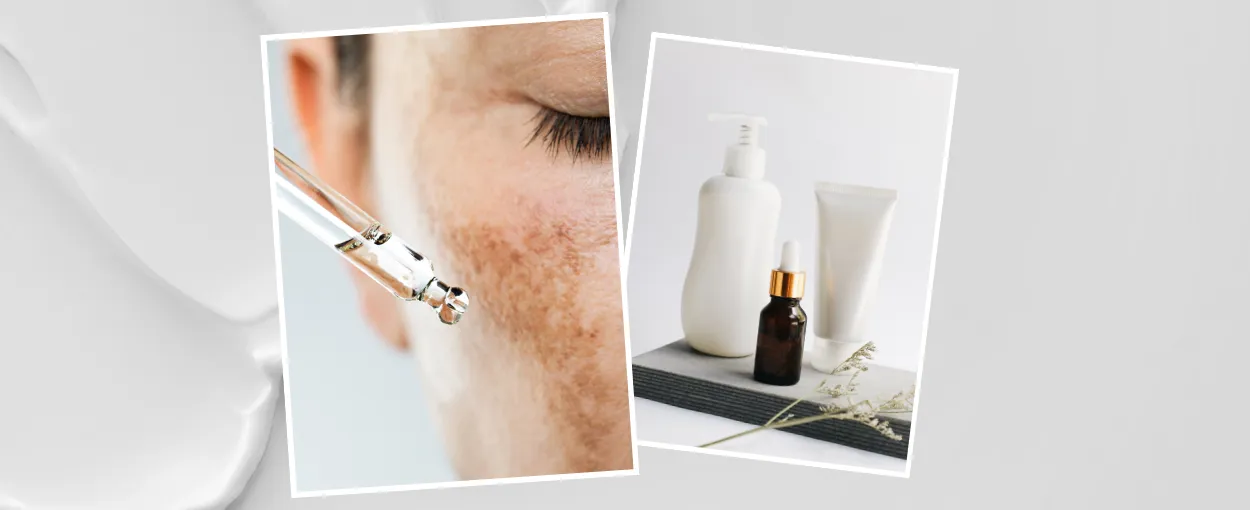
If you’ve noticed patches of uneven skin tone, dark spots or a generally duller complexion creeping in over the years, hyperpigmentation is likely the culprit – and one of the most misunderstood skin concerns in midlife.
Our first instinct might be to hide from the sun, to reach for a resurfacing serum or book in a laser appointment. But as the science is beginning to show, the full picture is more nuanced than that.
Here we break down everything you need to know about what hyperpigmentation is, what’s driving it – and how to address both the symptoms and root causes.
What is hyperpigmentation?
“Hyperpigmentation is when the skin produces too much melanin,” explains consultant dermatologist Dr Sajjad Rajpar.
Melanin is a protective pigment that gives skin its colour. It’s produced by specialised cells called melanocytes, which respond to triggers (such as strong sunshine, hormones and inflammation) by ramping up production.
When that production becomes uneven or excessive, it can show up on the surface as patches, spots or an overall change in tone.
What are the different types of hyperpigmentation?
Sun-induced hyperpigmentation (sun spots/age spots) is the most common form, and for many of us the groundwork was laid decades ago. As Liz shared on a recent podcast, “I grew up in the era of sunbeds and baby oil – all of this was seen as very healthy and glamourous.”
Melasma tends to appear in patches on the forehead, upper lip and cheeks, and is strongly linked to hormonal changes – the contraceptive pill, pregnancy and perimenopause can all trigger it. Family history plays a role too.
Post-inflammatory hyperpigmentation (PIH) occurs when inflammation – from acne, a rash, a burn or any skin trauma – disturbs the pigmentation system, causing melanin to leak into the surrounding skin.
“Some people get an acne spot where the redness lasts a week, but the pigmentation can last several months afterwards,” says Dr Rajpar. It is particularly common in darker skin tones, where melanin is more reactive to disruption.
What causes hyperpigmentation?
Excessive exposure to UV light, hormonal shifts and inflammation are the three main triggers most people know about. But emerging science is pointing to a deeper driver that explains why pigmentation can be so stubborn, so prone to returning, and so difficult to treat with topicals alone: mitochondrial dysfunction.
Mitochondria are the energy-producing structures inside every cell – including our skin cells.
As Liz writes in How to Age, “Mitochondria supply the energy needed for melanin production, they regulate how skin cells respond to UV light and how this all works in sync with the body’s internal clock. They are the master controller of how and when pigment is made in our skin.”
When mitochondrial function is compromised, through poor sleep, chronic stress, excessive UV exposure or simply the changes that come with age, pigment production can become erratic.
Cosmetic surgeon Dr Pablo Naranjo echoes this from a clinical perspective. “Mitochondria are the cell structures that produce energy called ATP,” he explains. “When ATP synthesis falls, cells produce less energy and are more susceptible to oxidative stress, which plays a crucial role in dull and uneven toned skin.”
This reframes hyperpigmentation not as a surface issue, but as a signal that our mitochondria could do with some care.
How to treat hyperpigmentation
Treating pigmentation effectively means working on several levels at once – from the habits and foundations that regulate melanin production, to targeted skincare and, where needed, professional treatments. Here’s where to start.
Sync your skin
Before reaching for serums or booking a clinic appointment, consider whether your lifestyle is supporting skin cell health.
As Liz writes: “Pigment changes can be an early sign that your internal body clock is out of sync – and that deeper cellular stress may be building below the surface. Topical products may fade pigmentation temporarily, but they don’t address the root cause.”
In practice, this means getting morning light – a minimum of five to ten minutes shortly after waking – and proper darkness in the evening to allow the body’s circadian rhythm to reset.
“Those who start the day with five to 10 minutes of bare-skin daylight exposure often see a significant improvement in skin radiance and a reduction in pigmentation, as melanin production is better regulated,” says Liz. “No serums needed.”
For more guidance on getting the right light at the right time, download our free guide Your Daily Light Plan:

Use SPF wisely
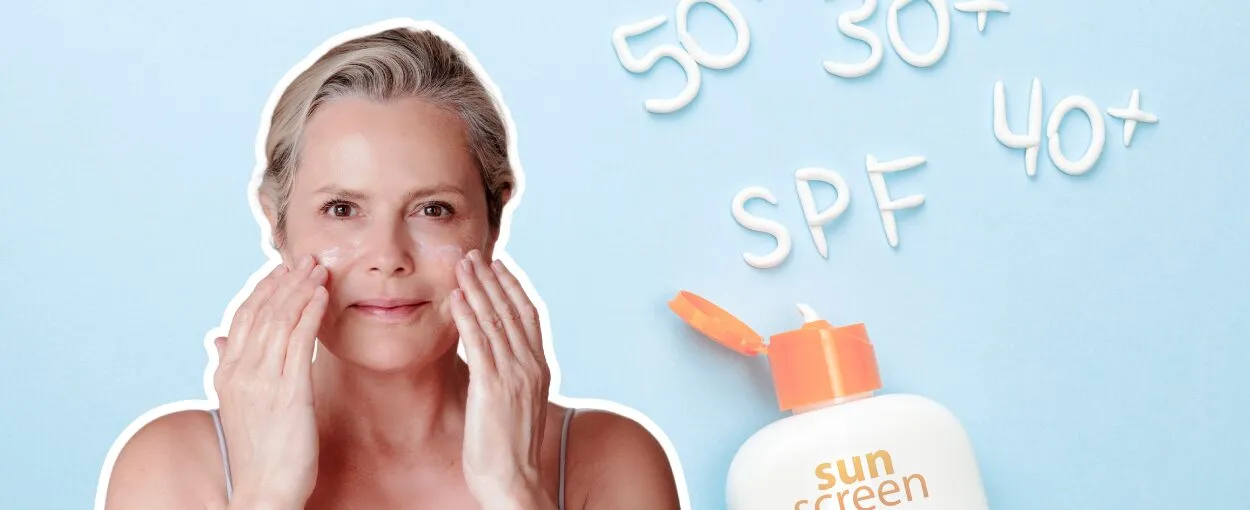
SPF is a useful ally in preventing existing patches from darkening, and in protecting against the inflammation and mitochondrial dysfunction that can occur when skin is overexposed to high UV at the wrong times of day.
“Somebody can spend months trying to improve pigmentation but sit in the sun for a few minutes and that can actually undo all the benefit,” warns Dr Rajpar.
Liz is pragmatic about how she uses it: “I use a high-factor sunscreen when I’m outdoors for any length of time in the middle of the day in strong summer sunshine, especially if there’s no shade. I tend to focus on my face, neck, chest and the backs of my hands – more out of vanity than necessity, as overexposure in these areas can lead to wrinkling, pigmentation and skin thinning.”
In-clinic treatments for hyperpigmentation
For significant pigmentation, professional treatments may deliver faster and more noticeable results than skincare alone. IPL (intense pulsed light), laser treatments and dermatologist-administered chemical peels can all be effective – particularly for sun spots and post-inflammatory marks. Liz has seen excellent results for IPL at the D. Thomas clinic in London.
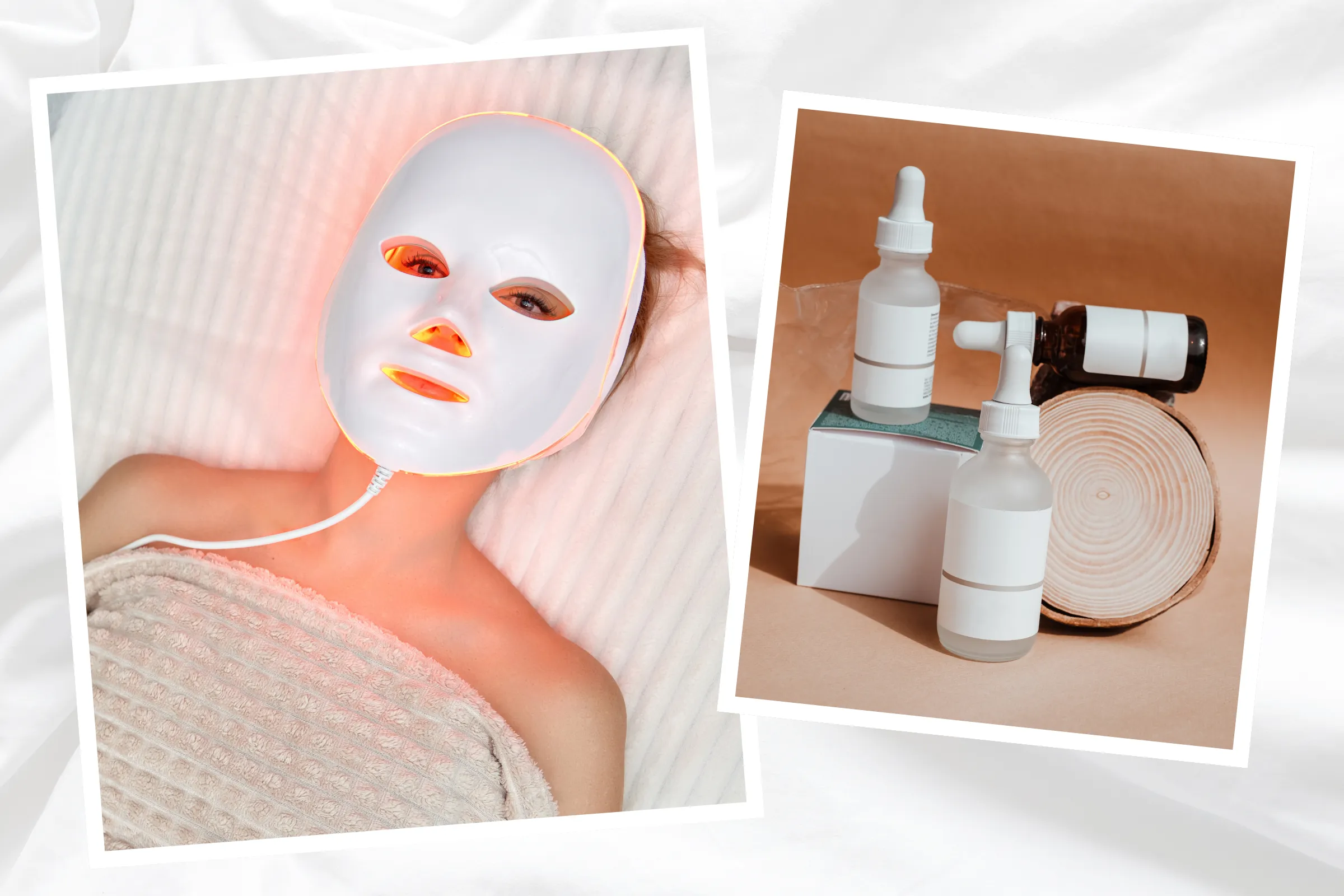
LED therapy is another promising option, and one that goes beyond targeting surface-level pigment to address underlying mitochondrial dysfunction.
By delivering specific wavelengths of light directly to skin cells, research suggests it can stimulate energy production within the mitochondria, helping to restore the cellular conditions that regulate melanin in the first place.
Dr Naranjo recommends the Dermalux Tri-Wave MD, noting that its red and near infrared wavelengths “reduce inflammation and oxidative stress, encourage cellular repair, calm overactive melanocytes and reduce pigmentation without damaging tissue.”
At-home red and near-infrared light panels and masks can deliver a mitochondrial-boosting benefit from the convenience of your home.
The best skincare ingredients for hyperpigmentation
A well-chosen skincare routine can make a real difference over time, and the most effective approach combines two types of ingredient: those that inhibit melanin production, and those that speed up cell turnover to shed pigmented cells already on the surface.
Azelaic acid, vitamin C, niacinamide, liquorice root and alpha-arbutin are well-tolerated melanin inhibitors that can help to block the skin’s pigment producing pathways.
On the renewal side, retinoids – and gentle alternatives such as bakuchiol – accelerate cell turnover to bring fresher, more even-toned skin to the surface, while glycolic acid and salicylic acid exfoliate away pigmented cells directly.
Using an inhibitor and a renewal ingredient together tends to give the best results, and for more stubborn pigmentation a dermatologist can also prescribe stronger options such as hydroquinone, tranexamic acid, tretinoin or cysteamine.
How long does it take to treat hyperpigmentation?
Progress is measured in weeks and months, not days. With consistent skincare, most people begin to see a meaningful difference after 8–12 weeks. Full results can take considerably longer. In-clinic treatments can accelerate this timeline.
It’s also worth adjusting expectations of what ‘treated’ looks like. As Liz reminds us: “I think we need to slightly scale back from this idea that we need to be totally blemish-free, especially as we age. Healthy skin is not the same as flawless skin – it’s skin that is resilient and comfortable.”
Pigmentation is, as the science now suggests, a signal worth taking seriously rather than simply erasing. Addressing it well, from the inside out, is as much about overall skin, cellular and circadian health as it is about appearance.