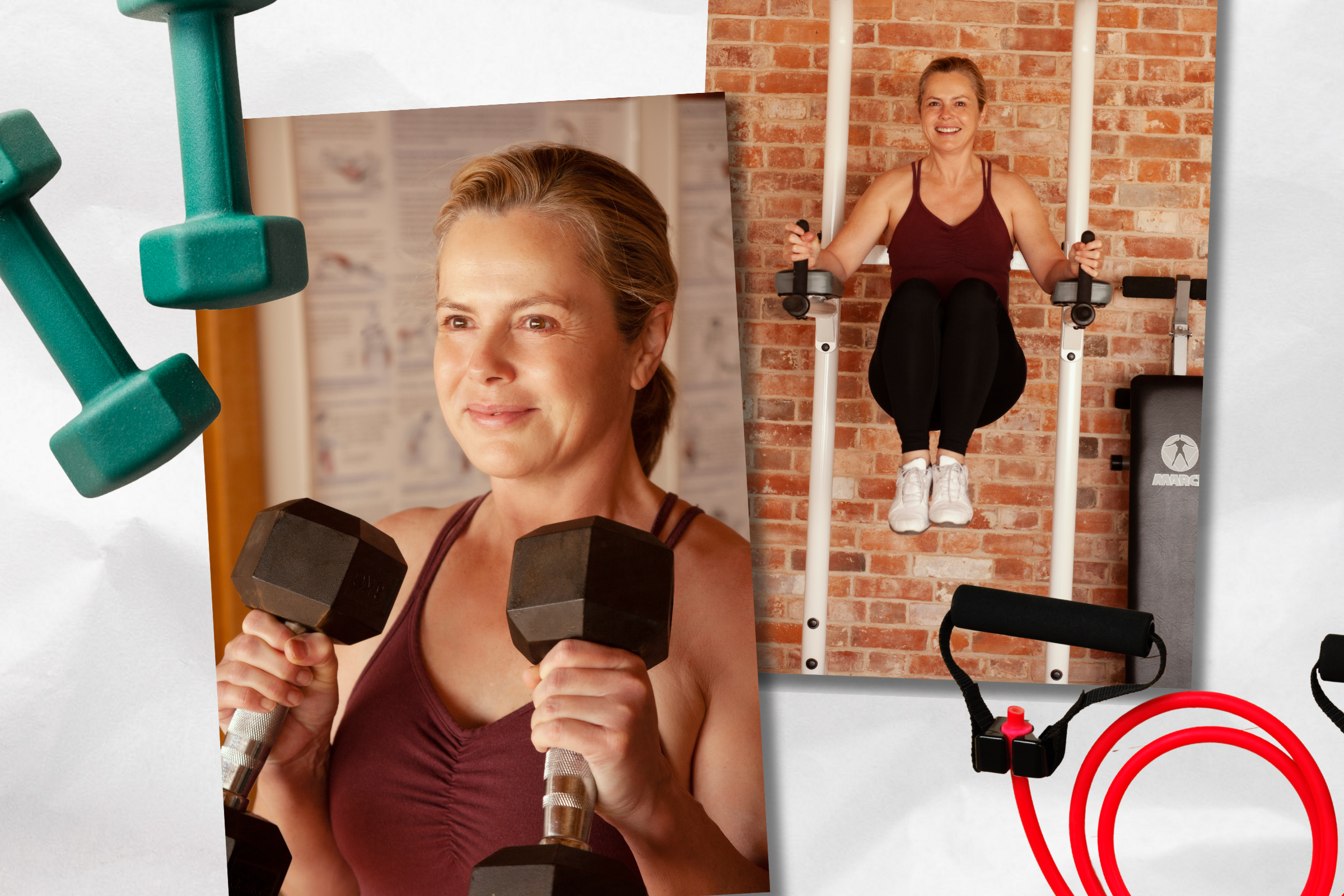


Have you come across NEAT exercise yet? Despite the name, it has nothing to do with keeping a tidy home.
Before we imagine daily gym sessions or intense workouts, NEAT is actually about the simple activities that naturally fit into our day. From walking the dog and gardening to carrying the shopping or doing household chores, these everyday movements all count.
It’s a simple approach to staying active that many of us are already doing without realising, and one that can support our health while helping us tick a few jobs off the to-do list too.
What is NEAT?
NEAT (non-exercise activity thermogenesis) isn’t really a set workout at all. It’s simple activities we can do throughout the day to move more.
“It refers to movements you do naturally throughout the day, rather than prioritising a workout specifically,” says NASM-certified personal trainer, Deborah Luciano. “Everyday activities like walking to the shops, gardening, taking the stairs, walking while on phone calls, or even standing more while working can all contribute to overall activity levels.”
These small bursts of movement may seem insignificant in isolation, but accumulated across a day or week, can have a powerful impact on both our physical and mental wellbeing.
Why is NEAT important?
But understanding what NEAT looks like in practice is only half the story. The real question is why it matters so much for our health.
Without the support of regular movement, other exercise won’t cancel out the negative effects of sitting still for most of the day. In simple terms, this means that taking a HIIT class at the gym won’t erase a full day of sitting at a desk.
We might feel mentally productive with jam-packed diaries, but physically we’re likely to be just moving from chair-to-chair throughout the day. “Recent analysis from wellness app Yoga-Go highlights the impact of inactivity and the importance of both exercise and movement in breaking up sedentary habits,” explains Deborah.
Our bodies respond best to movement breaks, as this supports circulation, blood sugar regulation, and joint mobility. “Even if someone exercises for an hour, sitting for long periods afterwards can still negatively affect metabolic and cardiovascular health,” says Deborah.
And the science backs this up. A review published in the Journal of Exercise Nutrition & Biochemistry found that NEAT is actually the single biggest variable in how many calories we burn each day – more so than any formal workout. The researchers also found that because these activities are unstructured and easy to build in, we’re far more likely to stick to them long-term.
Try it: Oura Ring

This clever wearable provides insights into over 30 biometrics including sleep, heart health and stress levels. Oura Ring quietly and comfortably monitors your health and with up to eight days of battery life. Follow this link for 15% off.
The health benefits of NEAT
A 2025 YouGov survey found that walking is the UK’s favourite way to stay active, with 76% of adults saying it’s their go-to exercise, but how much can these low-impact activities improve our wellbeing?
Regular low-level movement helps improve insulin sensitivity, helping the body regulate blood glucose more effectively. “Over time, better blood sugar control may support blood vessel health and overall cardiovascular function,” explains Deborah.
And the benefits of building more walking into our day could extend far beyond the short term. A review of walking’s impact on healthy ageing found that a brisk 30-minute walk just five days a week is enough to significantly reduce the risk of cardiovascular disease, type 2 diabetes, cognitive decline and even certain cancers.
Researchers also pointed to the lifestyles of people living in Blue Zones – the regions of the world with the highest concentrations of centenarians – where walking and low-intensity daily movement are simply woven into everyday life. And for those looking for a step count to aim for, the research suggests that 8,000 to 10,000 steps a day could substantially reduce the risk of a range of age-related diseases.
But if you’re looking to burn a few extra calories, Deborah says that NEAT raises overall energy expenditure by adding up small, frequent movements across the day. “This means more calories are burned without needing structured exercise alone to create a deficit.”
For multi-disciplinary trainer Tara Riley, walking is wonderful for cardiovascular health, especially for those who are currently leading a sedentary lifestyle. However, she believes we shouldn’t rely on NEAT alone. “While integrating more movement into our day — like walking, taking the stairs, or general daily activity is undeniably positive, it’s important to view it as a complement to, rather than a replacement for, structured exercise.”
Try it: AMP Wellbeing
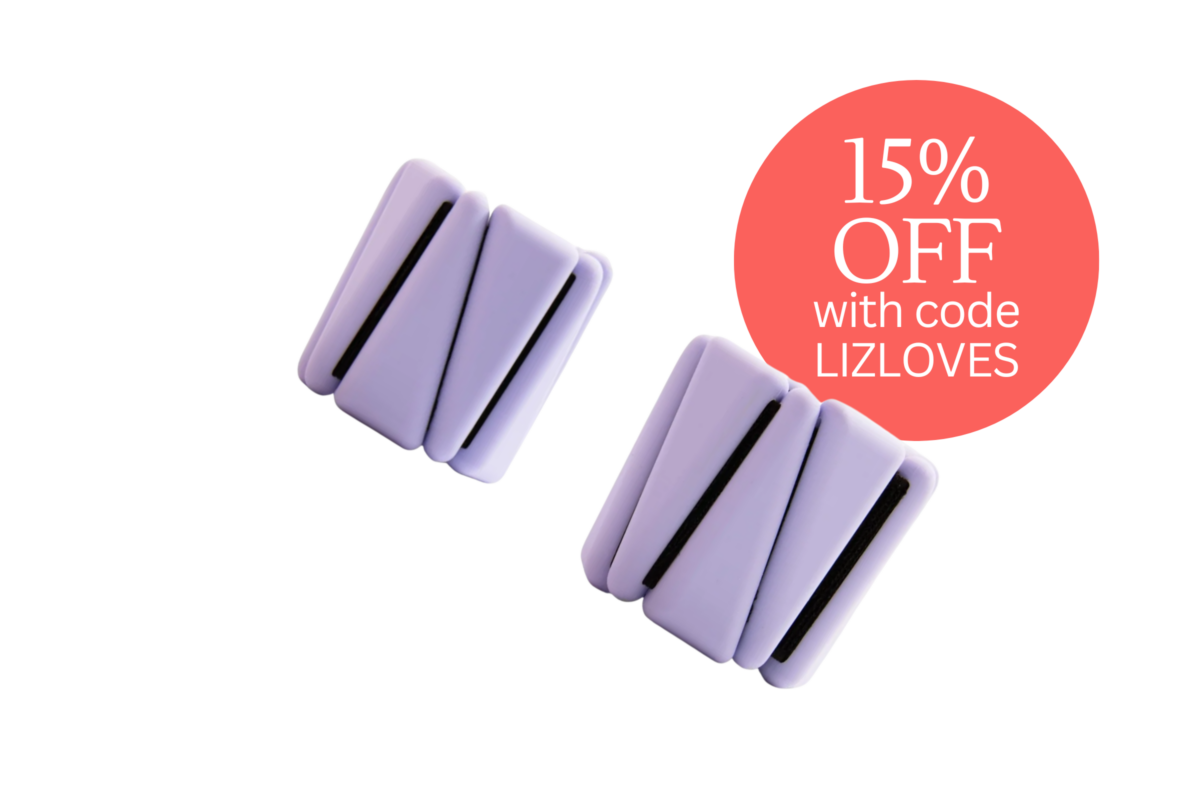
Up the ante in your workouts and in your daily movement with a pair of ankle weights. Save 15% with the code LIZLOVES.
How to fit NEAT into your day
One of the big benefits of NEAT is that it can rumble along in the background of daily life. Activities such as hoovering, changing the duvet and going on a lunchtime walk are built into our daily routines, which means it’s more accessible than working round a structured gym session.
“The key is to stop viewing movement as something that has to be formal or time-consuming,” says Deborah. Building NEAT into your routines is easier than you think. “Walking is one of the most accessible forms of movement, so it’s less about adding something completely new and more about doing it with more intention and consistency.”
Tara adds that while NEAT activities keep our hearts healthy and our blood flowing, a truly balanced approach also needs targeted strength work and resistance training to build muscle mass and support bone density.
“Mobility-focused practices like Pilates or yoga can help maintain a full range of motion and joint health,” she adds. Think of NEAT fitness and structured movement as two different tools that both have a vital place in your wellness toolkit, and make the most of both.
Deborah suggests starting small: “Try doing shorter journeys instead of driving, a post-meal walk and standing up regularly while working.”
The beauty of NEAT is that it meets you exactly where you are. You don’t need a gym membership, new kit or a cleared diary – just a willingness to move a little more intentionally through your day. Whether that’s a quick walk, a dance around the kitchen while the kettle boils, or pruning the garden, every bit of movement adds up. And if the centenarians of the Blue Zones have taught us anything, it’s that a long, healthy life isn’t built in the gym, it’s built in the everyday.
Try it: Recharge Running Shoe

Maintain an anti-inflammatory connection to the earth while out running, walking the dog or pottering around the garden with these Liz-approved grounding running shoes from bahé. Save 10% with LIZLOVES.
Please note, on some occasions, we earn revenue if you click the links and buy the products, but we never allow this to bias our coverage and always honestly review. For more information please read our Affiliate Policy.