
Sluggish digestion? Energy crash at 3pm? Struggling to lose weight? There could be a surprisingly simple solution. Celebrity chef and broadcaster Hugh Fearnley-Whittingstall tells Liz how supporting our gut with more fibre could be one of the most impactful changes we make to our health.
They discuss how over 90% of the population are not getting the recommended amount of fibre and why it’s increasing our risk of disease.
Hugh also shares tips for reducing the discomfort and bloating often experienced when eating fibrous foods, plus easy ways to add more fibre to our day.
Stream the episode below, or download the recording via Apple Podcasts or Spotify.
Why fibre matters in midlife (and 4 ways to boost your intake)
If you’re struggling with low mood, slow digestion, a lack of energy and stubborn extra weight that won’t shift, you might think perimenopause is to blame. But it’s also worth looking at your diet.
Fibre plays a crucial role in feeding the beneficial bacteria in our gut, helping to support everything from digestion and immunity to mood and inflammation. And yet, as Hugh explains, over 90% of us aren’t getting enough, and it’s having a real impact on our health.
But making a few small changes to how we eat can transform our gut bacteria – and make a big difference to how we feel. “One of the things we absolutely know creates optimum conditions for our gut flora to thrive is a high-fibre diet,” he says. Here are four simple ways to boost your intake.
Start small to beat the bloat
If your current diet is low in fibre, now’s not the time to start adding lentils to every meal. “Don’t go from fibre zero to fibre hero in one day,” advises Hugh. Add one or two fibre-rich meals a week and build up gradually to help avoid bloating. Keeping yourself hydrated throughout the day will also help.
Aim for diversity, not perfection
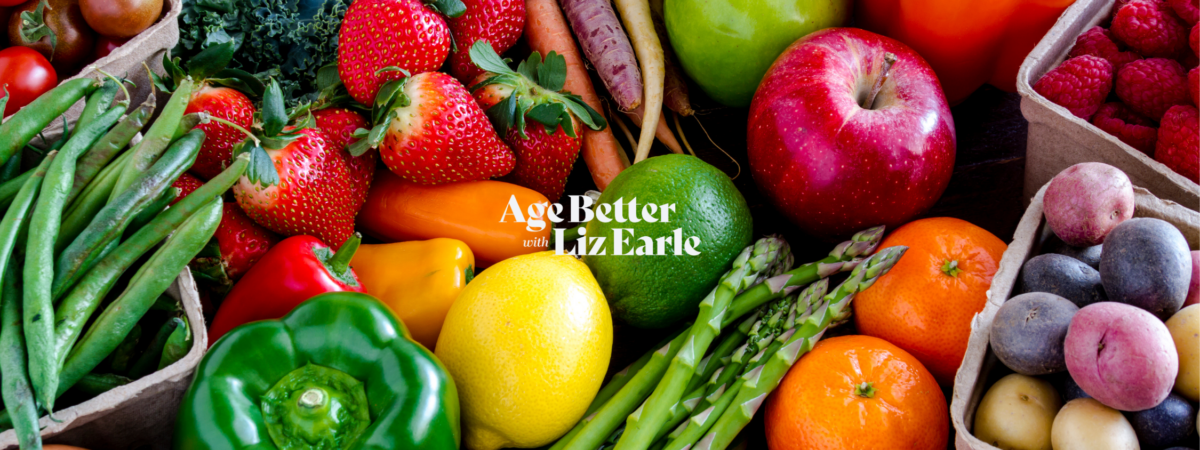
Different plants feed different gut microbes, so mix it up. Leafy greens, root veg, beans, whole grains, nuts and seeds all count. It’s not about making things complicated but adding more diversity and fibre-rich plant foods in a way that feels realistic.
Make veg the main event
Instead of treating vegetables as an afterthought, give them centre stage. Roast them, spice them, layer them into dishes. “Make them the heroes of the dishes, not just the bit next to the meat,” says Hugh, who recommends adding ‘flavour bombs’ to your veg such as toasted nuts and seeds with added tamari or soya sauce.
Use easy cupboard staples
The real fibre heroes are already in your kitchen. “Tinned beans are such an easy way to add fibre and goodness to any sort of pasta sauce, curry or stew,” says Hugh. As well as being budget-friendly and minimally processed, beans, lentils, frozen peas and spinach are quick wins.
It might be a small shift, but adding more fibre to your diet could be one of the most powerful tools for ageing well. “Our choices – particularly to eat more fresh vegetables and whole foods generally – have the potential to make such a phenomenal difference to our health,” says Hugh.
Also in this episode:
- How a lack of gut diversity is increasing our risk of disease
- Hugh welcomes a delivery of goats!
- Tips for making veg more interesting
- How to cope with gas and bloating
- Cheap and easy ways to add fibre to meals
More from Hugh:
Get in touch with a question for Liz:
- Email: [email protected]
- WhatsApp: 07518 471 846
More from Liz:
- Order Liz’s new book – How to Age
- A Better Second Half
- Follow Liz on Instagram
- Follow Liz Earle Wellbeing on Instagram
Some links may be affiliate links, which help support the show at no extra cost to you. Read our Affiliate Policy for more information.