Liz is asked about her supplements more than almost anything else. Here’s what she takes now, what she considers essential and which are more tailored to her personalised needs.
What supplements does Liz Earle take?
Liz sorts her supplements into four categories: the non-negotiables she takes every day, the nice-to-haves, the high-tech longevity supplements and those that she cycles based on more personalised needs.
As Liz says, “This is a very nuanced discussion. You can’t just say, oh, here’s your list, go and take it, because there are lots of considerations here.” What suits her in her 60s may not suit you, so use this as a starting point, not a shopping list.
Always check with your GP or pharmacist before starting a new supplement, especially if you take prescribed medication. Some supplements interact with medicines, and some should be stopped before surgery.
Liz’s non-negotiable supplements
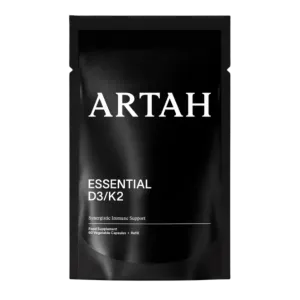
Vitamin D3 with K2
Liz takes vitamin D3 with K2 because the two work together – vitamin D helps the body absorb calcium, and K2 helps direct it to the bones.
Magnesium
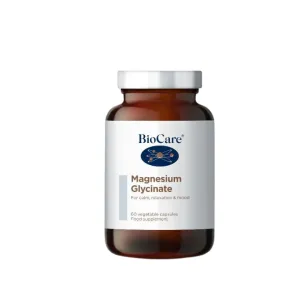
Magnesium is involved in hundreds of processes in the body, and Liz believes deficiency is common in the UK. She takes hers in the evening before bed, as magnesium glycinate particularly can help the nervous system switch off and wind down.
Magnesium Glycinate
Omega-3
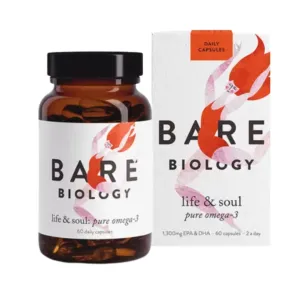
Liz considers omega-3s (EPA and DHA) non-negotiable – unless you’re eating plenty of oily fish. “If you love sardines and you’re having mackerel on toast three times a week, then maybe you don’t need to splash out on an omega-3 supplement.” Quality matters, so look for brands that test for heavy metals and rancidity.
Bare Biology Omega-3 Fish Oil
Liz’s nice-to-have supplements
Creatine
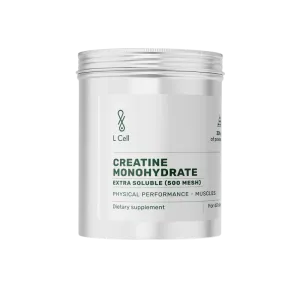
Liz thinks creatine is “definitely something that is worth taking” as it helps our muscles produce energy, and alongside strength training it can help maintain muscle and strength as we age – with promising early research into brain health and mood, too.
Creatine Monohydrate Powder
Collagen
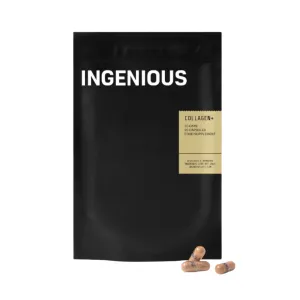
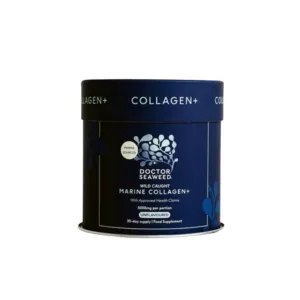
Liz takes collagen capsules and tops them up with a spoonful of collagen powder in her morning coffee, or in an afternoon tea if she’s feeling hungry. “It just helps to fill you up and does give you a nice little hit of protein”– around five or six grams a spoonful. “My skin, hair and nails do look better, I think, for taking collagen consistently. So whatever the naysayers say… you’ve got to do what works for you.”
Collagen+
Electrolytes
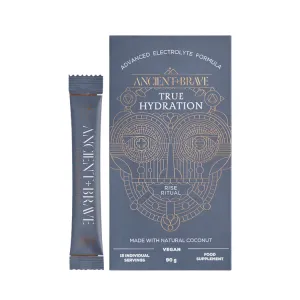
Liz starts every morning with electrolytes in a glass of water. Electrolytes such as sodium, potassium and magnesium help carry electrical signals around the body, and Liz finds they give her “a little bit of an energy shot” when she needs it most.
True Hydration Electrolyte Sachets
A multivitamin
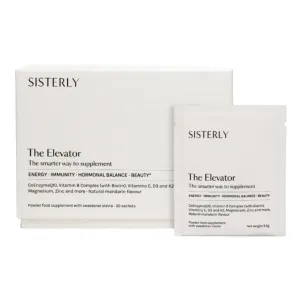
A good quality multivitamin is a useful nutritional safety net, covering the gaps that even a healthy diet can leave, especially when we’re busy juggling all the things. Look for high-quality formulas with bioavailable ingredients that your body absorbs easier, in meaningful doses that actually make a difference.
Probiotics
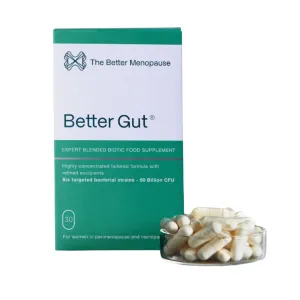
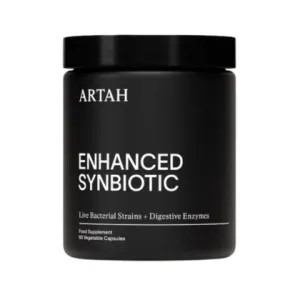
Liz cycles through different probiotics to expose her gut to a wide variety of bacteria. Her favourites include Better Gut and Enhanced Synbiotic.
Coffee add-ins: MCT oil and shilajit
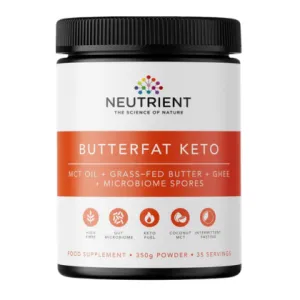
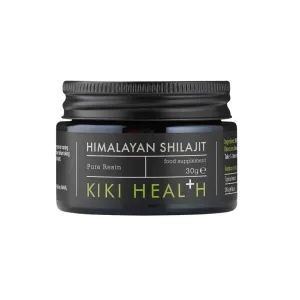
As well as collagen, Liz adds MCT oil and shilajit to her coffee for energy and brain health, as well as additional minerals and antioxidants respectively.
Supplements based on personal needs
Beyond the basics, what you need depends on your diet, health, medication and time of year. These are the ones Liz considers depending on what’s going on for her – and suggests you look at too.
Iodine
Liz says iodine is one we’re very often low in. It’s found in plain white fish and dairy, so if you don’t eat much of either – or you’ve switched to plant milks – you could be at risk of falling short. Liz takes a seaweed supplement to keep levels topped up.
Glutathione
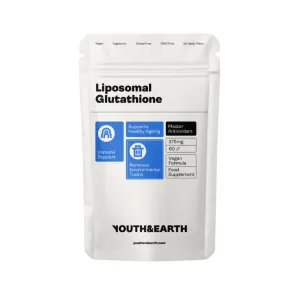
Glutathione is often called the body’s master antioxidant. A genetic test showed Liz doesn’t convert antioxidants into glutathione well. When she started taking liposomal glutathione, “my energy levels shot up. I hadn’t realised actually how much better I could be.” She’s clear that won’t be true for everyone – but if you suspect low glutathione is behind low energy, she suggests trying it for a month, in liposomal form for better absorption.
Immune support
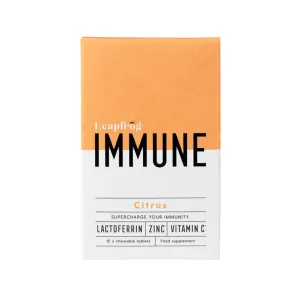
In winter, Liz takes lactoferrin with zinc to support her immune system. She’s currently trialling a colostrum supplement for the same reason.
Read Should we be supplementing colostrum in midlife?
Vitamin B12
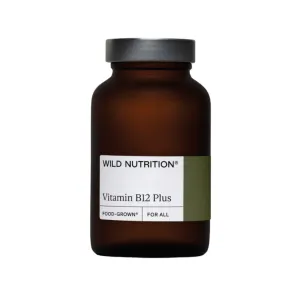
A B12 supplement supports a healthy nervous system and energy release. Mostly found in meat, fish and dairy products, it’s especially important if you eat a mostly plant-based diet.
Iron
Worth checking if your energy is low and you don’t eat much red meat. Iron from plants isn’t absorbed as easily as the haem iron in meat – one reason Liz eats “a steak or two every week”.
Glucosamine for joints
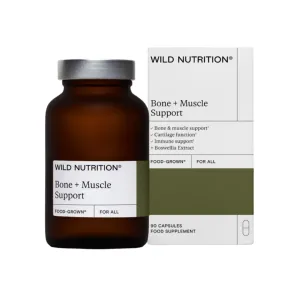
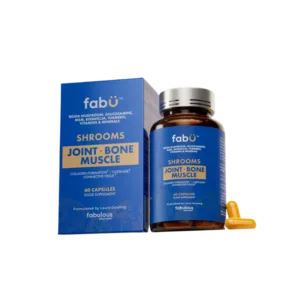
Stiff, creaky joints can be frustrating, especially when you’re trying to remain active. Liz takes nutrients such as glucosamine and chondroitin to support joint mobility.
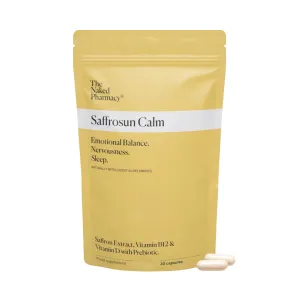
Saffron for mood
Liz has long taken a saffron supplement, which can help lift your mood and support anxiety. She has also given it to family and friends.
Liz’s longevity supplements
“This is where I can geek out because I just love all this new research,” says Liz.
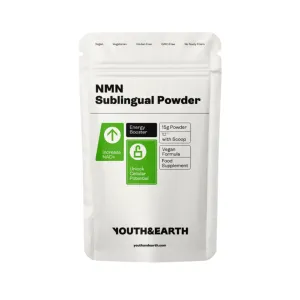
NMN
NMN is a building block of NAD+, a molecule involved in cellular energy that declines as we age. She takes a daily spoonful of sublingual powder.
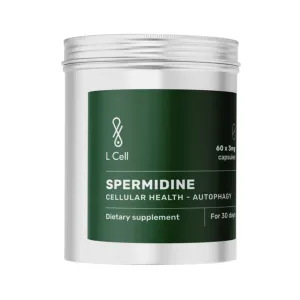
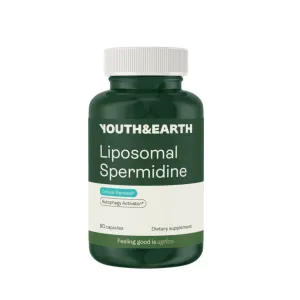
Spermidine
Liz takes spermidine for its role in autophagy – the body’s way of clearing out old and damaged cells, usually triggered by fasting. “I certainly feel better for it,” she says.
Spermidine Capsules
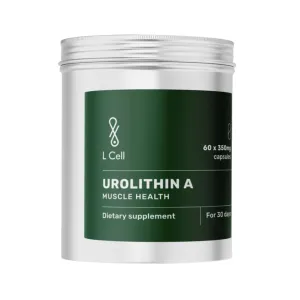
Urolithin A
Liz started taking urolithin A regularly in the last year. Early research links it to energy and muscle health, “and those are two things I think as older women we need to be aware of.” The body makes it from compounds found in foods such as pomegranates, but getting enough from diet alone isn’t practical, and not everyone makes it in the same amounts.
Urolithin A Capsules
Find out more
Liz covers supplements in much more detail in her book How to Age and on the Age Better podcast.
Please note, on some occasions, we earn revenue if you click the links and buy the products, but we never allow this to bias our coverage and always honestly review. For more information please read our Affiliate Policy.