
Nutritionist Louise Pyne reveals the everyday foods that can help to support this hard-working organ.
When it comes to ageing well, we often think about strengthening our muscles, protecting our brains and looking after our hearts. But there’s one vital organ that rarely gets the attention it deserves: the liver.
Working around the clock, the liver performs more than 500 essential functions to keep the body running smoothly. It filters toxins from the bloodstream, produces bile to aid digestion, helps regulate blood sugar levels and makes proteins that are crucial for everything from blood clotting to immune function.
In short, it’s one of the hardest-working organs in the body – and a healthy liver is fundamental to overall wellbeing.
An organ like no other
One of the liver’s most remarkable abilities is its capacity to regenerate. Unlike most organs, it can repair and replace damaged tissue throughout life.
The good news is that it’s never too late to start looking after your liver, and your diet is one of the best places to begin.
6 of the best foods to support liver health
Coffee
Coffee does more than just wake us up in the morning.
Rich in antioxidant and anti-inflammatory compounds, coffee has been linked to better liver function and a lower risk of liver disease. Research suggests that drinking at least two cups a day is associated with improvements in liver enzymes, especially in people with a higher risk of liver problems.
One drink worth going easy on, however, is orange juice.
While it may sound like a healthy breakfast staple, it’s not nutritionally the same as eating a whole orange. Juicing concentrates the fruit’s natural sugars and removes much of the fibre that helps slow their absorption. Some supermarket varieties also contain added sugars.
Higher intakes of sugary drinks – including fruit juice – have been associated with increased liver fat and a greater risk of non-alcoholic fatty liver disease.
Homemade curry
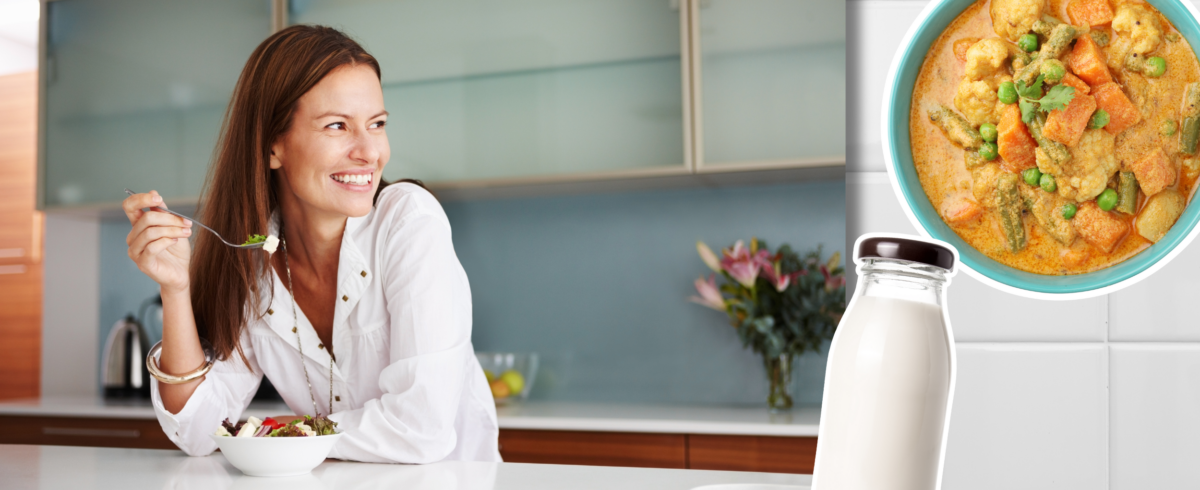
A homemade curry is one of the easiest one-pot meals that delivers on both flavour and function.
Don’t hold back on the spices, either. Chilli contains a compound called capsaicin, which research suggests may help reduce fat build-up in the liver while lowering oxidative stress – a key driver of liver damage.
Unfortunately, the same benefits don’t necessarily apply to many takeaway curries. Depending on the dish, these can be high in refined oils and trans fats, all of which may place additional strain on the liver over time.
Making your own gives you control over the ingredients – and often tastes better, too.
Fibre-rich snacks
If you’re looking for an easy liver-supporting habit, switch up your snacks.
Many foods marketed as healthy can be surprisingly low in fibre. Rice cakes are a good example as they’re typically lacking in fibre and loaded with refined carbohydrates, which can send us on a blood sugar rollercoaster.
Instead, opt for snacks that combine fibre with protein or healthy fats. Wholegrain oatcakes topped with nut butter or hummus are a great option, as are vegetable crudités with a protein-rich dip.
Fibre helps support healthy blood sugar balance, helping to reduce fat build-up in the liver.
Kefir
When it comes to dairy products, not all are made equal.
Fat-free yoghurts may seem like a go-to when it comes to managing our weight, but some brands make up for reduced fat (and therefore flavour) with added sugars and sweeteners. Full-fat, natural versions are often a better option, helping to keep you fuller for longer and reducing the amount of sugar.
Kefir deserves a special mention, too.
This fermented dairy drink is packed with beneficial bacteria that help support a healthy gut microbiome. This is good news for the liver too. Emerging research suggests that gut and liver health are closely connected. A healthier microbiome may help reduce inflammation and support better metabolic function.
Choose plain kefir without added sugars to maximise the benefits.
Olive oil
For years, margarine spreads were promoted as the healthier alternative to butter. Today, the picture looks a little different.
Depending on the product, some spreads contain refined vegetable oils, emulsifiers and other additives designed to improve texture and shelf life – they’re ultra-processed. Diets that are high in ultra-processed foods are increasingly being linked to poorer metabolic health and an increased risk of non-alcoholic fatty liver disease.
A simple swap is extra virgin olive oil.
A cornerstone of the Mediterranean diet, it’s rich in heart-healthy monounsaturated fats and protective plant compounds that may help reduce inflammation and support healthy liver function.
For maximum benefit, choose cold-pressed extra virgin olive oil in a dark glass bottle, which helps protect its delicate antioxidants from light and heat.
Dark chocolate
Good news – chocolate is still on the menu!
The key is choosing dark chocolate over milk or white varieties, which tend to contain more sugar and fewer beneficial plant compounds. White chocolate contains no cocoa solids at all.
Aim for dark chocolate with at least 70% cocoa solids that are rich in antioxidant polyphenols.
Research suggests that polyphenols, may help to support blood flow – including to your liver. This keeps the liver in good supply of fresh oxygen and nutrients, so it can repair itself and carry on its important work filtering out toxins, rather than becoming sluggish or inflamed.
Louise Pyne is a registered nutritionist specialising in women’s health. Find out more at louisepynenutrition.com or follow her on Instagram @loulou_nutrition.