

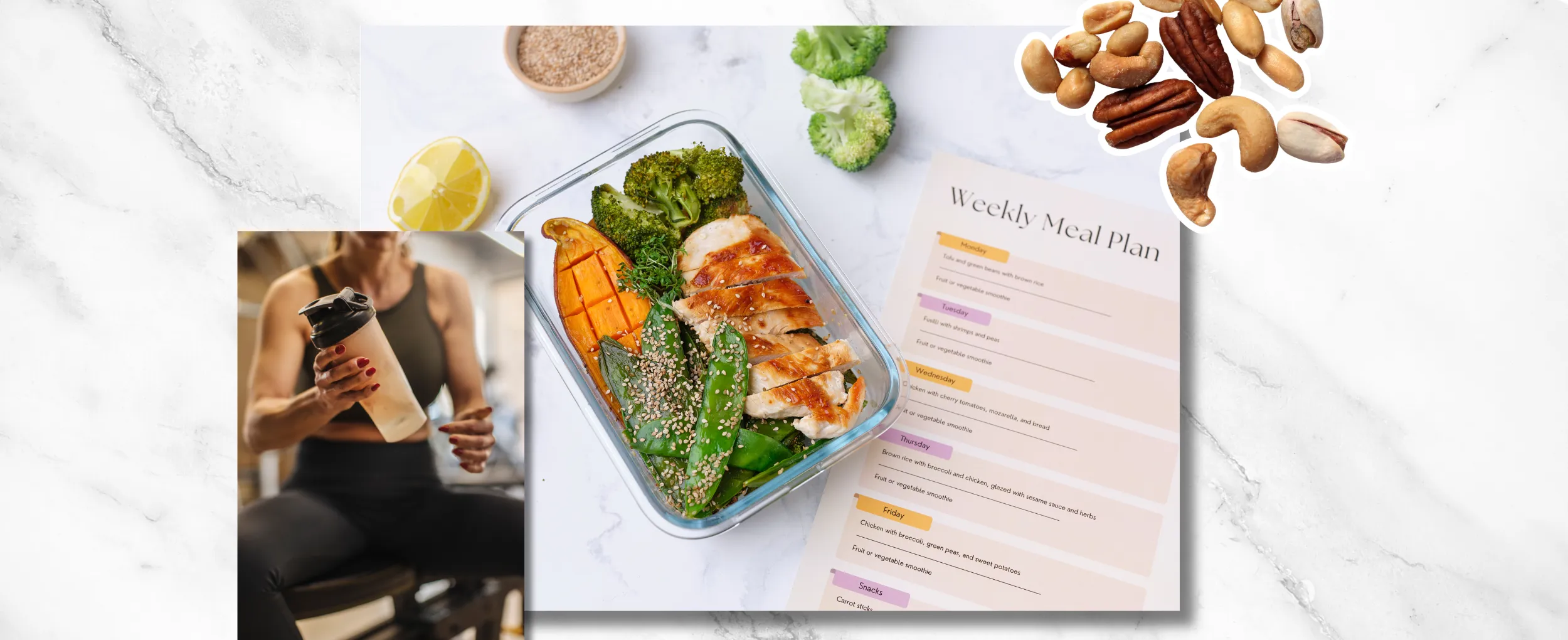
Protein is one of the most talked-about nutrients, with recommendations that we aim for around 25-30g of protein at each meal. But what does that actually look like and, perhaps more importantly, can we really achieve it? Here, nutritionist Imogen Schels explains what you need to know…
If there’s one nutrient that I see regularly causing confusion, it’s protein.
Some people worry they’re not getting enough. Others assume they’re eating plenty, and then there are those who’ve heard they should be aiming for around 30g of protein at each meal, but have no idea what that looks like on a plate.
The truth is, there’s no one-size-fits-all answer because protein needs vary from person to person, depending on your activity levels and life stage.
That said, having a rough idea of what 30g of protein looks like can be incredibly helpful. Not because everyone needs to hit that exact number, but because it gives you a practical benchmark when you’re building meals.
Why protein matters
Protein plays an important role throughout life, but it becomes particularly important in midlife and beyond. Alongside regular resistance training, eating enough protein helps us to maintain muscle mass, which naturally declines with age—especially during perimenopause and menopause, when hormonal changes accelerate this process.
This is important because muscle isn’t just important for strength. It supports balance, mobility, bone health and staying active and independent as we get older. Protein also plays an important role in tissue repair, immune function and helping us feel fuller and more satisfied after meals. Rather than thinking of protein as something that’s only important if you’re trying to build muscle, it’s helpful to think of it as one of the building blocks of long-term health.
Do we all need 30g?
The current UK recommendation for healthy adults is around 0.75g of protein per kilogram of body weight each day. For a woman weighing 60kg, that’s around 45g of protein a day. However, this recommendation is designed to prevent deficiency rather than represent the ideal intake for everyone.
Research suggests that our protein needs don’t necessarily stay the same throughout life. Some people may benefit from a higher intake, including those who are physically active, regularly do strength training, or are recovering from illness or injury.
This is one reason you’ll often hear experts talking about aiming for around 25–30g of protein per meal. It’s not a target everyone has to reach, but rather a useful rule of thumb that can help spread protein more evenly across the day. I suggest thinking of it as a guide rather than a goal.
It’s not just about how much you eat…
One thing I notice quite often is that people don’t necessarily eat too little protein overall—instead they tend to load more protein into evening meals and have less earlier in the day. Breakfast might be toast, lunch a salad, and then dinner becomes the main carrier for protein.
Including a good source of protein at each meal (around that magic 30g mark) is a great way to ensure your intake more evenly across the day. What’s more, having protein earlier in the day can have a significant impact on energy levels and even sleep.
A note on complete vs incomplete proteins
You may also have heard people talk about complete and incomplete proteins.
Complete proteins contain all nine essential amino acids that our bodies can’t make themselves. These include meat, poultry, fish, eggs, dairy and whole-food soy sources such as tofu and edamame.
Incomplete proteins, however, are missing (or are lower in) one or more of these amino acids. Foods such as beans, lentils, wholegrains, nuts and seeds fall into this category, but they’re still nutritional powerhouses and can make an important contribution to your overall protein intake.
Combining different plant proteins—for example, beans with rice, hummus with wholegrain pitta, or peanut butter on wholegrain toast—can help provide all the essential amino acids. While that’s true, you don’t need to worry about combining them perfectly at every meal. The key is simply eating a varied, ideally whole-food diet across the day. Do that, and you’ll almost certainly get the amino acids your body needs.
How to build a 30g protein meal
Cooked chicken breast
- Protein: ~30g per 100g cooked
- Complete protein
A chicken breast is probably one of the easiest ways to reach around 30g of protein in one sitting. Slice it over a salad, add it to a wrap or serve it with roasted vegetables and new potatoes for a balanced meal.
Baked salmon
- Protein: ~34g per 150g fillet
- Complete protein
Salmon provides plenty of protein alongside omega-3 fats, which support heart and brain health. Serve with potatoes or wholegrains and plenty of colourful vegetables.
Greek yoghurt (5%)
- Protein: ~9g per 150g pot
- Complete protein
Greek yoghurt is a popular breakfast staple and easy protein to build upon. Top it with oats, mixed nuts and seeds and you’ll have a breakfast that’s close to the 30g mark.
Eggs
- Protein: ~7g per large egg
- Complete protein
Eggs are incredibly versatile. Combined with salmon, cottage cheese and delicious herbs you can make a quick and easy, protein-packed omelette for any time of day.
Cottage cheese
- Protein: ~9g per 100g
- Complete protein
Cottage cheese has enjoyed something of a revival recently, and for good reason. Spoon it generously onto sourdough, and top with seeds, herbs, tomatoes and olive oil or add two boiled eggs for a real protein hit.
Tofu
- Protein: ~18–20g per 200g
- Complete protein
One of the few plant foods that’s a complete protein, tofu works brilliantly in stir-fries, curries and salads. Pair it with wholegrains and vegetables for a satisfying meal and top up the protein total with some edamame beans.
Lentils
- Protein: ~16g per 200g cooked
- Incomplete protein
Lentils are rich in both protein and fibre. Pair them with Greek yoghurt, feta, or grilled chicken for a protein-rich meal, or combine them with wholegrains and seeds for a tasty plant-based option.
Pumpkin seeds
- Protein: ~8g per 30g handful
- Incomplete protein
Don’t underestimate the contribution that nuts and seeds can make—they might be small, but they’re mighty! Pumpkin seeds add protein, healthy fats and magnesium to breakfasts, salads and soups. Scatter them over Greek yoghurt or porridge, sprinkle them onto salads, or add them to homemade granola to give meals an extra protein boost.
Edamame
- Protein: ~17g per 150g
- Complete protein
Edamame beans are one of my favourite plant-based protein sources. Add them to stir-fries, noodle dishes or salads, or serve them alongside tofu, chicken or salmon to create a balanced meal containing around 30g of protein.
In a nutshell
Eating enough protein doesn’t have to mean supplementing with powders (though these can be helpful) or eating huge amounts of meat.
The key is making sure we’re including a good source of protein at each meal and spreading it across the day, rather than saving it all for dinner.
And remember, 30g isn’t a magic number. It’s simply a practical guide that can help you visualise what a protein-rich meal might look like. Once you have that picture in your mind, building balanced meals becomes much easier.
Imogen Schels is a registered nutritionist (ANutr) and founder of Elia Nutrition. She specialises in women’s health, with a particular interest in hormones, fertility and healthy ageing, and is passionate about helping women feel their best through practical, evidence-based nutrition. Follow her on Instagram at @elianutritionuk.