
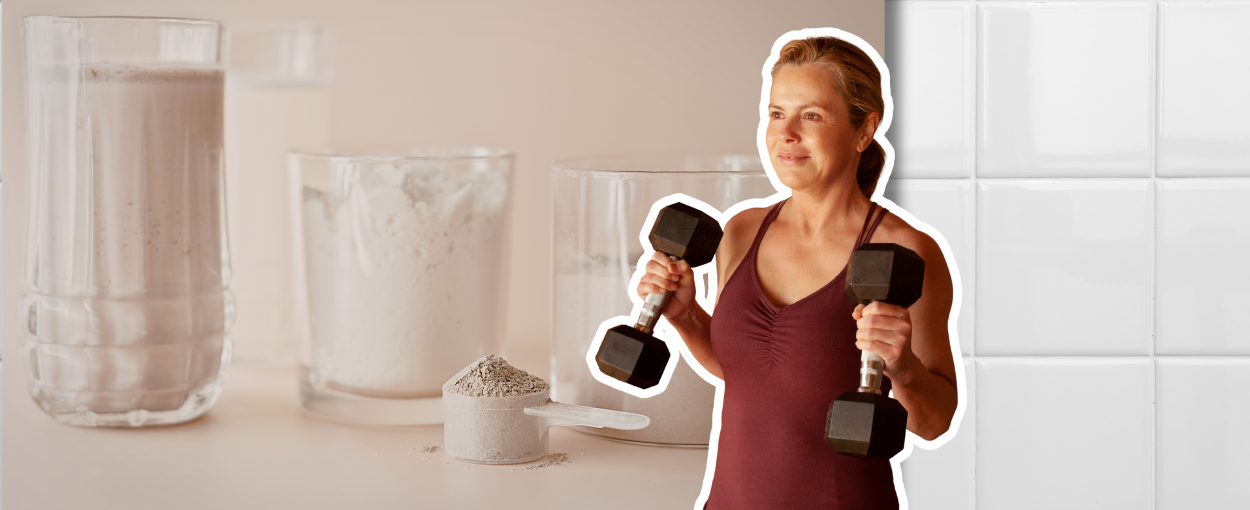
Protein powders are becoming increasingly popular. No longer just a staple for gym goers, they’re also a regular in many kitchen cupboards. But are they actually necessary, particularly for women in midlife?
Here, Liz shares her thoughts on protein powders, and reveals her tips for choosing a good-quality brand.
Why protein becomes more important in midlife
Maintaining muscle mass becomes increasingly important as we age. Strength training can help preserve lean muscle and support metabolic health, but we also need to ensure we’re getting enough protein in our diet.
For some people, protein powders can offer a convenient way to up levels, especially around exercise.
“In the morning, I get up, have my electrolytes, maybe a bit of coffee with some MCT oil, maybe a boiled egg, then head into the gym,” says Liz. “Within an hour of doing my gym session, I’ll have a protein shake. That’s when I will add in protein powders. I find it works really well for me.”
Are protein powders ultra-processed?
One concern surrounding protein powders is whether they fall into the category of ultra-processed foods.
While they are processed to some degree, it is possible to choose products with simple, clean ingredients.
“Be very careful of the type of protein powders that you use,” says Liz. “You want to buy ones that are literally pure protein and don’t contain lots of emulsifiers and sweeteners and additives.”
What are the different types of protein powder?
There are several different types of protein powders available, each with slightly different benefits.
- Whey protein: one of the most widely used options and is often relatively affordable. Because it’s rapidly absorbed, it’s particularly popular for helping to build muscle after workouts.
- Casein protein: digests more slowly. This slower release can help support satiety and may help you feel fuller for longer.
- Plant-based options: such as pea protein and rice protein are also available, particularly for those following plant-based diets. Pay attention to where plant proteins are sourced, as pesticide residues can sometimes be a concern.
Liz also likes bone broth powder, which is derived from animal bones and provides a full spectrum of amino acids.
When is the best time to take protein powder?
Timing can be key when it comes to getting the most out of a protein powder.
Some experts suggest consuming protein shortly before or after a workout to help support muscle repair and growth. Liz often follows a routine where she eats a little protein before exercising and then tops up afterwards.
There is also some emerging discussion around taking protein before bed, as this may support overnight muscle repair while the body rests.
So, do you need a protein powder?
Protein powders aren’t essential if you’re able to meet your protein needs through whole foods such as eggs, fish, meat, dairy, legumes and nuts.
But for many people – particularly those exercising regularly or looking to support muscle health in midlife – they can be a useful and convenient addition.
The most important thing is choosing a high-quality product with minimal additives and using it as part of a balanced, nutrient-rich diet.
Our pick of the best protein powders
Ancient + Brave Brave Ancestral Protein
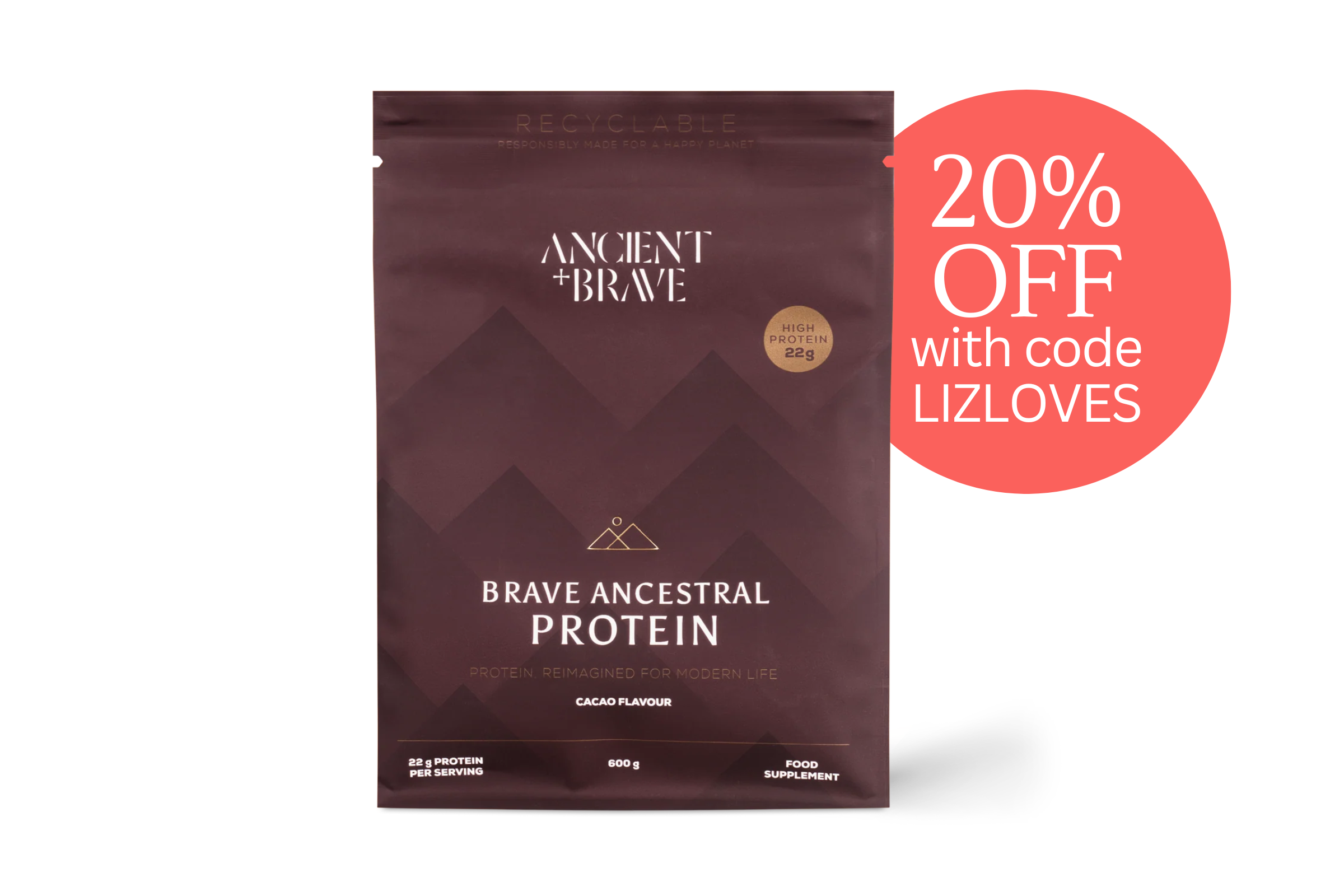
A complete protein blend combining grass-fed beef protein isolate with collagen peptides, freeze-dried liver and kidney, methylated B-vitamins and cacao – delivering 22g protein per serving to support strength, energy and whole-body vitality.
Wild Nutrition Food-Grown® Organic Protein + Superfood Powder
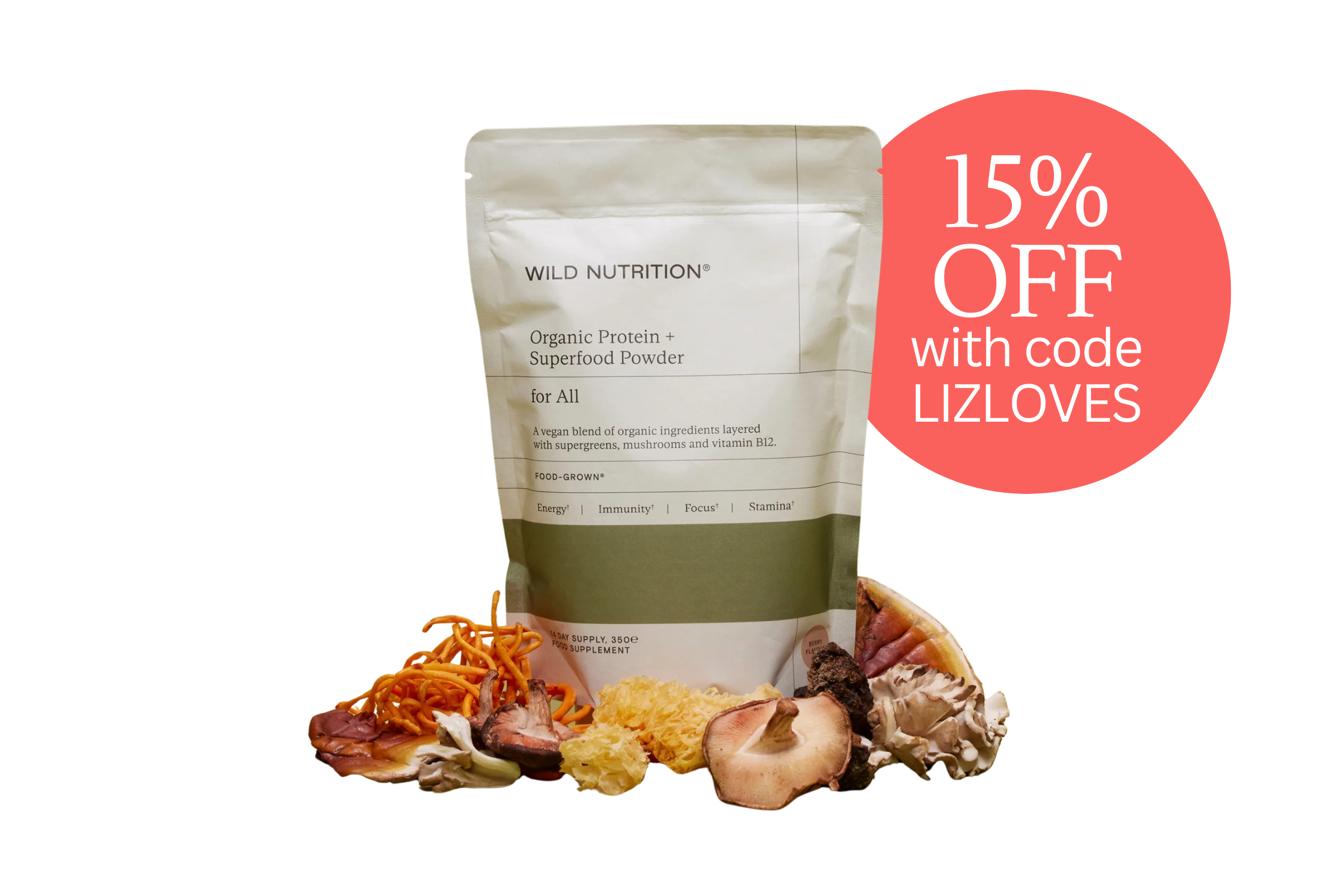
A plant-based protein powder of super greens and functional mushrooms. Supports muscle mass, energy and psychological function.
Ancient Nutrition Bone Broth Protein
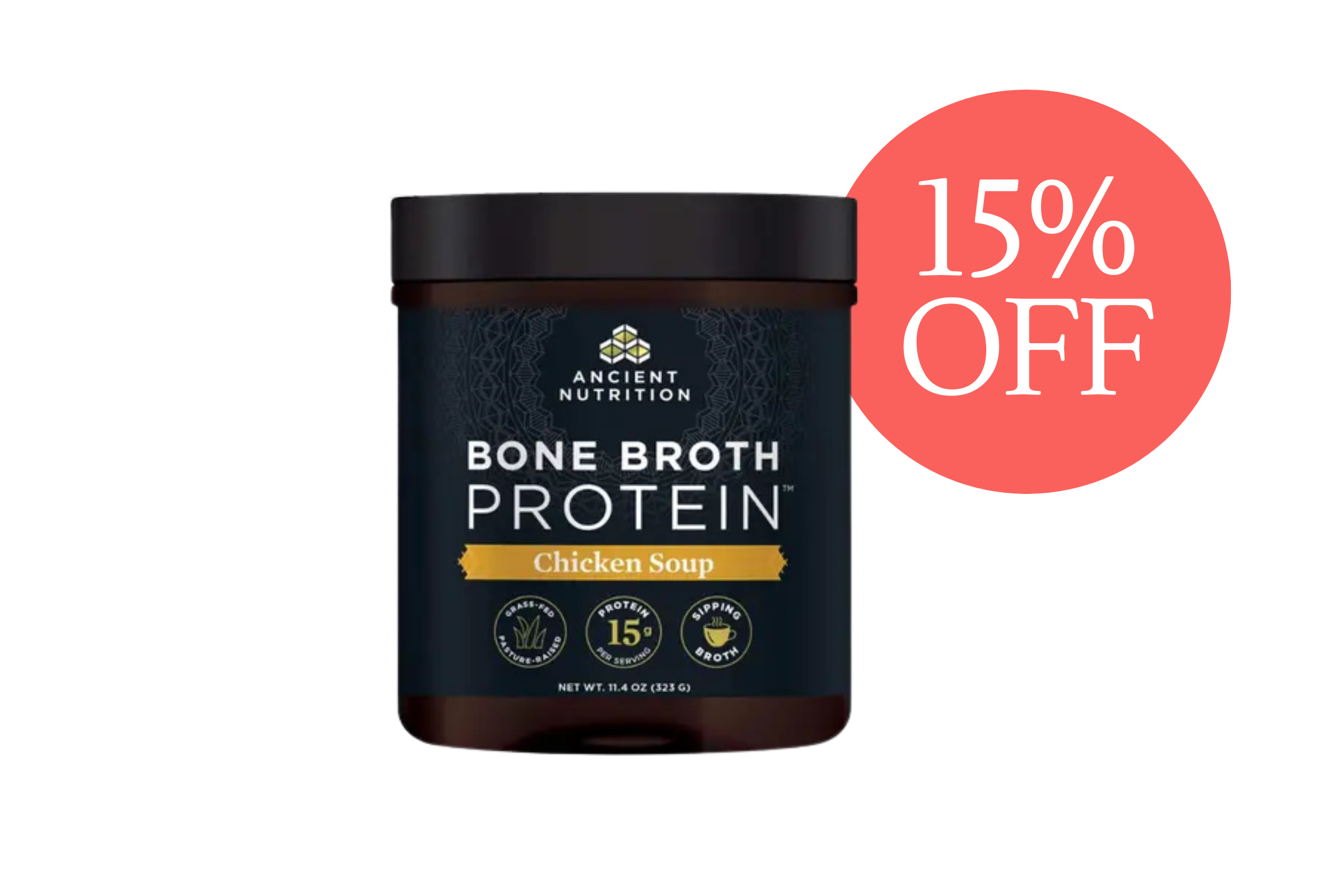
Crafted from grass-fed beef and non-GMO chicken, this blend brings together the goodness of bone broth with a savoury mix of organic vegetables and herbs, including tomato, carrot, garlic, turmeric, rosemary, and thyme.