
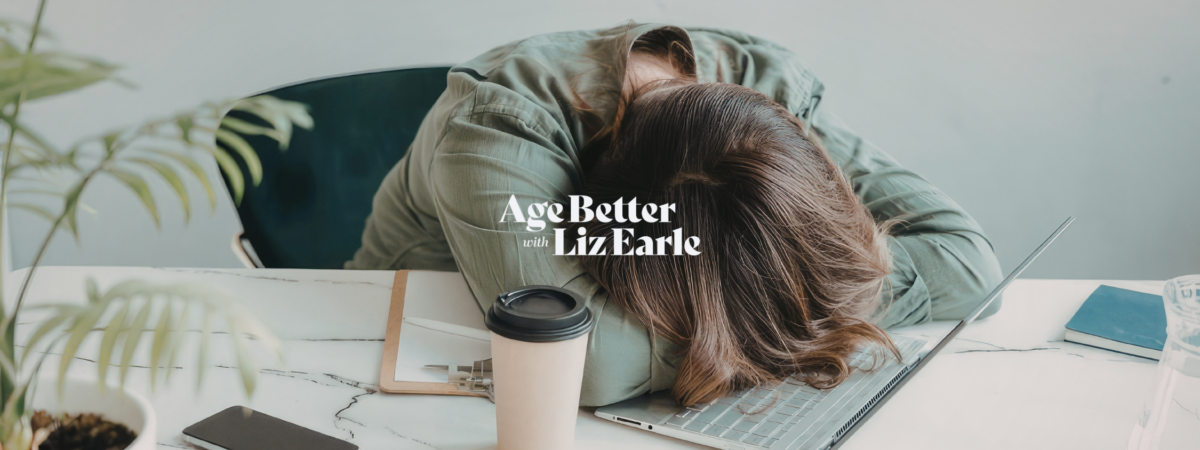
If you’re constantly exhausted and your hair seems thinner than normal, it might not just be your hormones. Liz talks about low iron levels in midlife, how to spot the symptoms and what to do if you’re struggling.
Plus: where to start with longevity supplements, ways to manage high cholesterol, juggling HRT on a busy schedule and advice for troubled teenage skin.
Stream the episode below, or download the recording via Apple Podcasts or Spotify.
How to tell if your iron level is low – and ways to boost it
Iron plays a vital role in carrying oxygen around the body, supporting energy, mood and immunity. Low iron levels are incredibly common in midlife women, and often undertreated, explains Liz. Heavy periods – often experienced in perimenopause – are one of the biggest causes.
When iron is low, the body prioritises essential functions like transporting oxygen to vital organs rather than to muscles or other tissues. This can compromise all sorts of things, from our energy reserves to our hair health.
4 signs your iron might be low
Persistent fatigue
If you feel drained even after rest, or struggle to find energy for exercise, low iron could be a factor.
Low mood
Iron supports brain function. Low levels can leave you feeling flat, anxious or lacking motivation.
Frequent illness
Picking up every cold going? Your immune system may be under strain.
Thinning hair
Hair loss or increased shedding is a common sign of low iron, but is often blamed on hormones.
How to boost your iron levels
Consider supplementation
Iron supplements can be effective, but it’s key to find the type that works for you. “Iron bisglycinate and heme iron (that’s animal-derived iron), is often gentler and much more bioavailable,” explains Liz.
If supplements upset your stomach, cause constipation or aren’t working, Liz advises speaking to your GP about alternatives. In some cases, an iron infusion may be recommended. This is an intravenous treatment that delivers iron directly into your bloodstream, bypassing the gut.
Make sure you’re taking it the right way
How you take your iron supplement matters. For best results:
- Take it on an empty stomach for optimum absorption.
- Avoid taking it with cereal or your morning coffee, as calcium and caffeine stop it working properly.
- Vitamin C helps the body absorb iron more easily, so pairing with a glass of orange juice is ideal.
Look at the root cause
If heavy periods are contributing to low iron, ask your GP about what options are available to manage the bleeding. It’s also important to rule out conditions that may impair iron absorption, such as Crohn’s or coeliac disease.
Advocate for yourself
Standard GP blood tests will measure your ferritin levels (your body’s stored iron), but they have their limitations and will often show levels as normal even when iron stores are running low. If your symptoms are affecting your quality of life, push for answers, a referral to a specialist or a second opinion if needed.
“Living for years with low iron, exhaustion and thinning hair is really not something you should have to simply put up with,” says Liz.
Also in this episode:
- 3 ways to boost your iron levels
- Where to start with supplements
- Managing high cholesterol without statins
- Treatment for teenage skin concerns
- Travel-friendly HRT treatment
Links mentioned in the episode:
- NMN and other NAD-boosting supplements
- Urolithin A
- Liz’s go-to supplement routine
- Podcast with Dr Mo Enayat on leaky gut, cholesterol and peptides
- MV Skintherapy multiBALM
- HRT explained article
Get in touch with a question for Liz:
- Email: [email protected]
- WhatsApp: 07518 471 846
More from Liz:
- Order Liz’s new book – How to Age
- A Better Second Half
- Follow Liz on Instagram
- Follow Liz Earle Wellbeing on Instagram
Some links may be affiliate links, which help support the show at no extra cost to you. Read our Affiliate Policy for more information.