


Vitamin D advice can feel surprisingly confusing. One minute we’re told everyone should be taking a supplement, the next we’re hearing that sunshine is the best source. Then there are different recommendations depending on who you ask.
The truth is, vitamin D isn’t quite as straightforward as it seems. Our requirements are influenced by everything from where we live and our skin tone to our age, lifestyle and even our genes. While researchers are still uncovering exactly how vitamin D works in the body, one thing is clear: it’s vital for our health.
So, how much do we really need, and what’s the best way to get it? We asked the experts to explain.
How much vitamin D do we need?
“The recommended daily intake in the UK is 10mcg (400 IU),” says Meleni Aldridge, integrative medicine practitioner and executive coordinator, The Alliance of Natural Health. “However, in the USA the daily recommendation is 15mcg (600 IU) and in Italy it’s 50mcg (2000 IU). The amounts are not enough in most cases.”
“Vitamin D supplement recommendations, and ‘status levels’ for blood testing panels, tend to be based on the amount needed to avoid ‘deficiency’ (at the bottom end of the scale) and ‘toxicity’ (at the top end of the scale),” explains Emma Beswick, director at LifecodeGx, a nutrigenomic testing company. “Obviously avoiding deficiency isn’t the same as optimisation.”
Despite its name, vitamin D isn’t actually a vitamin at all. It’s actually a pro-hormone, which our bodies produce naturally when our skin is exposed to sunlight. That’s one of the reasons it’s so unique. Unlike most vitamins, we don’t just rely on food to meet our needs.
And while we often think of vitamin D in relation to bone health, scientists now know it plays a far wider role throughout the body.
“As humans, we evolved near the equator in an environment with a lot of sunlight,” explains Melanie. “So ‘vitamin’ D is hardwired into our genetics, our physiology and our metabolism. In fact it’s a pro-hormone that is produced in our skin. We have to have enough sunshine to make that happen.”
What do we need vitamin D for?
Strong bones and healthy immunity tend to steal the spotlight when we talk about vitamin D, but that’s only part of the story. Researchers are continuing to uncover just how many jobs it carries out, with almost every cell in the body relying on it in some way.
From supporting healthy muscles and teeth to helping regulate inflammation, mood and energy, vitamin D appears to influence many aspects of our health. While there’s still plenty to learn, experts agree that maintaining healthy levels is important for far more than just our skeleton.
“Vitamin D is involved in thousands of metabolic processes in our bodies; every cell needs it,” continues Meleni. “We must have adequate levels for strong bones and teeth, to protect us from heart disease and cancer, to keep internal inflammation under control and for immune resilience.”
“Vitamin D is about so much more than bones and immunity,” says biochemist and quantum biologist, Dr Sara Pugh. “When our bodies make it from light, it plays a role in regulating appetite and weight, supporting our nervous system, hormone management as well as preventing brain fog and low energy. The body makes different forms of vitamin D, which have multiple uses.”
Why your levels might not be ‘optimal’
When it comes to vitamin D, it isn’t always as simple as being either “deficient” or “sufficient”. In fact, many experts believe there’s an important middle ground that’s often overlooked.
Current NHS guidance recommends maintaining blood levels above 50 nmol/L to prevent deficiency-related conditions such as rickets and osteomalacia. However, some experts argue that higher levels – around 75 to 100 nmol/L – may be more beneficial for supporting overall health. It’s one of the reasons there’s still plenty of debate around what ‘optimal’ vitamin D levels really look like.
“Most blood tests measure ‘inactive’ vitamin D – 25-hydroxyvitamin D, and not ‘active’ vitamin D – 1,25-dihydroxyvitamin D, circulating in the body,” says Sara. “So although your level may appear sufficient, a magnesium deficiency, which is common, and numerous other factors can make it harder to activate the vitamin D.”
It’s another reminder that vitamin D doesn’t work in isolation. Our bodies rely on a range of nutrients to convert it into the active form that our cells can actually use.
“As well as magnesium, we need adequate levels of boron, zinc, vitamins A, K2, B6 and omega-3 fatty acids to help convert vitamin D into its active form,” says Meleni. “These nutrients also prevent the effects of overload.”
Emma agrees, explaining that our lifestyle plays an important role too.
“Someone could have a ‘good’ amount of inactive vitamin D shown in a blood test but it doesn’t mean their body is activating it and using it,” she says. “Exercise also helps the conversion, as it causes minor muscle damage, which generates inflammation and pings the vitamin D into action. A little inflammation can be good, but not too much. This is why regular exercise is better than nothing all week then running 20 miles at the weekend.”
We all respond to vitamin D differently
One of the reasons vitamin D advice can feel so confusing is because there isn’t a one-size-fits-all answer.
Everything from where we live and the colour of our skin to our age, lifestyle and genetics can influence our vitamin D status. In other words, two people spending the same amount of time outdoors may not end up with the same vitamin D levels.
The Fitzpatrick Skin Tone Scale is one way of estimating how our skin responds to UV light. As we get older, our ability to make vitamin D naturally also declines, while people with darker skin generally require more sun exposure to produce the same amount of vitamin D as someone with lighter skin.
“Gene variants are common and have a massive effect,” says Emma. “Some people’s bodies are less able to tell that vitamin D is there in storage. For example, two people could have the same levels, from a blood test, but one could experience signs of deficiency such as low mood and poor immunity, while the other person is fine.
“This is because the vitamin D isn’t activated sufficiently in the first person, but it is in the other. Through nutrigenomic testing, you can discover how genetically efficient you are at activating vitamin D and how responsive you are to it.
“Some people have gone decades without realising that vitamin D insufficiency (rather than deficiency) is behind their symptoms,” continues Emma. “We had a client whose health providers had never connected her various symptoms. When she did our test, the part that shone out was the genes that affected her vitamin D processing. She was then able to increase her vitamin D intake and uptake and improve her health.”
Why sunlight is best
When UVB light hits our skin, our bodies use cholesterol and other substances to synthesise it into vitamin D, which is stored in the liver and other tissues, before being activated in the kidneys for use in our cells. However, suddenly blasting ourselves with sun isn’t the answer.
“Sunlight is the most natural source, when it comes to making vitamin D,” says Emma. “The body has more opportunity to regulate it and respond accordingly. Too much vitamin D, from high-dose supplements, can raise calcium levels. Without sufficient vitamin K2 this can go to the arteries, rather than the bones and lead to arterial stiffening. The kidneys will also try to get rid of an excess of calcium, which can cause kidney stones.”
“When our bodies make vitamin D from the sun, it is circulated properly in the body,” adds Sara. “Supplements don’t work in the same way, they are different molecules. We require sunlight for much more than vitamin D too. The UVA is vital for our neurotransmitters and near infra-red is essential for our mitochondria. There are so many reasons why being outside in daylight is beneficial.
“However, we have to respect the sun. Rushing into it is not good, as you don’t want to burn, especially if you have a Fitzpatrick skin type of 1 (pale skin and red hair). It’s important to gradually build a solar callus.
“We also need enough electrons and internal hydration to process sunlight. We’re like solar panels – grounding outside, water and sunlight charge our batteries.”
What is a solar callus?
“Essentially, a solar callus is a tan,” explains health educator, Dr Max Gulhane MD. “It specifically refers to a tan built up by progressive exposure to full-spectrum natural sunlight. The key point is that a solar callus helps us to continue to expose ourselves to full spectrum sunlight without burning, and therefore benefit from the constellation of positive health effects from all the wavelengths of natural sunlight including ultraviolet light.”
“UV light has been maligned for its role in causing skin cancer, which it does play a role, particularly in non-melanoma skin cancer. However, the biggest unspoken topic on tanning and health is the long-term data showing those with greater sun exposure habits and greater vitamin D levels (reflecting greater sun exposure habits) have lower death by all cause, and particularly from key causes including cardiovascular disease and stroke.”
How to make vitamin D from the sun safely
None of the scientists and doctors we’ve spoken with are suggesting we go outside and fry. They emphasise the need for a gradual build-up of sun tolerance. Sara suggests we spend more time outside in the winter to slowly prepare our skin for increased sun exposure in the spring and summer. She also maintains that if we have enough (sensible) sun exposure during the warmer months, our bodies will store enough vitamin D to see us through the winter. So what is ‘sensible’ sun exposure?
“How much sun exposure we each require or can tolerate varies, but it’s possible to work out what is best for you by using apps such as DMinder or MyCircadian,” says Sara. “We make vitamin D better naturally by going in and out of sun during the day and using shade like animals do.
“We can’t make vitamin D from sunlight in the autumn and winter (October-March) in the UK, as the UVB is too low. To make it naturally, the UV index needs to be above 5. However, it is possible to start building a solar callus when the UVB is low, by being outside during the sunrise and sunset daily. This slowly prepares the skin to build its own defences. We also need the near infrared light from the sun, which is available all year round.”
Building new habits
“Not going outside is just a habit,” continues Sara. “But if we can retrain ourselves, it’s far better to be outside at sunrise than looking at our phones. This confuses the body’s signals and creates bad circadian rhythms, akin to jet lag. This can lead to brain fog, food cravings, hormonal disruption, and blood sugar levels all over the place.
“Depending on your skin type, latitude etcetera, you might need to spend 45 minutes outside in a bikini in the summer to make 5-6000 IU of vitamin D, or two hours in shorts and a shirt. If you haven’t been gradually exposing some of your skin outside during the sunrise and building a solar callus, the chances of burning are massive, which is obviously to be avoided. So start with five minutes a day, a morning walk or sitting outside without a hat and gloves in the winter.”
“In the UK we are exposed to incremental increases of sunlight,” adds Emma. “Being in sync with our natural environment is better for us generally. Sunlight has multiple effects on health and the workings of the body. It promotes other processes and rhythms. Everything is connected.”
Richard Weller, Professor of Medical Dermatology at the University of Edinburgh makes the point that “Although well-intentioned, the current dermatology approach to sunlight only considers skin health, in particular, risks of skin cancers and photo-aging, and fails to take into account systemic health benefits and modern research on mechanisms through which sunlight affects overall health.
“Dermatologists and skin researchers have made great progress in understanding some aspects of the interaction between UV and our skin. We do need, however, to stand back and take a more holistic view of UV exposure and human health.”
Other ways to obtain vitamin D
If for any reason, we aren’t able to sit in the sun, our diet can also provide us with some vitamin D. Oily fish (such salmon, mackerel and sardines), mushrooms, egg yolks and liver are good sources.
“Animal foods provide a form called D3 that is most bioactive – it’s the same form that we make in our skin,” says Emma. “D2 (in mushrooms) is less bioactive. So people who are vegetarian or vegan are likely to be at higher risk of vitamin D deficiency, if they don’t get much sun.
“Chronic inflammation and illness promotes vitamin D activation and its use. These individuals will use up, and deplete vitamin D more quickly too.”
How to supplement safely
Making vitamin D from sunlight is clearly best, particularly as the associated benefits are far broader. However, if that’s not possible, and our diet isn’t ideal, it may be necessary to take a supplement.
There are various home-testing kits available to check inactive vitamin D levels if we’re unable to access one through our GP. Alternatively, we might consider more in-depth nutrient or genetic testing.
“The results of a blood test will be variable depending on the season,” says Emma. “So it would be good to test in February and September. It can be life-changing to supplement for people who are deficient in vitamin D. However, there are big variations in supplement quality. Some are manufactured in a much better way. So if you are going to supplement, do your research and buy a good one.”
Our favourite vitamin D supplements
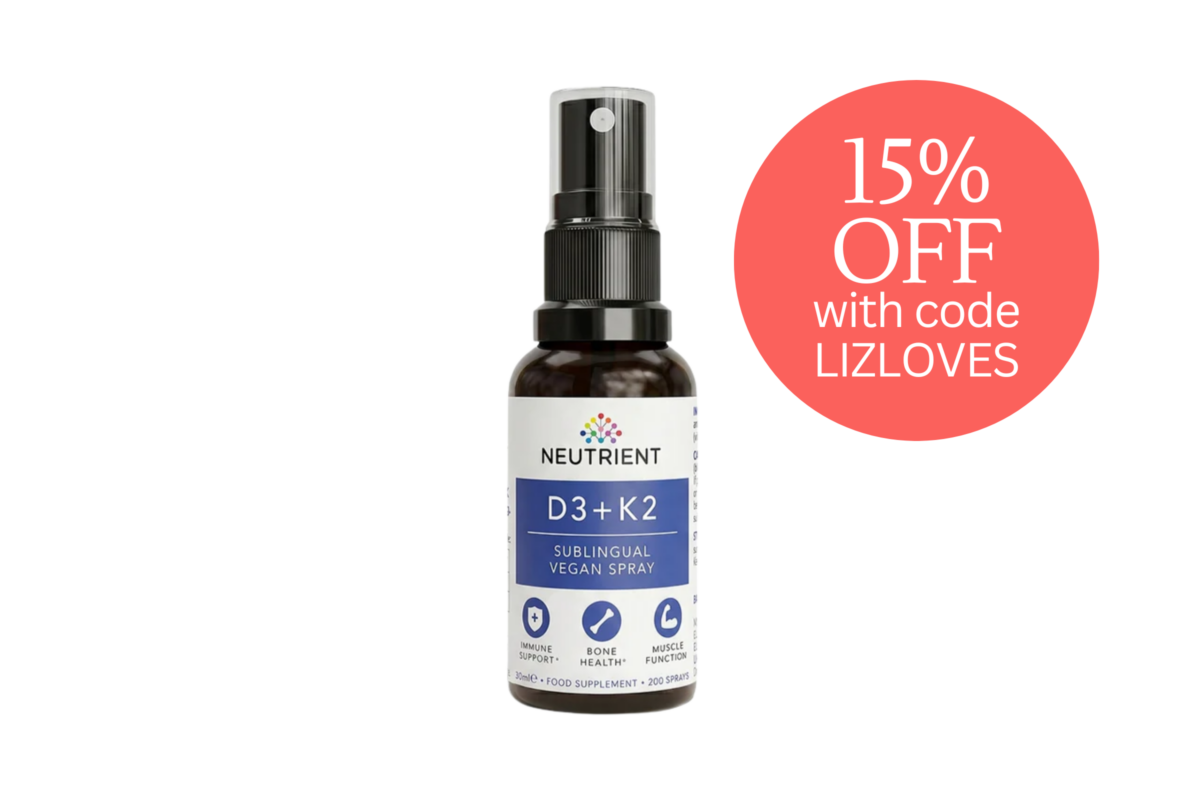
Just two sprays daily provides 2,000 IU of vitamin D3 balanced with 50mcg of vitamin K2, delivered sublingually for maximum absorption.
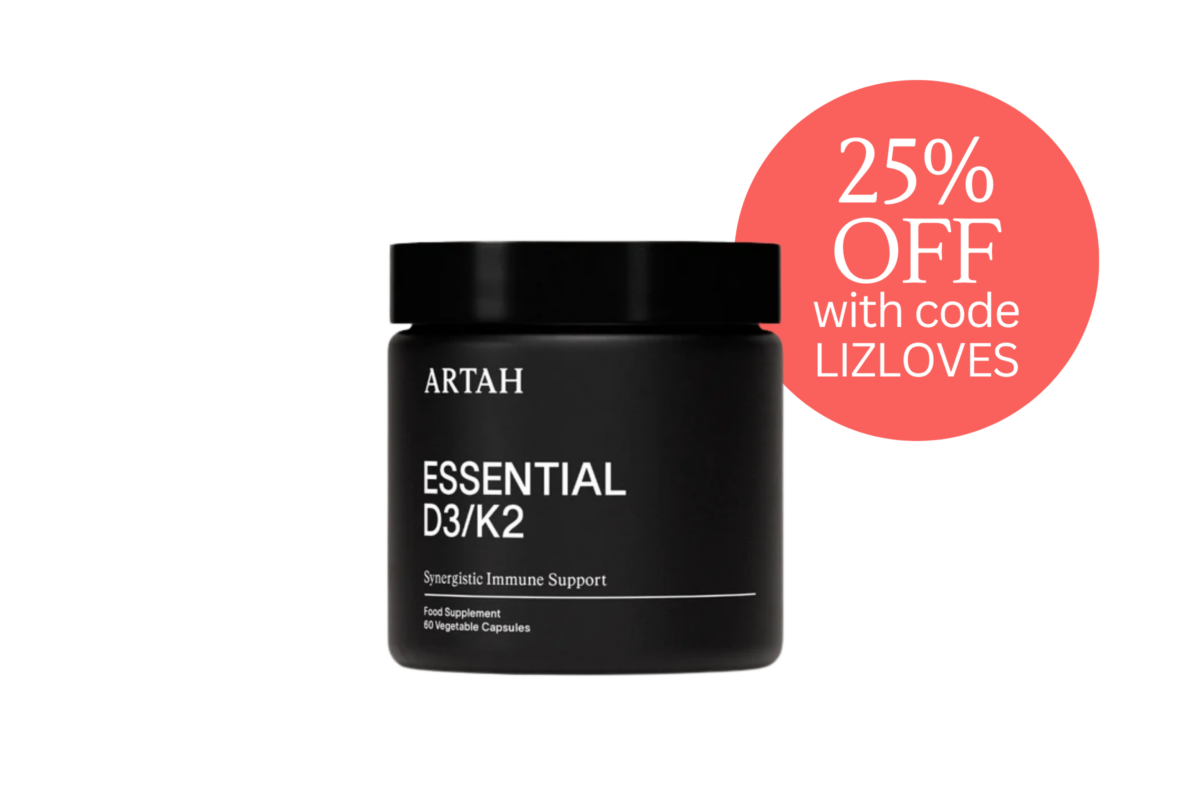
This high-potency vitamin D3 is in its most bioavailable form and paired with vitamin K2, a cofactor that ensures it works optimally.
BetterYou D3000 + K2 Oral Spray (£10.95)
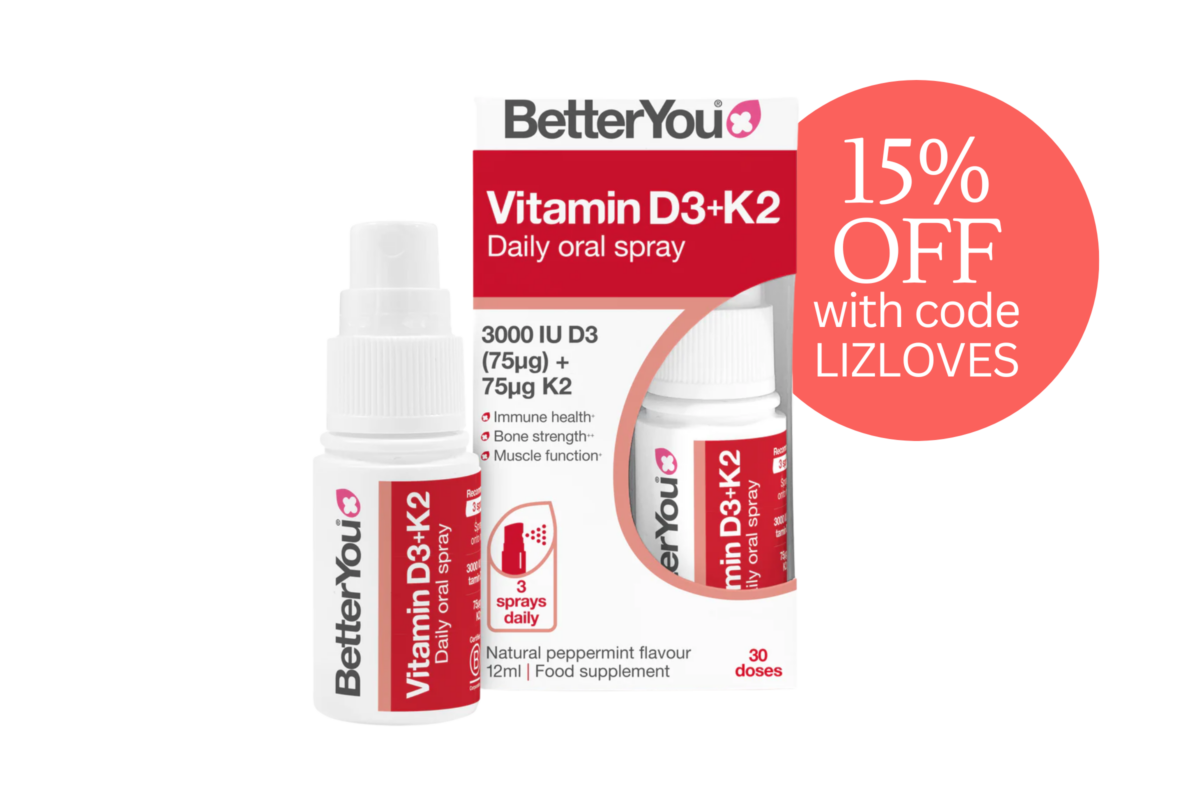
This convenient spray contains a winning combination of vitamin D3 and K2 for strong bones.
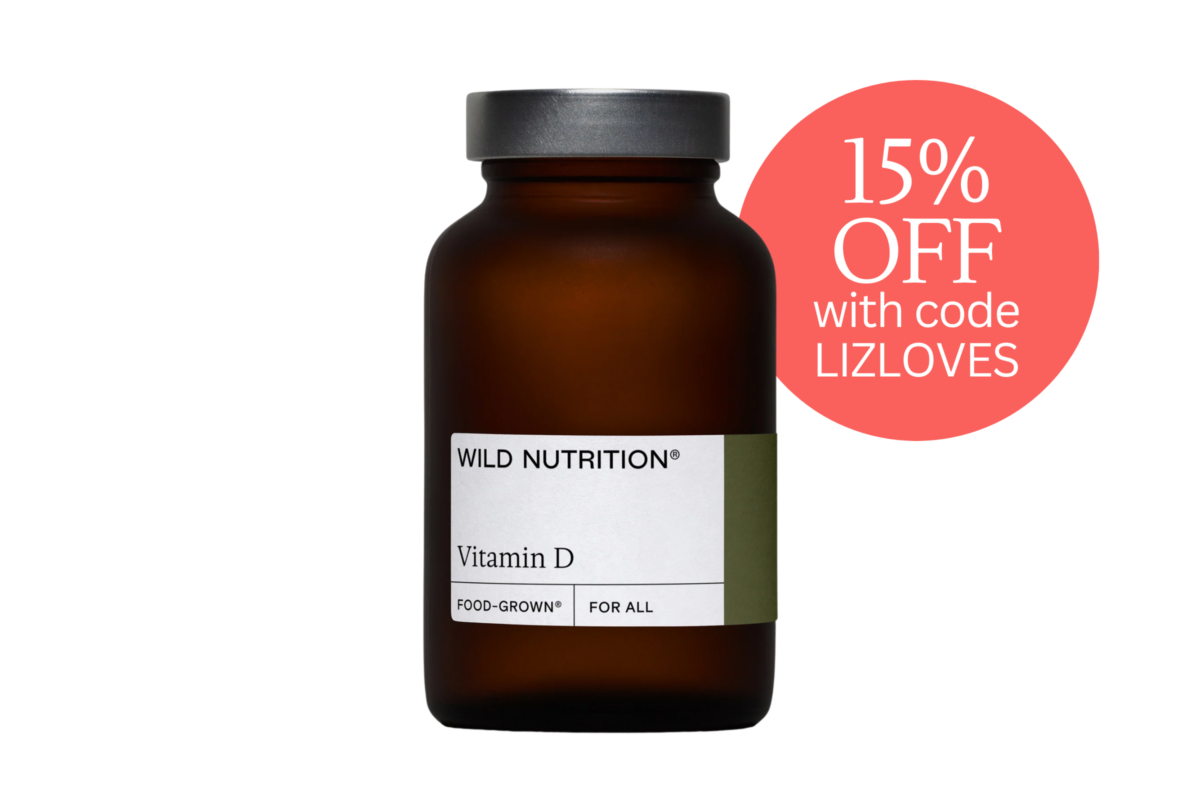
There’s evidence that food-grown vitamin D is better absorbed than that produced in a lab.
Read more in Health
- Why mobility is vital for midlife strength and fitness
- The benefits of magnesium for menopause and beyond
Please note, on some occasions, we earn revenue if you click the links and buy the products, but we never allow this to bias our coverage and always honestly review. For more information please read our Affiliate Policy.