

When you hear the word nitrates, what springs to mind? For many, it’s images of ultra-processed ham or neon-pink bacon – foods we’re told to avoid. But the story of nitrates is far richer (and far more interesting) than a simple “good vs bad” headline. In fact, naturally occurring nitrates in vegetables are among the most beneficial compounds we can eat, especially for heart health, exercise performance, and ageing well.
So let’s untangle the science – and explore why a little molecule called nitric oxide (NO) may be one of the most powerful wellbeing allies we have.
Nitrates vs nitrites: what’s the difference?
Although the words sound almost identical, nitrates and nitrites behave very differently in the body.
- Nitrates (NO₃⁻): Found abundantly in leafy greens and beetroot. These are largely harmless on their own and form the backbone of the body’s “nitrate–nitrite–NO” pathway.
- Nitrites (NO₂⁻): These can form naturally from nitrates via our saliva and gut bacteria. They’re also added to some processed meats as preservatives to prevent bacterial growth and preserve colour.
In essence: nitrates are the raw ingredient; nitrites are the intermediate; nitric oxide is the end product – and nitric oxide is what we really care about.
Nitrates: The Good, the Bad, and Ugly
The Good: nature’s nitrate-rich foods
Mother Nature packages nitrates in exactly the form we’re meant to enjoy them: vegetables. Spinach, rocket, lettuce, celery, and beetroot are especially rich sources.
Note: I’m not a fan of spinach due to its high oxalic acid content – take a read here to learn more.
When we eat these foods:
- Friendly oral bacteria convert nitrates to nitrites.
- The body transforms these nitrites into nitric oxide (NO) – a molecule that relaxes blood vessels, improves circulation, lowers blood pressure, and even enhances exercise performance.
This is one reason beetroot juice, for example, has become popular among athletes.
Better still, vegetables naturally contain antioxidants such as vitamin C and polyphenols that help steer nitrites down beneficial pathways.
The Bad (well… the less good): nitrites in processed meats
Nitrites added to processed meats are a different story. In the presence of high heat (think frying bacon) or when combined with certain compounds in meat, nitrites can form nitrosamines – substances linked with an increased risk of colorectal cancer.
This doesn’t mean we can never enjoy a weekend bacon bap. But it does mean these foods are best kept as occasional treats rather than daily staples.
The Ugly: nitric oxide depletion
Here’s the twist: many of us simply aren’t making enough nitric oxide.
As we age – particularly from midlife onwards – our ability to generate NO declines. Stress, poor sleep, mouthwash overuse (which kills those helpful nitrate-converting bacteria), and a lack of leafy greens can all reduce NO levels.
Low nitric oxide has been linked to:
- Higher blood pressure
- Reduced vascular health
- Poorer exercise capacity
- Cognitive decline
- Slower tissue repair
In other words: NO is a cornerstone of healthy ageing.
How to get more nitric oxide?
Happily, supporting nitric oxide levels is simple, tasty, and perfectly natural:
- Load your plate with nitrate-rich greens (such as broccoli) and beetroot.
- Avoid antibacterial mouthwashes unless medically necessary.
- Exercise daily – movement stimulates nitric oxide release from the endothelium (the lining of our blood vessels).
- Enjoy processed meats sparingly.
- Consider beetroot shots or powders before exercise if they suit you.
Fun fact: UVA is a powerful producer of NO within the skin. Just one (important) reason why we shouldn’t block out all sun exposure with round-the-clock SPF.
My verdict:
Nitrates aren’t villains – they’re misunderstood nutritional heroes when they come from the right places. And that tiny molecule – nitric oxide – reminds us that often it’s the smallest things that make the biggest difference to our wellbeing.
Top up with a nitric oxide supplement (these are the ones Liz rates)
Berkeley Life Nitric Oxide Foundation
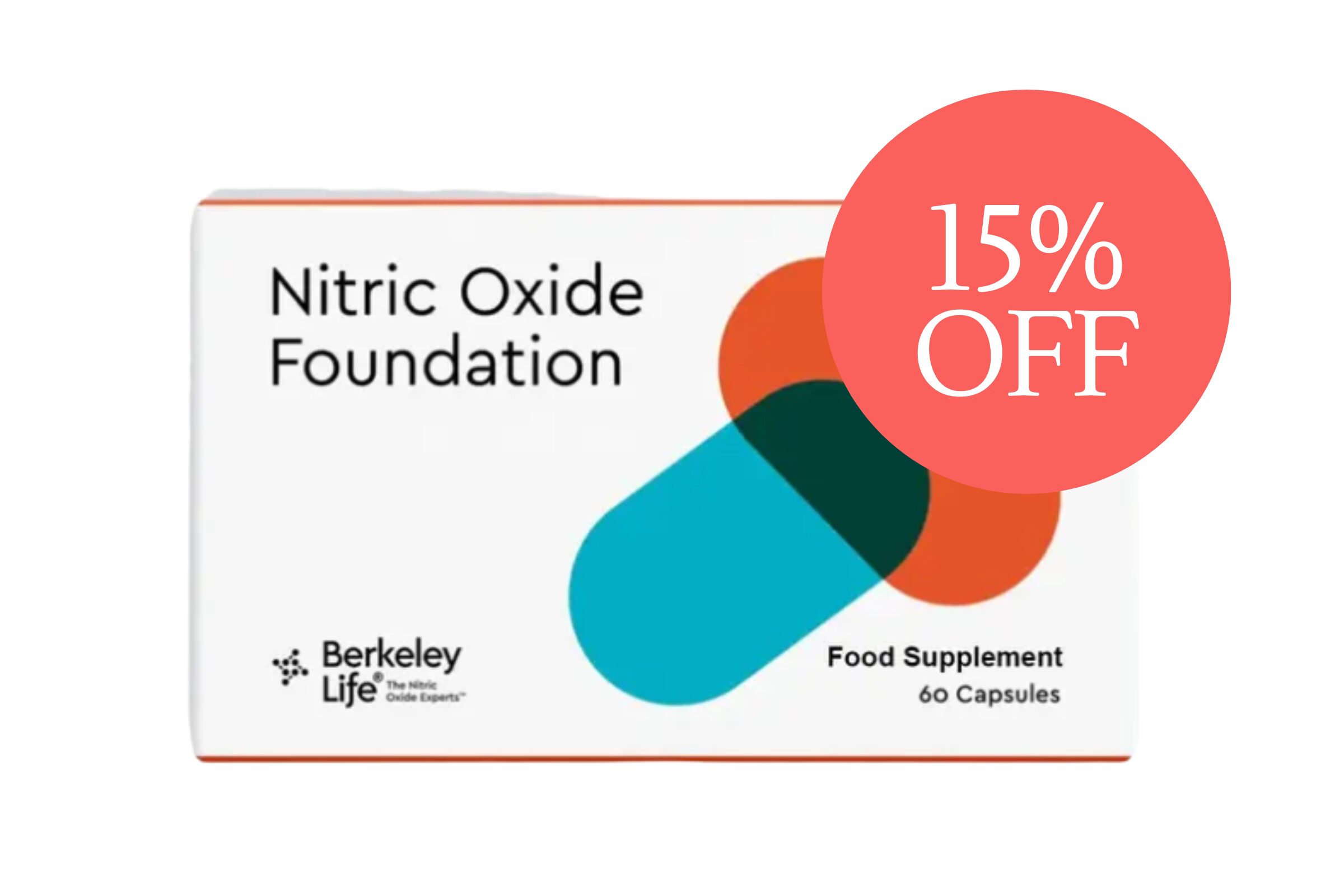
This supplement uses beetroot and leafy-green derived nitrates, along with betaine and potassium, aimed at supporting blood pressure, circulation, and healthy NO levels. Save 15% here.
Transparent Labs Nitric Oxide
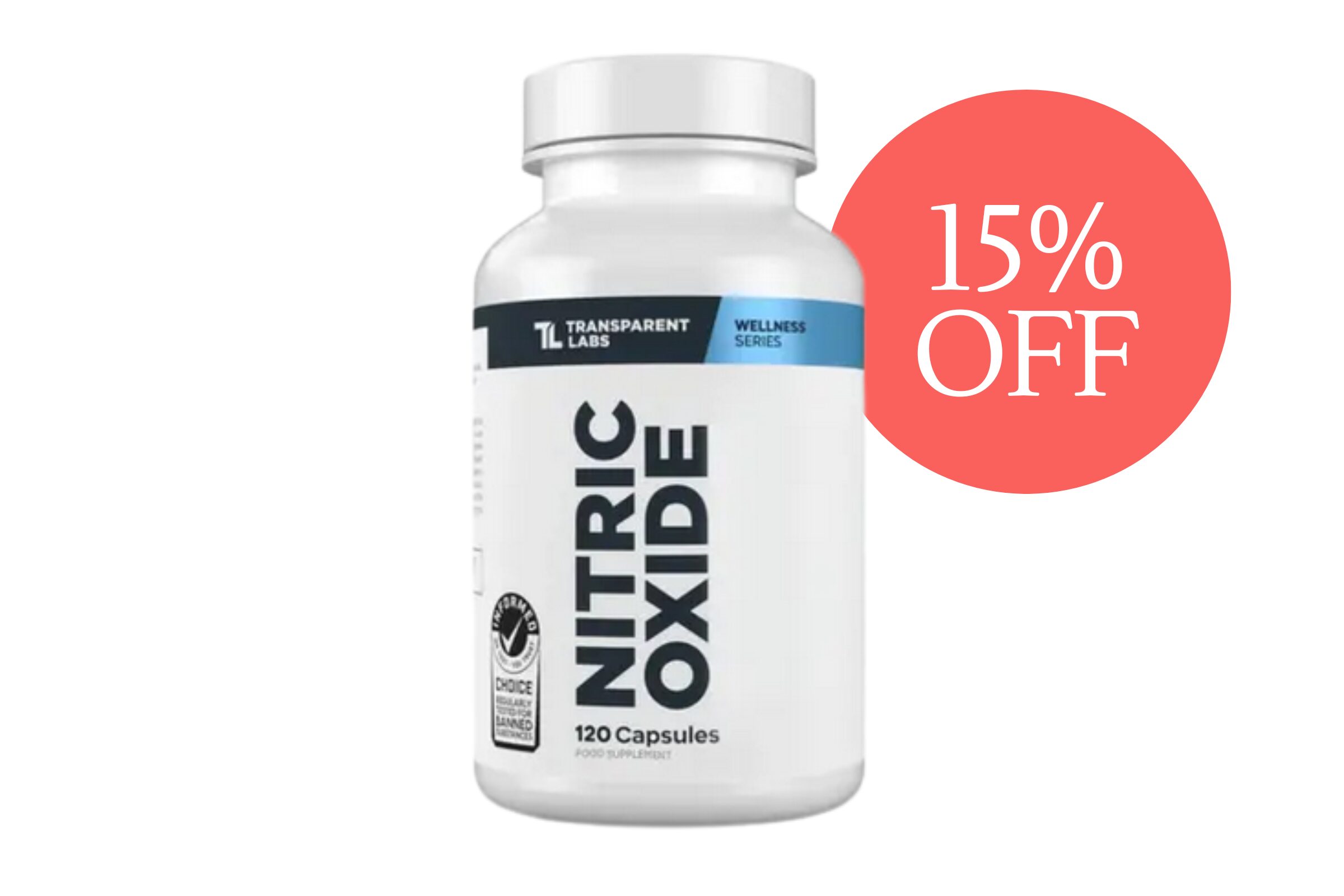
Contains arginine-nitrate and betaine-nitrate (NO3-T®), a stimulant-free formula designed as a ‘pre-workout-friendly’ way to support nitric oxide production. Save 15% here.
Designs For Health NOx Synergy
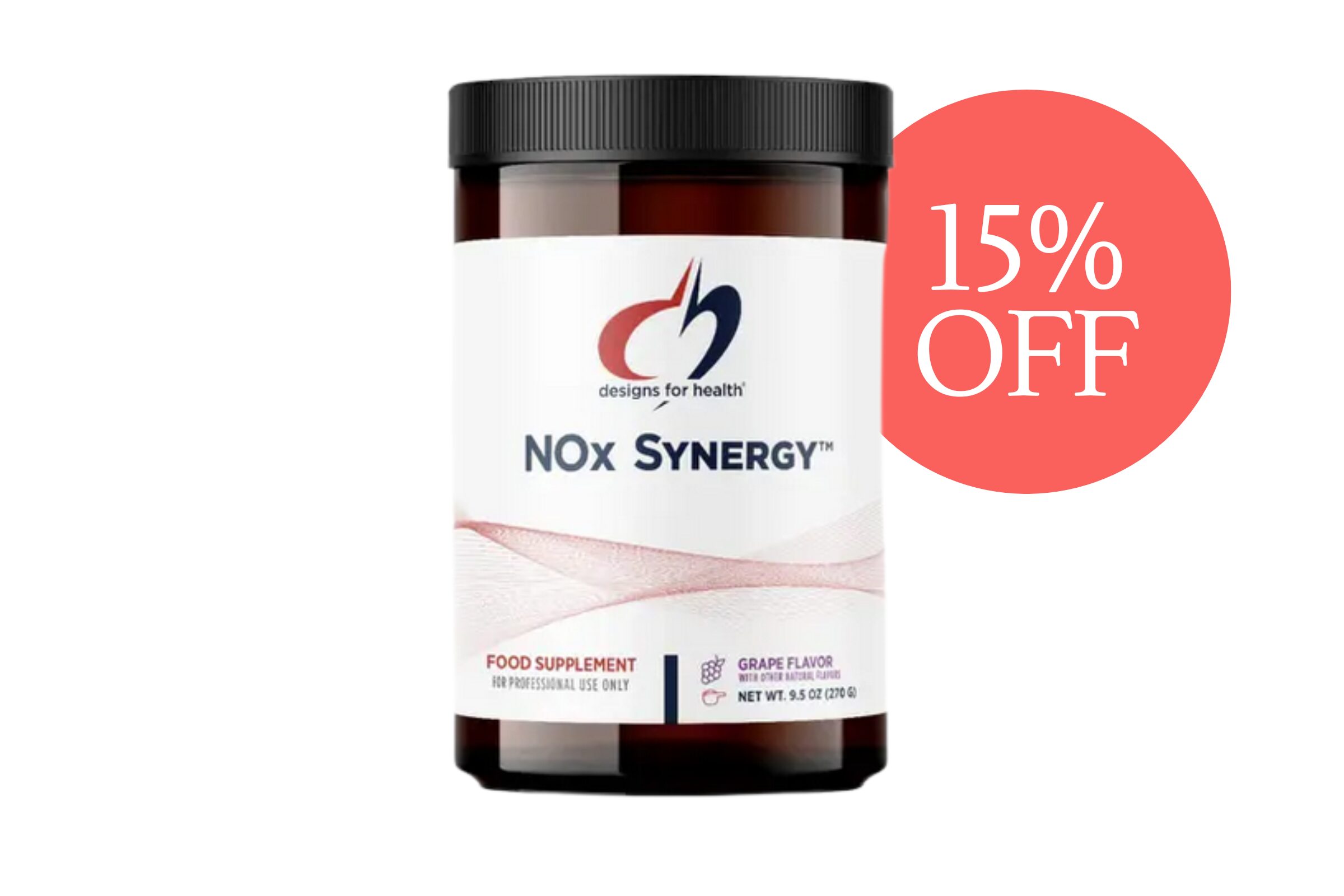
This powder blends amino-acid precursors (like L-arginine / L-citrulline) with micronutrients to support energy, circulation, and by extension NO-related pathways. Save 15% here.
Please note, on some occasions, we earn revenue if you click the links and buy the products, but we never allow this to bias our coverage and always honestly review. For more information please read our Affiliate Policy.