
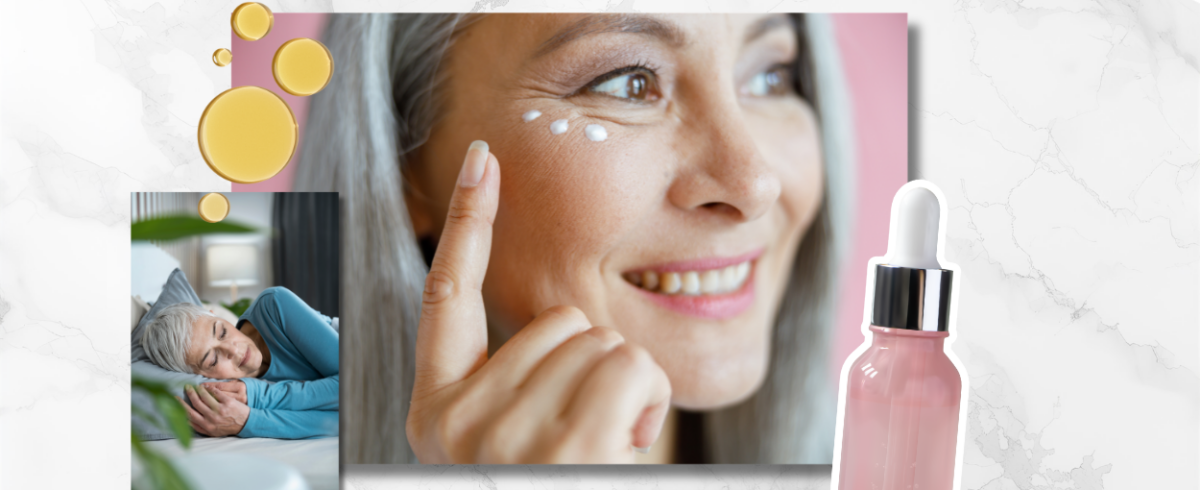
Most of us are familiar with the idea of the body’s internal clock, but our skin keeps time too.
The idea of ‘beauty sleep’ isn’t simply a sales hook. Research suggests that our skin behaves differently throughout the day and night, with many key repair and renewal processes happening while we sleep.
For women in midlife, when hormonal changes can affect everything from hydration levels to collagen production, understanding how our skin works overnight becomes even more key for optimising our beauty routine.
What is the circadian rhythm?
Our circadian rhythm is the body’s internal 24-hour clock. Influenced largely by light, it helps regulate everything from our sleep-wake cycle to our energy levels, metabolism and even immune function.
Throughout the day, different hormones rise and fall to help us function at our best. Cortisol naturally increases in the morning to help us feel alert, while melatonin begins to rise as daylight fades, signalling that it’s time to wind down for sleep.
If you’ve ever experienced jet lag, you’ll know just how groggy we can feel when this internal clock falls temporarily out of sync.
How does this affect our skin?
Just like the rest of the body, our skin follows its own daily rhythm.
“Our skin follows a very real circadian rhythm, meaning it behaves differently during the day compared to at night,” explains Dr Marine Vincent, French pharmacist, founder of The French Pharmacy and author of The French Skincare Bible. “During daylight hours, the skin is largely in ‘protection mode’, defending itself against UV exposure and pollution.”
At night, however, the focus shifts towards repair and renewal.
“The skin prioritises cellular repair, collagen synthesis, DNA recovery and barrier restoration overnight,” says Jojo Pepper, expert facialist at Eve Lom. “As evening approaches, blood flow increases, cellular regeneration accelerates, and the skin becomes more receptive to active ingredients.”
What’s still rarely talked about is how our skin knows what to do, and when. The answer lies with our clock genes.
“Clock genes help regulate the timing of key skin processes – things like repair, renewal and barrier recovery,” explains Laura Rudoe, founder of organic skincare brand Evolve Organic Beauty. “They don’t create those processes, but they help ensure they happen at the right time and in the right sequence.”
Two of the best-studied are BMAL1 and PER2, which sit at the heart of the skin’s overnight repair cycle. When they’re working in sync, skin tends to look clearer, fresher and more radiant. When they’re not, the consequences show up on the surface.
“When circadian signalling is disrupted – through age, chronic stress or poor sleep – those signals become less precise,” Laura adds. “Skin repair becomes less efficient, renewal slows further, and skin can start to look tired or out of balance.”
What can disrupt the skin’s natural rhythm?
The NHS recommends that adults get between seven and nine hours of sleep a night. Yet, more than a third of Brits regularly get less than seven.
“As nighttime is when the skin naturally moves into recovery mode, poor sleep, stress, irregular routines and even late-night screen exposure can disrupt this rhythm,” says Joanne Evans, medical aesthetician and founder of Skin Matters.
Midlife also brings another layer of challenge, with fluctuating hormones, night sweats and anxiety all potentially disrupting our sleep. This, Marine explains, can also raise our cortisol levels.
“This elevation can worsen inflammatory skin conditions such as acne, eczema or rosacea, while also impairing overnight repair processes and barrier function and accelerating collagen breakdown,” she says.
“The result of this disruption often shows up as dullness, dehydration, inflammation and slower recovery for the skin,” adds Joanne. “This is why ‘beauty sleep’ is more than a cliché; it genuinely supports healthier skin function.”
Why does skin often feel drier overnight?
One reason many of us wake up with skin that feels tight or dehydrated is that the skin naturally loses more moisture while we sleep.
At night, the skin becomes more permeable and transepidermal water loss (TEWL) increases. While this helps support natural repair processes, it can also leave skin feeling drier by morning, particularly during midlife when natural lipid production begins to decline.
The most intensive period of repair tends to occur during the first few hours of deep sleep.
“During this particular period, as growth hormone surges during deep sleep, our cell turnover accelerates, DNA repair activity increases, and collagen production increases,” explains Jojo.
“An evening routine focused on cleansing, repair and barrier support, paired with quality sleep and consistency, can make a meaningful difference,” adds Joanne.
Ingredients to add to your PM routine
“When it comes to overnight skincare, consistency is often more important than complexity,” Jojo says. “Ingredients-wise, hyaluronic acid helps maintain hydration. But you can use AHAs and BHAs to refine skin texture overnight.”
For Marine, barrier-supporting ingredients deserve particular attention, especially during midlife.
“Retinoids are among the best ingredients, because they stimulate collagen production and support cell turnover,” she says. “I also love ingredients that help restore the skin barrier, particularly ceramides, squalane and nourishing lipids, which are especially important for midlife skin.
“Peptides are another excellent evening ingredient as they help support firmness and skin regeneration over time.”
Laura adds one less-talked-about ingredient that works differently from most PM actives.
“Centella asiatica has been researched for its role in supporting skin circadian rhythm,” she says. “In particular, it supports core skin clock genes, including BMAL1 and PER2, which play a key role in regulating when skin repairs and renews itself.”
“This ingredient doesn’t force skin to turn over faster,” Laura adds. “Instead, it helps bring disrupted skin processes back towards balance.”
The bottom line
While syncing our skincare with our circadian rhythm may sound like another trend, the underlying principle is refreshingly straightforward: support your skin when it is naturally primed to repair itself.
“Supporting the skin’s natural overnight rhythms with hydration, barrier support and intelligent active ingredients can have a significant impact on long-term skin quality,” says Jojo.
But, it’s important to remember that skincare products are only one piece of the puzzle.
“I think we underestimate how much sleep itself is part of skincare,” explains Marine. “No product can fully compensate for chronic stress, exhaustion or poor sleep quality, and good skin is very often the result of consistent daily habits rather than a single miracle product.
“Ultimately, skin health is never completely separate from general wellbeing. The skin often acts as a visible reflection of what is happening internally.”
11 overnight skincare saviours
Evolve, Vital Glow Vitamin C Cream, £32
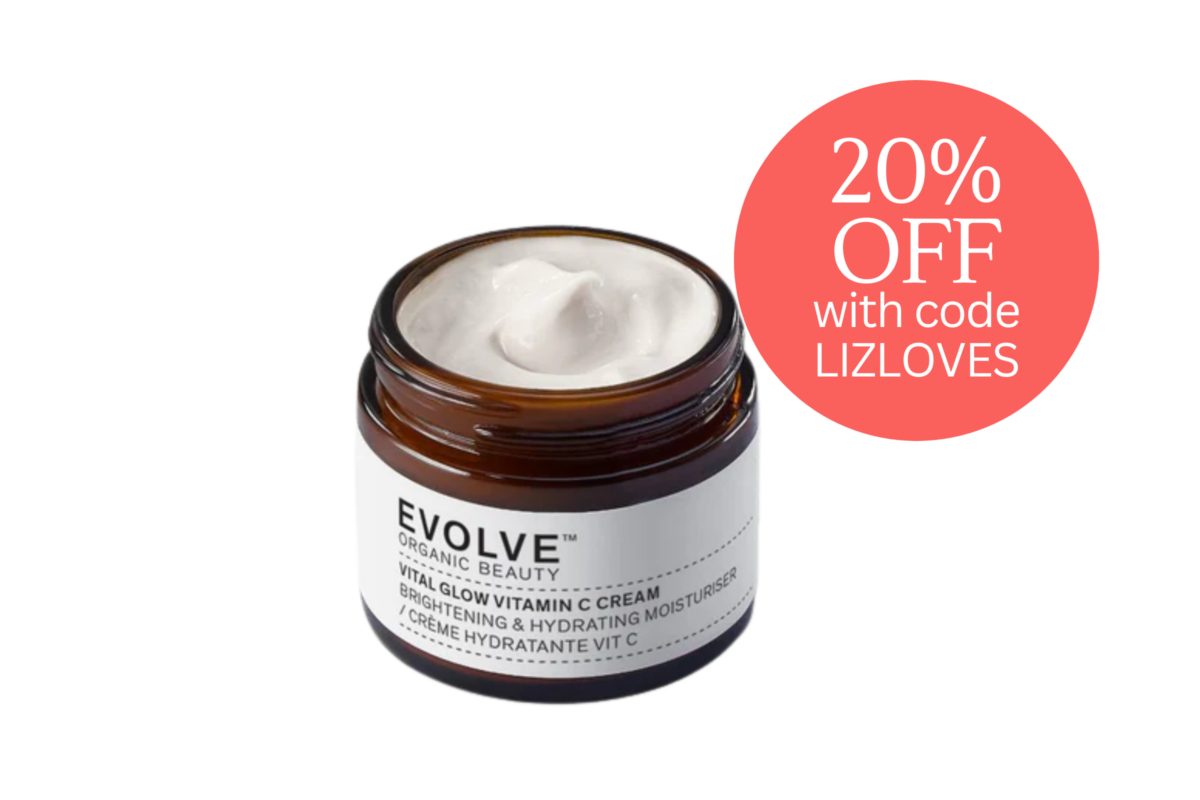
A daily moisturiser that quietly supports the overnight processes that matter most. Formulated with Centella asiatica to help regulate clock genes, as well as vitamin C for radiance and glow.
SVR, Ampoule [A] Lift 0.3% Retinol Serum, £39
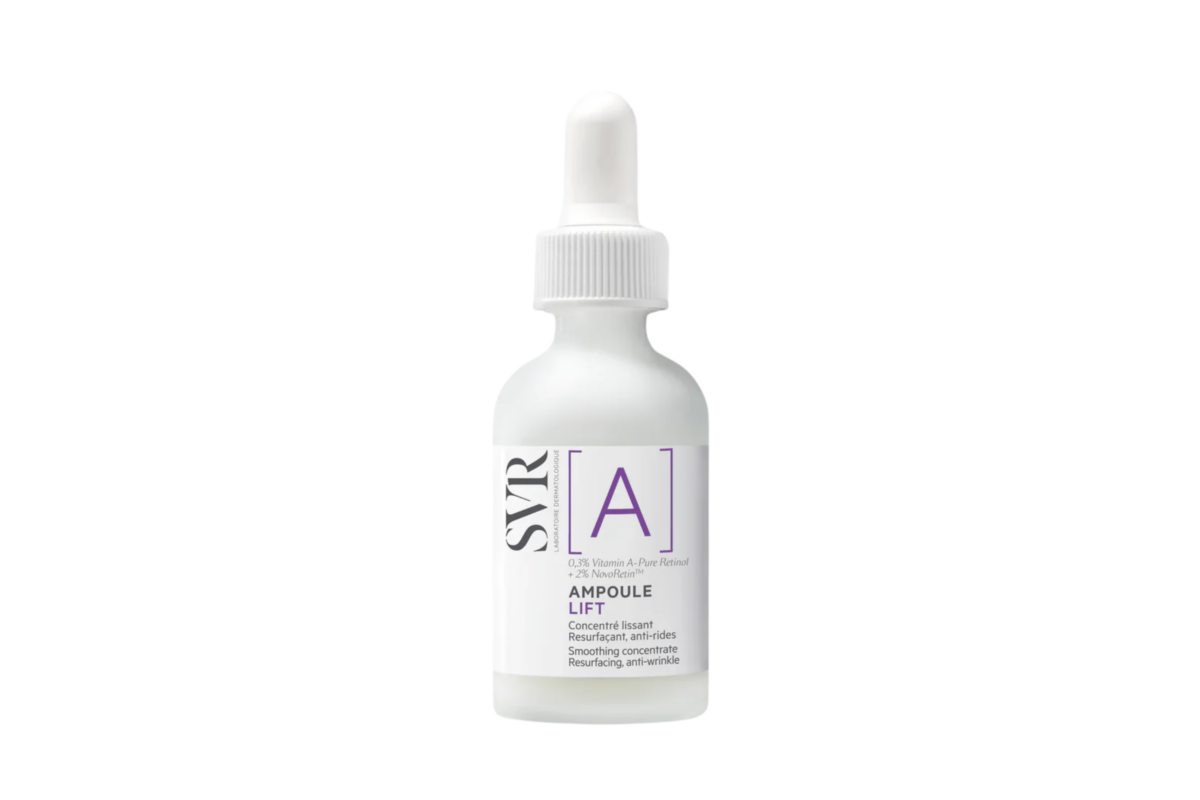
“Offering gentle retinal support, this milky formula instantly blends with the skin,” says Marine. “It gently diffuses its active ingredients for visible results and skin that is as smooth as it is comfortable.”
KLIRA, The KLIRA Special, £59
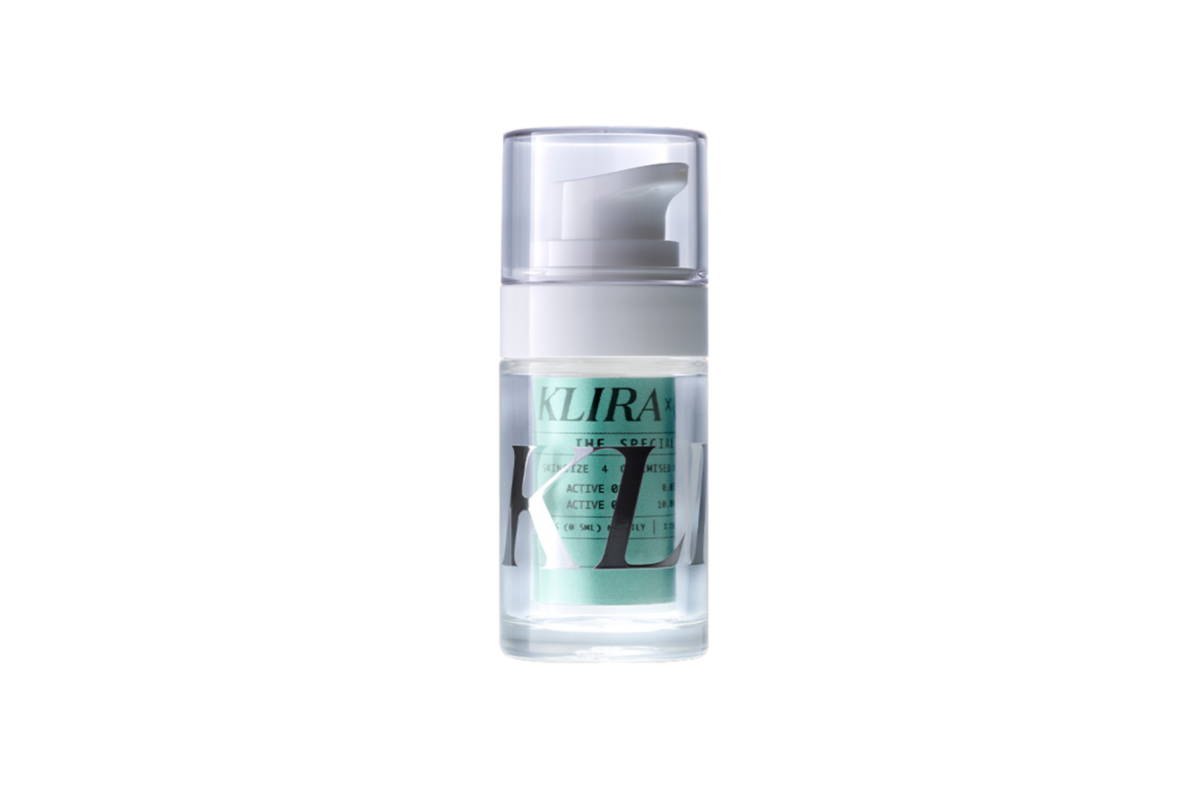
Replace a complex, multi-step evening routine with this personalised blend of up to 11 custom ingredients. Designed by dermatologists, with prescription-grade ingredients, the treatment plan delivers continuous optimisation based on how skin responds.
Fushi, Organic Vitamin E Oil, £22
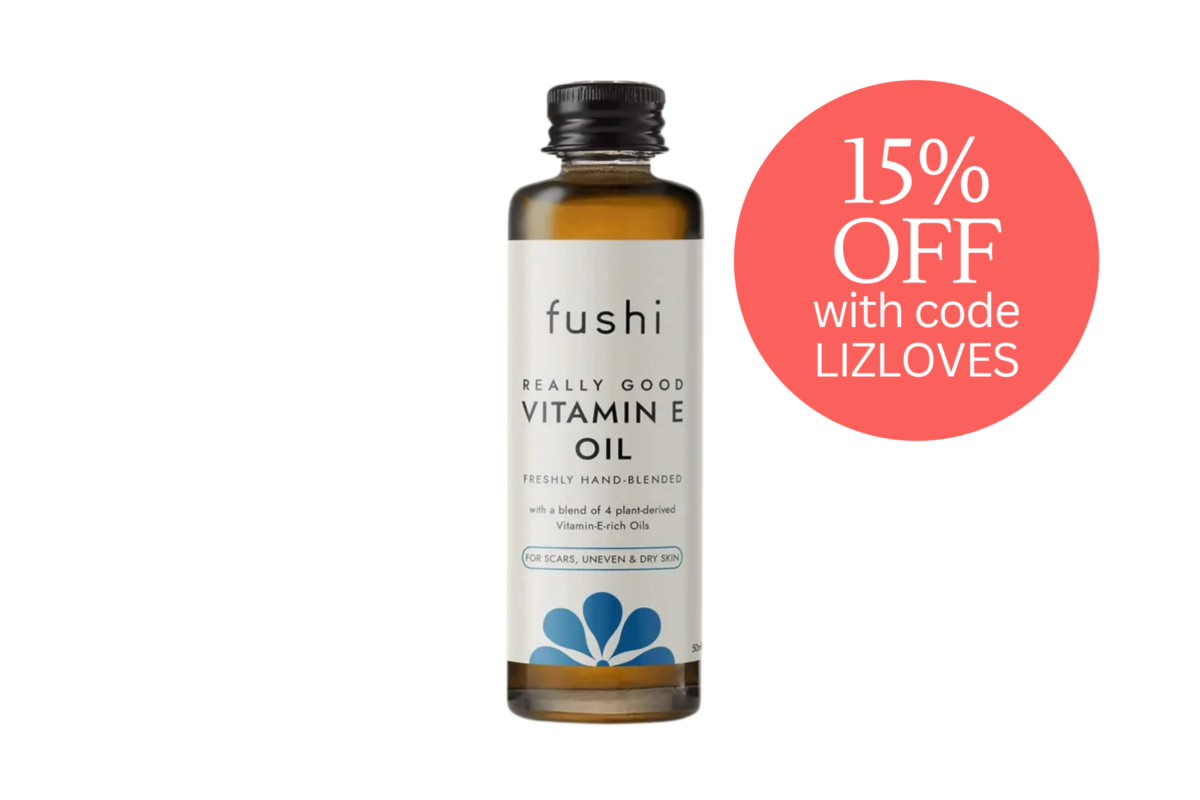
This synergistic blend of plant-derived vitamin E, jojoba, wheatgerm, and raspberry oils offers 30,000 IU of pure d(a)-tocopherol for deep skin repair and hydration, targeting fine lines, scars, and dry skin.
Eve Lom, Renewal Intensive Treatment, £120
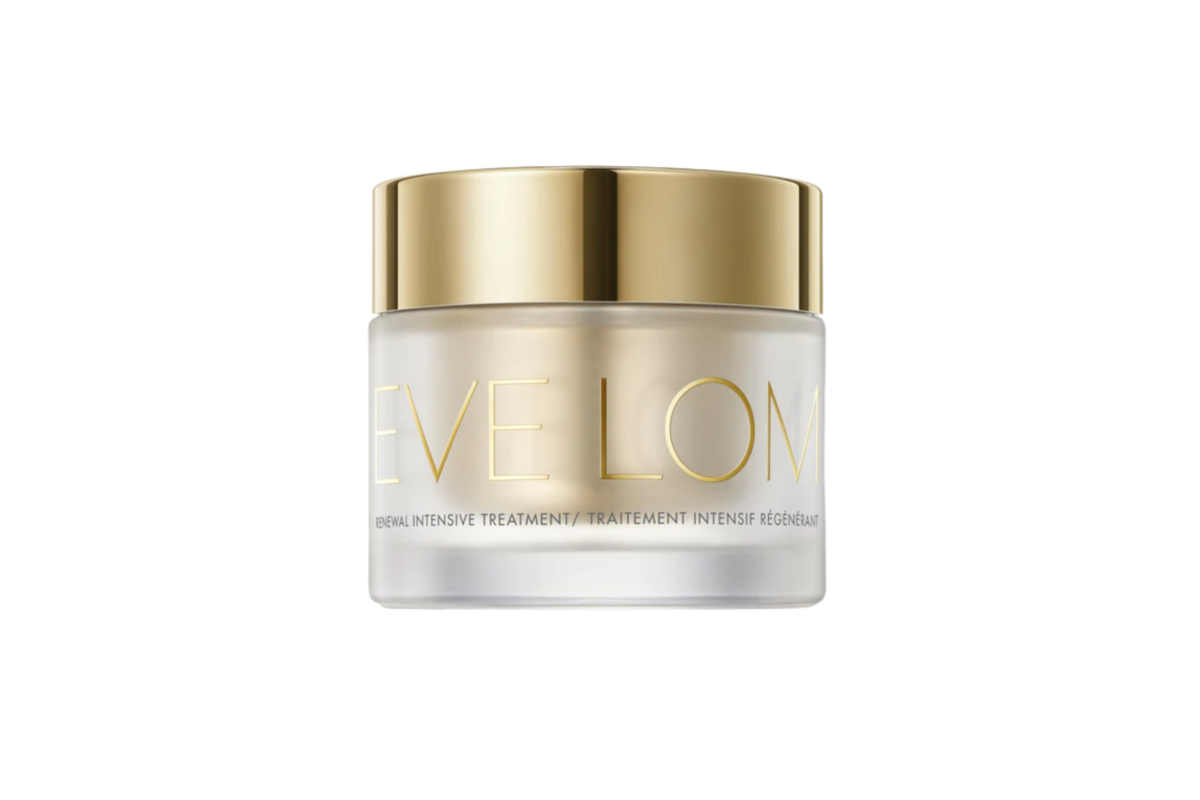
“Designed specifically for overnight recovery and visible rejuvenation during the skin’s peak repair hours, a standout ingredient is the circadian floral active, derived from a rare wild lavender species and formulated to support melatonin activity.” says Jojo. “It’s a 2-in-1 formula, which can be used as a night cream, or layered with the brush provided as a sleep mask.”
Environ, Focus Care Moisture Super Moisturiser, £38
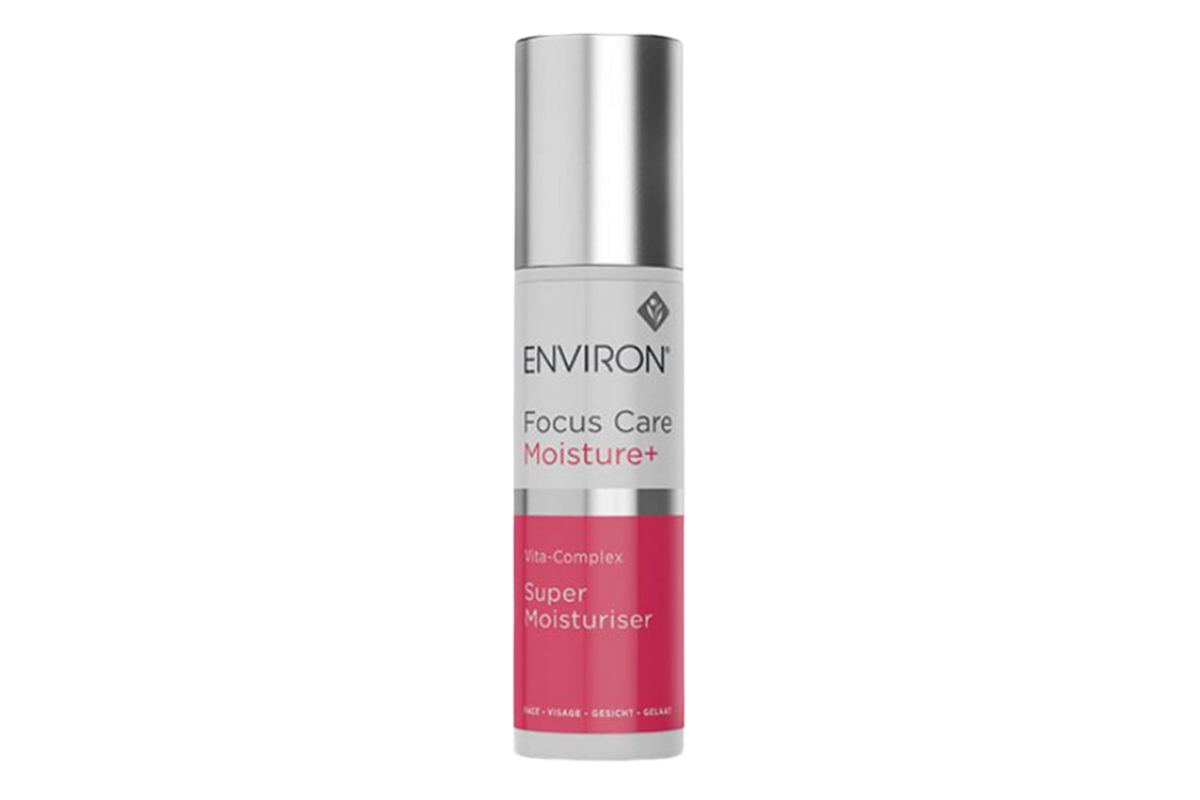
“A luxurious cream, containing a variety of dynamic moisturisers and emollients that assist in enhancing the skin’s barrier function as well as natural moisturising factors,” Joanna. “Vitamins and antioxidants help to protect against free-radical damage, resulting in skin that feels nourished and refreshed.”
La Rosée, Moisturising Body Cream £17.90
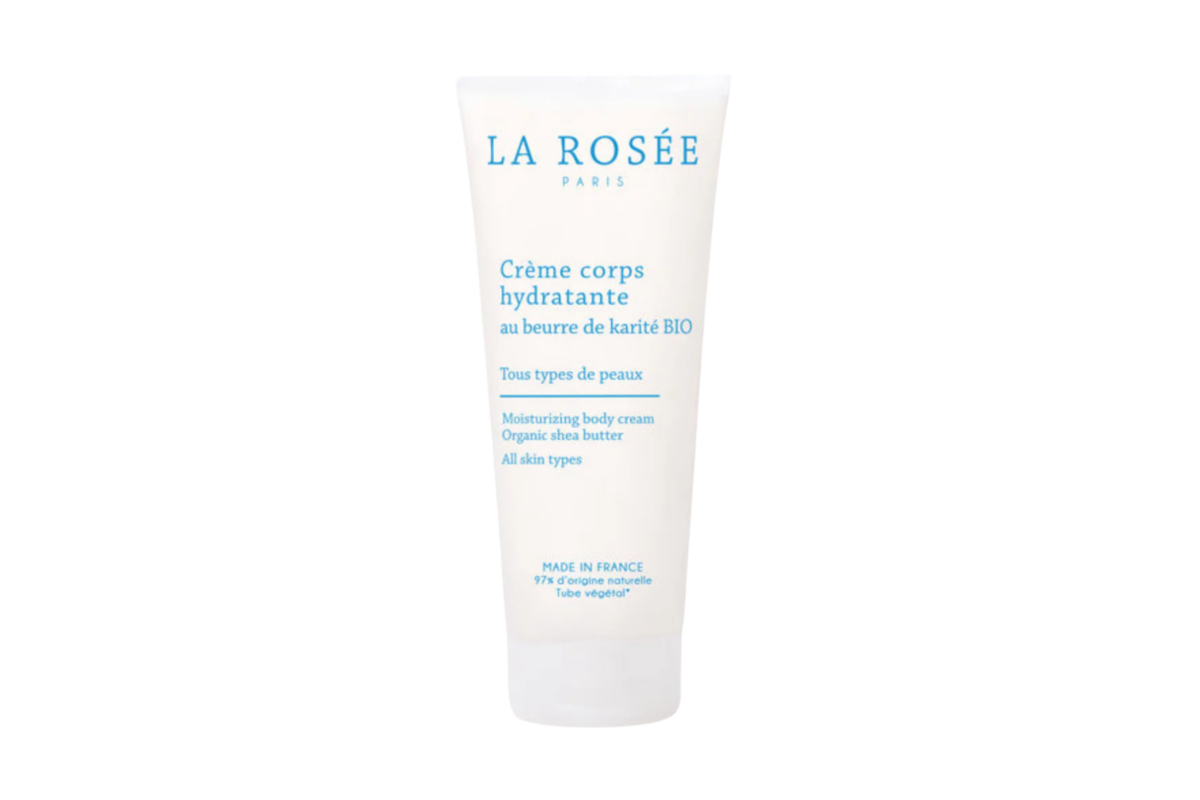
“We can’t forget overnight lipid replenishment for the body,” says Marine. “Non-sticky, and with a light scent of orange blossom and rose that wraps your body in a veil of softness.”
Eve Lom, Clenser, £48
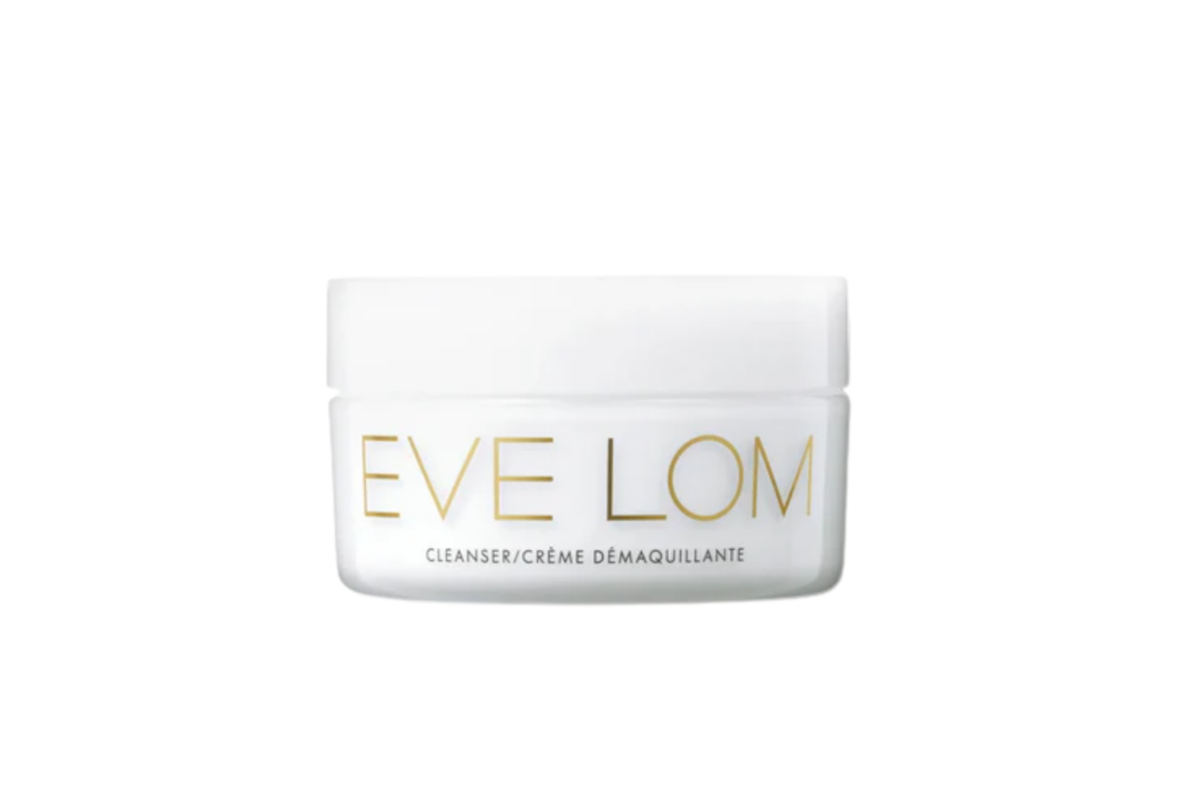
“This luxurious cleanser removes make-up, cleanses, buffs, hydrates, and primes the skin,” explains JoJo. “Clinically proven to hydrate skin for up to 12 hours after use, increase hydration by 34%, and improve the absorption of follow-up skincare products. It’s a cult favourite for a reason.”
Skin Diligent, Exosome Night Cream, £83
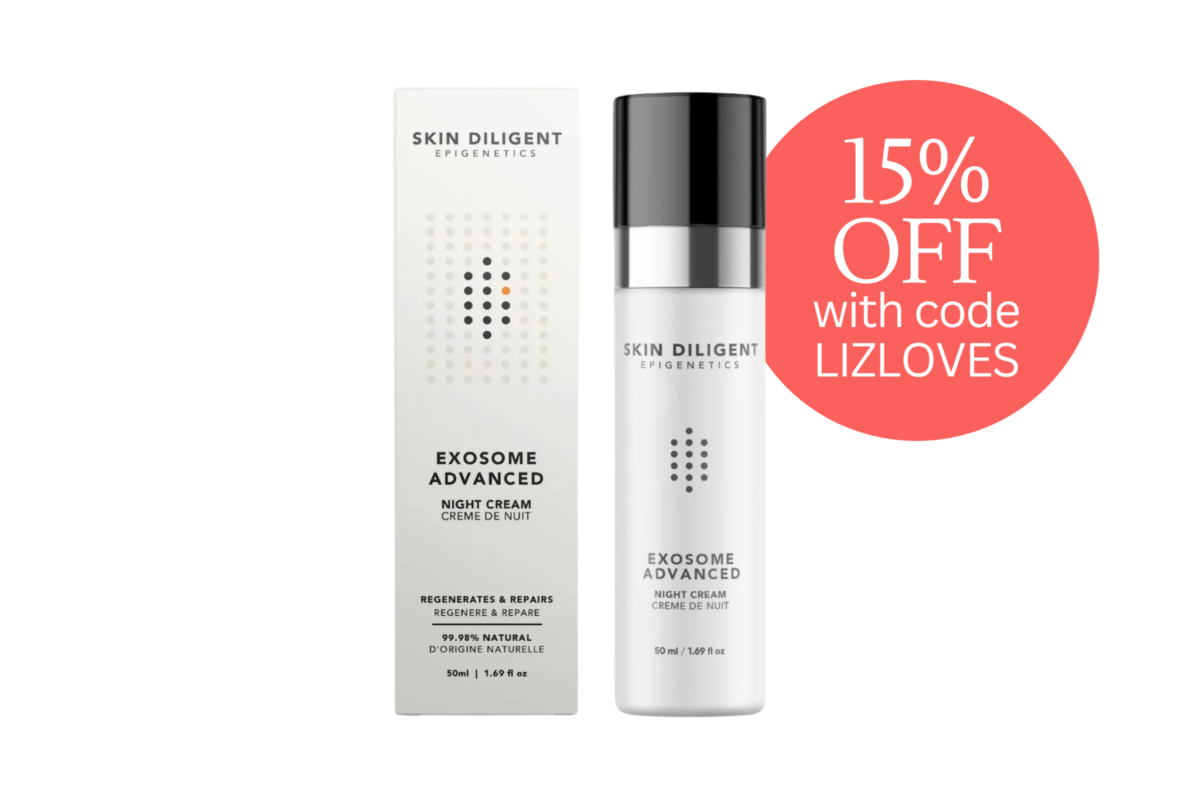
Whilst this night cream has a light texture, it’s loaded with exosomes, high-tech ingredients that support the skin barrier, optimise hydration and improve overall skin health.
La Roche Posay, Cicaplast Balm B5+, £11
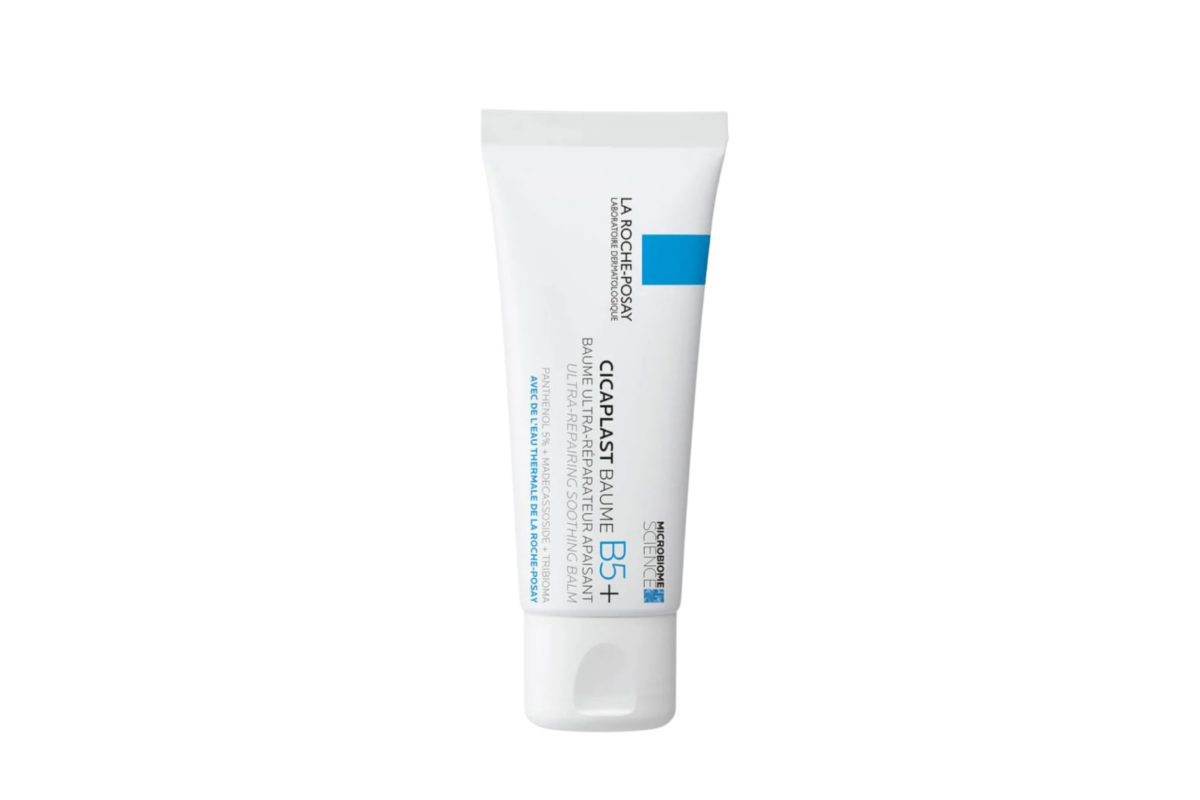
Intensely cooling, soothing and hydrating, this barrier cream is suitable for all skin types. Apply day or night, layer into a mask, and make sure to rub it into your hands too. It’s a great all-rounder!”
Skin Matters, Calming Gel, £65
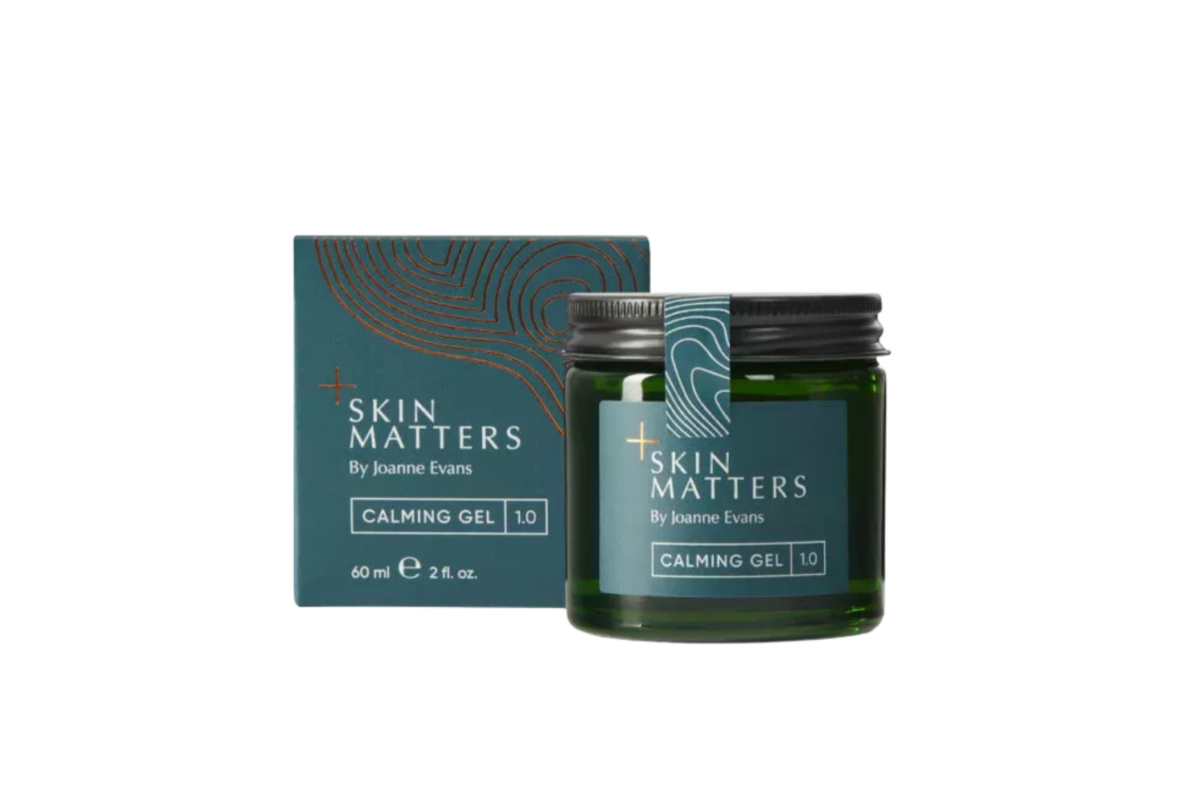
“Formulated using 30 years of practical skin expertise, my balm-to-gel formula offers clinical relief to post-treatment skin using a soothing blend of advanced niacinamide, alpine mallow and hydrators,” says Joanne. “It can be safely used on inflamed and sensitive skin to immediately cool and soothe any irritation.”
Please note, on some occasions, we earn revenue if you click the links and buy the products, but we never allow this to bias our coverage and always honestly review. For more information please read our Affiliate Policy.