
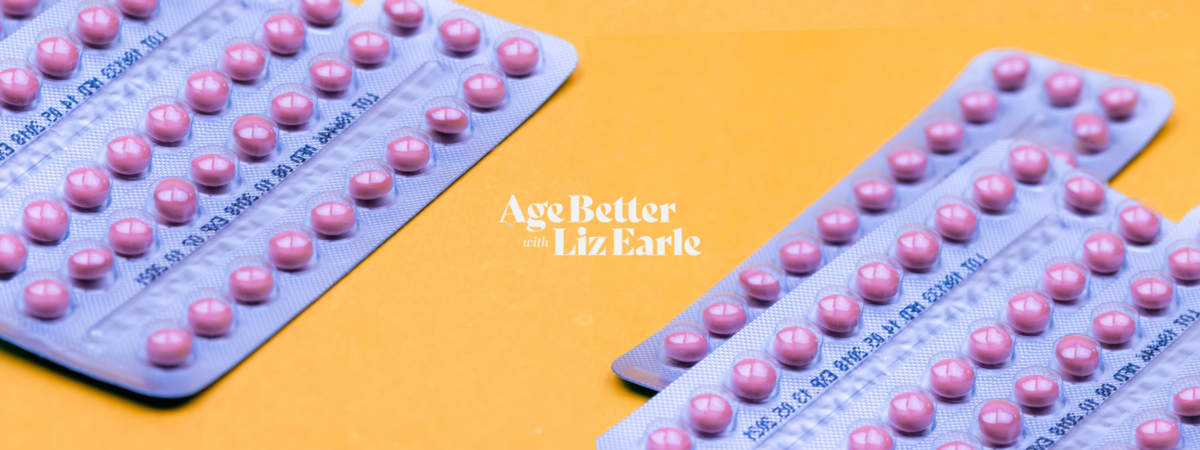
While midlife women can be prescribed body-identical hormones on the NHS, their daughters and nieces are being given synthetic hormones that may carry more side effects and risks. Liz unpacks the differences between the two – and what every woman should know about her hormone healthcare, whether she’s weighing up the pill or navigating menopause.
Plus: vibration plates for lymphatic drainage, the health benefits of sea moss, how to get rid of stubborn cellulite, and is it ever too late to start taking HRT?
Stream the episode below, or download the recording via Apple Podcasts or Spotify.
What every woman should know about hormone healthcare
For decades, the contraceptive pill has been routinely prescribed to younger women not only for contraception, but also for heavy bleeding and painful periods. Yet many women are never fully informed about the potential impact of synthetic hormones on mood, libido, weight and overall wellbeing – or told that other options may exist.
“Doctors often recommend the contraceptive pill because it suppresses ovulation and stabilises hormonal fluctuations,” explains Liz. It can lessen menstrual bleeding, ease pelvic pain and reduce the growth of endometrial tissue. For those struggling with difficult periods or endometriosis symptoms, this can bring significant relief.
But for some, the traditional pill isn’t well tolerated, and many women aren’t aware that there are alternatives they can try.
Synthetic hormones vs body-identical hormones
Body-identical hormones are designed to closely match the hormones naturally produced by the body, while synthetic hormones are chemically altered versions that can affect women differently.
It feels contradictory, says Liz, that many midlife women can now access body-identical oestrogen in the form of HRT, while younger women are routinely offered synthetic hormones for contraception and period management.
She explains that there are newer contraceptive pills that use forms of oestrogen closer to the body’s natural hormones. Zoely contains 17-beta estradiol – the same type of oestrogen naturally produced by the ovaries. Qlaira uses estradiol valerate, which the body converts into a more natural form of oestrogen.
These may not be routinely offered by all GPs, but it’s worth asking about available options and whether there’s a specialist you can speak to.
Beyond medication
While hormonal treatment can be transformative, it’s only part of the puzzle. Liz points out that the pill is often prescribed before the root cause of symptoms has been properly investigated via an ultrasound or MRI.
She also highlights how lifestyle tweaks can make a difference when managing pain and inflammation. An anti-inflammatory diet rich in colourful vegetables, omega-3 fats and extra virgin olive oil will help support hormone balance and inflammatory pathways. Supplementing with magnesium can help with cramps.
When the body is managing chronic pain, gentle stretching and yoga, as well as breathwork and meditation can support the nervous system.
As conversations around hormone healthcare become more sophisticated, the issue isn’t whether what we’re being prescribed is ‘good’ or ‘bad’, Liz explains. Whether we are looking into the pill or considering HRT, what’s important is that women are being given fully informed choices, proper investigations and holistic support alongside it.
Also in this episode:
- What is sea moss and should I be taking it?
- Can vibration plates help with lymphatic drainage?
- Natural ways to help with endometriosis
- How to reduce the appearance of cellulite
- Am I too old to start taking HRT?
Links mentioned in the episode:
- Newson Clinic for hormone health
- Am I too old to start HRT? podcast
- Vitamin C
- Collagen peptides
- Podcast The pill, HRT and medical gaslighting, with Kate Muir
- Read Kate Muir’s book, Everything You Need to Know About the Pill (but were too afraid to ask)
- Read Louise Newson’s book, The Power of Hormones
- NICE guidelines on Zoely contraceptive pill
- Omega-3s
- Magnesium
- Read Can diet help with endometriosis?
Get in touch with a question for Liz:
- Email: [email protected]
- WhatsApp: 07518 471 846
More from Liz:
- Order Liz’s new book – How to Age
- A Better Second Half
- Follow Liz on Instagram
- Follow Liz Earle Wellbeing on Instagram
Some links may be affiliate links, which help support the show at no extra cost to you. Read our Affiliate Policy for more information.