
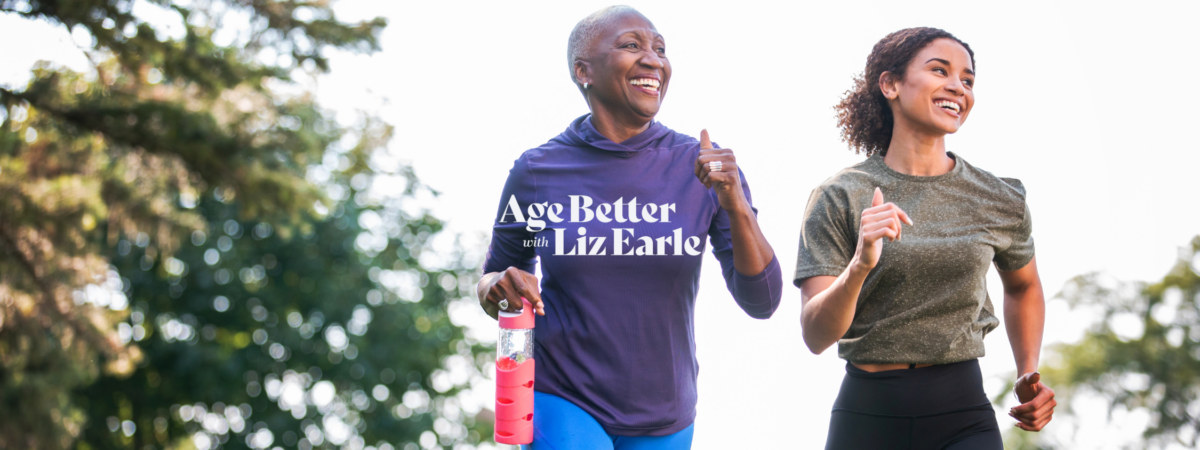
Is it really possible to reduce your risk of getting dementia? Liz discusses the factors that contribute to developing it, and shares the diet and lifestyle changes we can make to protect the brain.
Plus: dating after divorce, whether beef tallow is effective as a skincare product, tips to reduce injury when working out and HRT-free ways to manage menopause.
Stream the episode below, or download the recording via Apple Podcasts or Spotify.
3 ways to reduce your risk of dementia
Dementia continues to be a growing challenge, especially as we are living longer. One listener, Jane, who has a history of it in her family, was interested to find out if there is anything she can do to reduce her risk.
“Some of the strongest contributors to dementia risk relate to lifestyle,” explains Liz. Conditions such as insulin resistance, blood sugar dysregulation, chronic inflammation and cardiovascular health have a damaging impact on cognitive function.
But there are steps we can take right now that will make a difference. “The key thing is to remember that genetics are not our destiny,” she continues. Here are three simple shifts ways to support brain health.
Choose the right foods
“The brain is very metabolically demanding,” says Liz. “It’s a super-hungry organ.” The best way to feed it is with good-quality fuel. Prioritise whole foods over ultra-processed, and fill your plate with protein, polyphenol-rich vegetables and oily fish such as salmon or mackerel for healthy omega-3 fatty acids.
Supplements can also be helpful, and vitamins B6, B12 and folate are especially protective. Give your brain an extra advantage by reducing or cutting out sugar and alcohol, which contribute to inflammation and cognitive decline.
Keep your brain stimulated
Alongside a healthy diet, regular physical activity increases blood flow to the brain and directly improves your metabolic health and blood sugar regulation. “Type 2 diabetes and insulin resistance significantly increase dementia risk,” explains Liz. It’s also good to keep your brain stimulated, challenged and curious through learning, trying new hobbies, daily puzzles and reading.
And don’t forget the importance of social connections. “Loneliness is a significant risk factor,” says Liz, so spending time with friends and family, joining local groups, and even volunteering in your local community can be beneficial.
Rest and relaxation
Stress management is key to a healthy brain, Liz says. This is because chronic stress and high levels of cortisol (our stress hormone) can have a detrimental impact on the brain’s memory centres. And don’t overlook the power of good-quality sleep. “When we sleep, we’re not just resting – that’s the time when the brain will clear waste matter,” she explains. Boost your chances of decent shut-eye with magnesium before bed, an eye mask and lavender drops.
Also in this episode:
- Stepping back into the dating world after divorce
- Applying beef tallow to your skin – fad or natural beauty hack?
- Ways to manage menopause if you can’t take HRT
- Tips for reducing injury when working out in midlife
Links mentioned in the episode:
- Omega-3
- Vitamin B
- Food for the brain website
- Reduce your risk of Alzheimer’s disease, with Patrick Holford
- 10 ways to reduce your risk of Alzheimer’s naturally
- Information on homocysteine tests
- NICE guidance
- Podcast with Kirsty Lang and Dr Sarah Glynne on breast cancer and HRT
- Protein
- Creatine
- Magnesium
Get in touch with a question for Liz:
- Email: [email protected]
- WhatsApp: 07518 471 846
More from Liz:
- Preorder Liz’s new book – How to Age
- A Better Second Half
- Follow Liz on Instagram
- Follow Liz Earle Wellbeing on Instagram
Some links may be affiliate links, which help support the show at no extra cost to you. Read our Affiliate Policy for more information.