
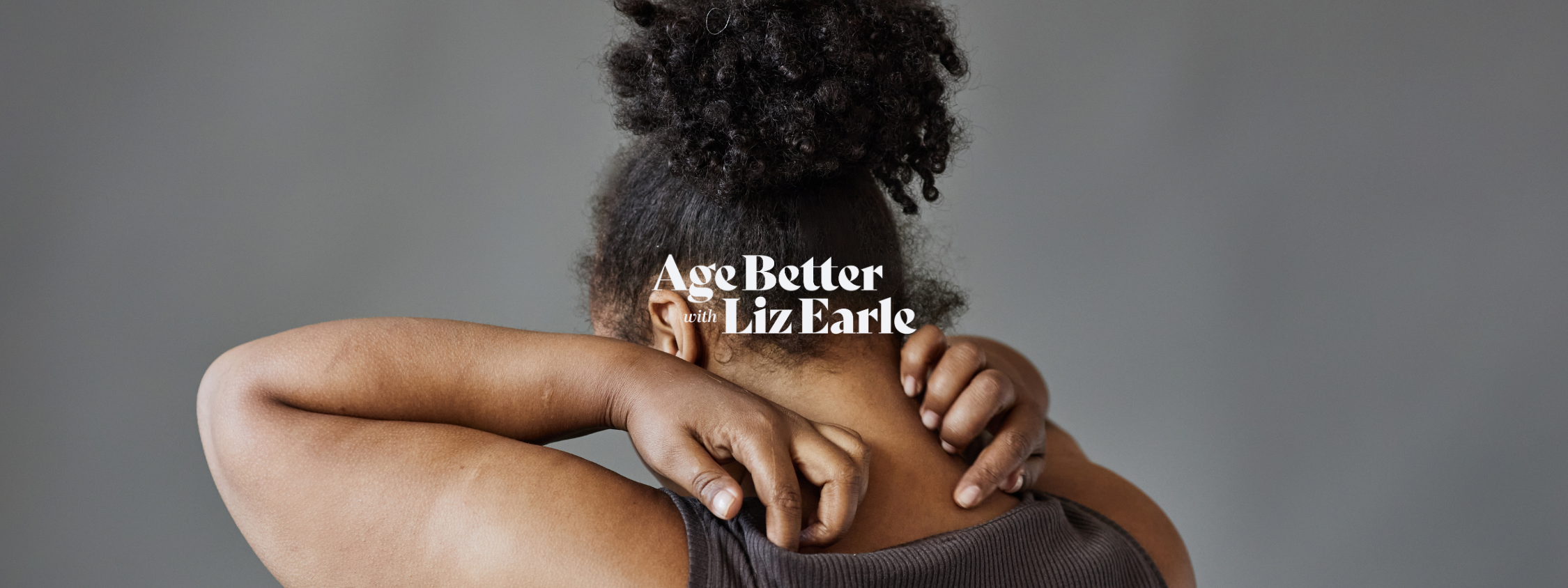
Could your anxiety, brain fog, IBS and itchy skin be signs of something more than midlife hormonal changes? Dr Clare Ashby, histamine intolerance and MCAS specialist joins Liz to reveal the condition that’s often overlooked – and how it can make HRT less effective.
Stream the episode below, or download the recording via Apple Podcasts or Spotify.
What if it’s histamine rather than hormones?
It’s common to experience physical and cognitive changes in midlife, and we often assume that anxiety, itchy skin, IBS and declining mental clarity are classic perimenopause symptoms. But, according to Dr Clare Ashby, these could actually be signs of disordered mast cells and histamine intolerance.
What are mast cells and how can they be problematic?
Mast cells are an important part of our immune system, helping to recognise danger. When they encounter what is perceived to be a threat, they release compounds such as histamine to counteract the effects of the potential danger – for example, in neutralising venom from a bee sting.
And while we need histamines to attack pathogens and toxins, what we don’t want is overreactive mast cells (often described as mast cell activation syndrome, or MCAS). This is when histamine is released to an extent that we can’t process it from our bodies.
Histamine intolerance in midlife
The hormone connection
“The issue around activated mast cells is that they are either too activated or they’re disordered,” explains Clare. Histamine intolerance happens when the excess production of histamine or the inability to break it down causes symptoms in your body – and as we get older, these symptoms can be confused with perimenopause.
During the natural hormone fluctuations in midlife, peaks in oestrogen and declining progesterone can destabilise and activate our mast cells. Our bodies can become more reactive and inflamed, which might show up as irritated skin, poor sleep, fluid retention, brain fog or heavier bleeding. Thinking it’s perimenopause, we might start a trial of hormone treatment – but there’s a chance this could even exacerbate symptoms.
Why HRT could be making it worse
“Our narrative in the UK has been so oestrogen-focused in all hormone care, and while oestrogen is phenomenally good for us, unfortunately it destabilises mast cells,” says Clare. More mast cell reactivity results in higher histamine levels, and potentially a more difficult experience.
If the balance is off, taking HRT can start well, but then you might notice its effectiveness declines. Alongside assessing your HRT type and dosage, Clare also recommends considering additional issues that might be involved – did you ever have childhood asthma or eczema? Are you an IBS sufferer? Do you experience reactions from certain foods? If so, it might be worth looking into a more bespoke HRT package, with a focus on stabilising mast cells.
How to balance histamine levels
A low-histamine diet can be very helpful with relieving symptoms, and is often one of the simplest ways you can self-diagnose histamine intolerance. Try limiting high-histamine foods such as avocados, tomatoes, spinach, aubergines, aged meat, aged cheeses and fermented foods (kefir, sourdough, sauerkraut, kombucha).
Over-the-counter antihistamines, vitamin C, vitamin D and flavonoid supplements can also help stabilise mast cells, as can reducing stress with meditation and deep breathing. “You can suddenly have some answers about the symptoms you might’ve been living with for a very long time,” says Clare, “Especially if you’re a woman who’s having difficulty tolerating HRT – you’ve probably got your reason as to why almost straight away.”
Also in this episode:
- How hormone changes in midlife can lead to histamine imbalance
- The signs you may be histamine intolerant
- Why your HRT might not be working effectively
- Is avocado on sourdough making you ill?
- The surprising link between mast cell disorder, hypermobility, ADHD and IBS
- How over-the-counter antihistamines aren’t just for hay fever
Links mentioned in the episode:
Get in touch with a question for Liz:
- Email: [email protected]
- WhatsApp: 07518 471 846
More from Liz:
- Preorder Liz’s new book – How to Age
- A Better Second Half
- Follow Liz on Instagram
- Follow Liz Earle Wellbeing on Instagram
Some links may be affiliate links, which help support the show at no extra cost to you. Read our Affiliate Policy for more information.