
Forever chemicals and microplastics have become part of modern life – they’re in our wardrobes, kitchens, dental floss, in the water we drink, even the air we breathe.
On this episode of Age Better, Dr Sabine Donnai, founder of health assessment clinic, Viavi, joins Liz to explain why detoxification is just as important as sleep, nutrition and exercise when it comes to living well.
“It’s not that these chemicals are going to make us acutely ill,” she explains. “But what they do, they make us age less well. And that’s the real cost.”
But, rather than overhauling our entire lifestyle, we can focus one simple, practical swaps and lifestyle changes that genuinely reduce our toxic load (without going mad).
Easy ways to reduce microplastics and forever chemicals
Start with your gut
“We detoxify in four ways,” says Sabine. “Through our gut, kidneys, liver and skin.”
Of these, gut health is foundational. A fibre-rich, diverse diet helps bind and escort certain toxins – including microplastics – out of the body. Lentils, beans, vegetables, nuts, seeds and whole foods all play a role, alongside fermented foods such as kefir or sauerkraut.
Sabine also encourages dietary diversity: “Ideally, you’d be eating 100 different foods a week.” That might sound ambitious, but herbs and spices all count, and our gut bacteria thrive on variety.
And yes, regular bowel movements matter. If waste isn’t moving, toxins linger longer than they should.
Make simple kitchen swaps
It’s easy to feel overwhelmed when talking about plastics, so start with the practicalities.
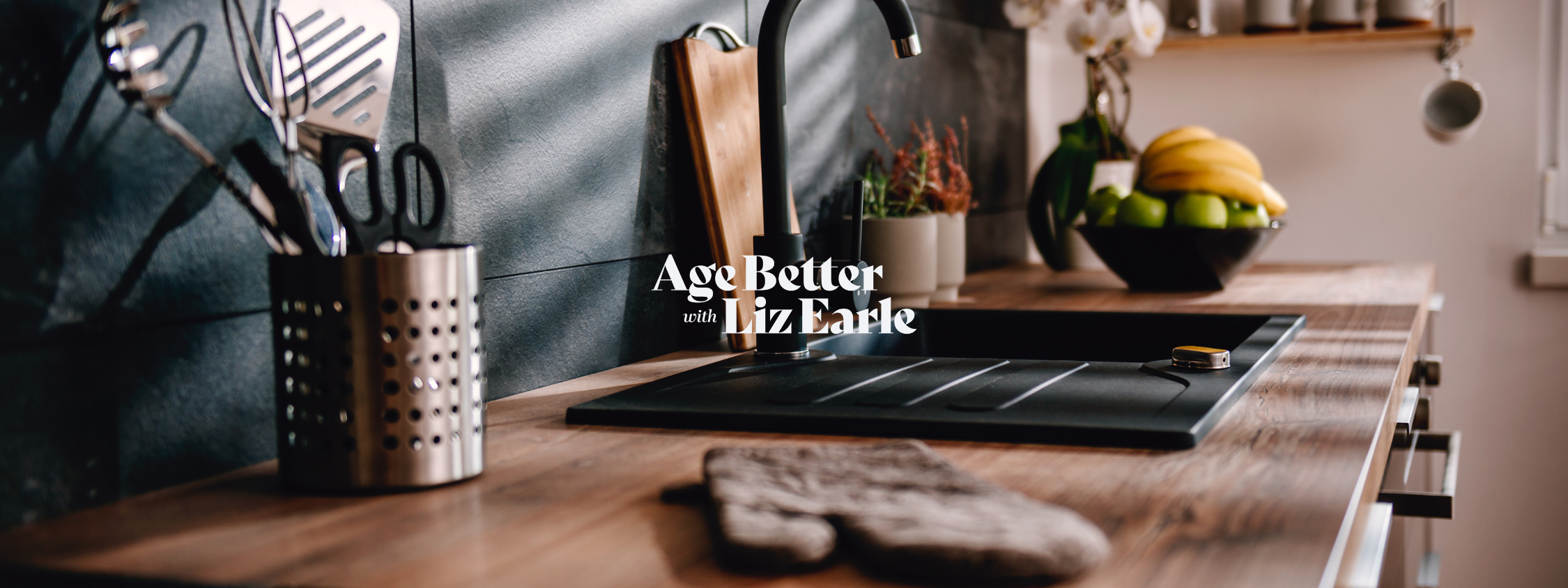
Heat and friction increase the release of microplastics and PFAS, so the kitchen is a smart place to start:
- Swap plastic chopping boards and utensils for wooden alternatives
- Avoid putting hot food into plastic containers
- Choose glass or stainless steel over plastic where possible
- Be mindful of kettles with plastic interiors or spouts
“In your own home is where you’re in control,” says Sabine.
These small changes will go a long way to reducing the cumulative load.
Support your liver and kidneys
Forever chemicals (PFAS) are often excreted via the kidneys, while many pesticides, herbicides and alcohol are processed by the liver.
“Alcohol is a toxin,” says Sabine. “It needs to be detoxified. If you drink alcohol on a daily basis, your liver is dealing with the alcohol and it’s not going to deal with your pesticides and herbicides.”
Hydration is key for kidney support. Sip filtered water consistently through the day rather than drinking large amounts in one go.
And don’t forget sweat. “Heavy metals you can sweat out in the main,” Sabine notes. Whether through exercise, a sauna or even a hot bath, encouraging circulation and gentle perspiration supports one of our natural detox pathways.
Also in this episode:
- Why detoxification is just as important as sleep, nutrition and exercise
- Where we encounter microplastics and PFAS daily
- The easy kitchen swaps to prioritise
- How your gut bacteria physically help you detoxify microplastics
- The four ways your body detoxifies (gut, kidneys, liver, sweating) and how to support each
- The role of advanced blood cleaning for those with high toxic loads
- Whether we all really have half a teaspoon of plastic in our brains
More from Liz:
- Preorder Liz’s new book – How to Age
- A Better Second Half
- Follow Liz on Instagram
- Follow Liz Earle Wellbeing on Instagram
More from Sabine:
Get in touch with a question for Liz:
- Email: [email protected]
- WhatsApp: 07518 471 846
Some links may be affiliate links, which help support the show at no extra cost to you. Read our Affiliate Policy for more information.