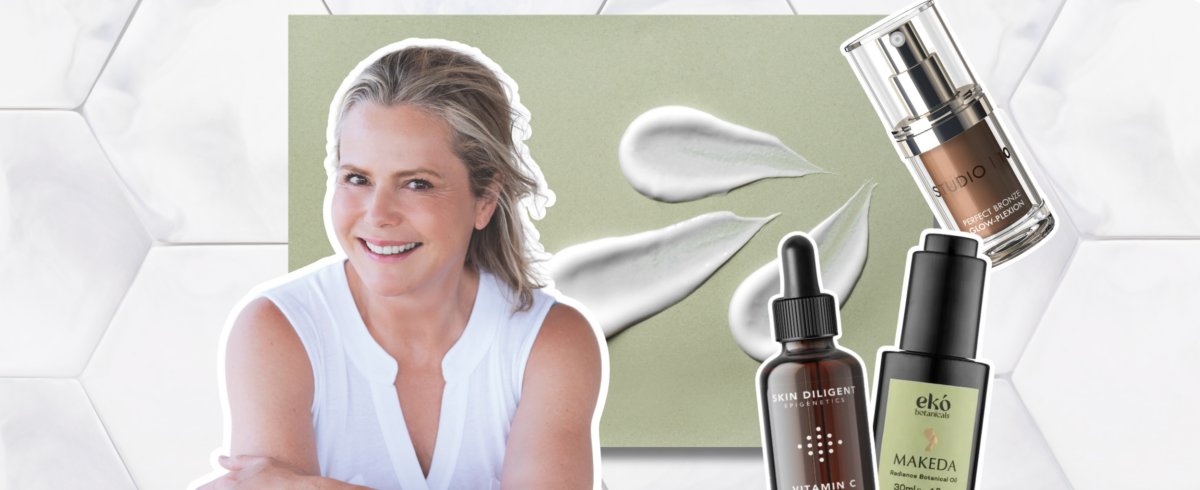


Can skincare products really turn back the years or is diet more important? Liz explains why what goes in is as important as what goes on, and shares the key ingredients that really make a difference.
Plus: supporting muscles and bones without weightlifting, natural remedies for menstrual migraines, the benefits of progesterone and can you take too many supplements?
Stream the episode below, or download the recording via Apple Podcasts or Spotify.
Diet or skincare – which matters more for ageing skin?
It’s inevitable to notice changes in our skin as we get older. And while we shouldn’t be avoiding the signs of ageing, there are things we can do to dial back the amount it shows on our skin and keep it at its best. But, as one listener asks, which has the most impact on how fast our skin ages? Is it diet? Or is it skincare?
Liz has always believed in a two-pronged approach when it comes to looking after our skin. “You can’t out-skincare a poor diet or lifestyle,” she says. “But, equally, nutrition alone won’t necessarily protect the skin from everything it’s exposed to.”
It’s about finding the right balance between what goes in as well as what goes on.
How skin changes as we age
As we move through our 30s, 40s and beyond, our bodies start to produce less collagen and less elastin, leading to skin that’s thinner and more prone to wrinkles. We also start to lose oestrogen, our skin-plumping hormone.
Cell turnover slows down, which can leave our complexion looking more dull and uneven. We might also experience a drop in oil production (sebum), which can cause dryness and sensitivity.
Cumulative damage from overexposure to the sun, pollution, and even stress can show up on the skin, as can how we eat and even how we live.
What goes in
Eating your way to younger-looking skin
When it comes to beauty, making sure your diet is rich in all those healthy, skin-friendly foods is going to make the most difference. “I would probably say it’s two-thirds what goes in and one-third what goes on,” says Liz. “Our skin is a living, metabolically active organ and it reflects what’s happening internally.” So, let’s look at the specials on Liz’s super-skin menu:
Protein
Our skin is made up of amino acids, the building blocks of protein. If we have a low protein intake, skin repair and collagen production suffers, which affects regeneration. Protein-rich foods such as meat, fish, eggs, or vegan alternatives such as quinoa or soy will give your body the raw materials it needs.
Healthy fats
Omega-3 fatty acids support the skin barrier to maintain suppleness, improve hydration and help calm inflammation. Key sources include oily fish, walnuts, extra virgin olive oil, avocados and chia seeds.
Polyphenols
Polyphenols are plant-based antioxidants that reduce inflammation and provide vitamin C for collagen synthesis, helping skin look younger for longer. You’ll find them in colourful veg, dark berries, green tea and even cocoa.
Hydration
Dehydrated skin loses its healthy glow more quickly, and this is when fine lines start showing up. Keep it plump and supple by drinking lots of water throughout the day. Liz likes to add electrolytes to her water for an extra boost of skin-friendly minerals.
Gut-friendly ingredients
A healthy gut will optimise nutrient absorption and reduce inflammation (which can lead to premature ageing). Protect your gut with a diet rich in fibre – fruit, vegetables, whole grains – and probiotic-rich foods such as yogurt, kefir and sourdough.
The beauty bad guys
The foods to avoid are those that accelerate ageing through a process called glycation, which stiffens collagen fibres and makes our skin less elastic. The main culprits Liz lists as sugar, refined carbohydrates, ultra-processed foods and alcohol, which cause imbalances in gut bacteria and contribute to inflammation. Reducing these in your diet or even avoiding them completely will make a noticeable difference to how healthy your skin looks.
What goes on
The role of skincare
While diet does most of the heavy lifting to keep our complexion looking its best, it’s skincare’s job to protect and support the surface of the skin. Liz’s favourite pro-ageing ingredients include:
Peptides
These messengers send signals to our skin cells to make them plumper and more resilient.
Topical vitamin C
As well as taking vitamin C in food and supplement form, it’s also added to serums and oils for a healthy glow.
Azelaic acid
This natural skin brightener can help to fade rosacea and hyperpigmentation, improving texture and clarity.
A good moisturiser
Moisturisers reinforce the skin’s own barrier and prevent trans-epidermal water loss, enabling the skin to hold on to moisture for longer, keeping it plump and smooth.
And let’s not forget sleep
The benefits of adequate sleep show up both inside and out. “It’s not called beauty sleep for nothing,” says Liz. “Poor sleep will show up very quickly on the face, and the reason for that is our skin cells repair overnight. We need deep, good-quality sleep to get into that rest and repair mode.”
Also in this episode:
- How you can support muscles and bones if you don’t like lifting weights
- Natural ways to soothe painful menstrual migraines
- The physical and cognitive benefits of progesterone
- Is it possible to take too many supplements (and where to start)
Links mentioned in the episode:
- Electrolytes
- Protein supplement with peptides
- Omega-3
- Collagen
- Vitamin C
- Sleep and relaxation resources
- HRT
- Dr Louise Newson
- Pre-order Louise Newson’s book, The Power of Hormones
- Glutathione
- Vitamin D
- SISTERLY The Elevator supplement
- Liz Earle Masterclass: The ABCs of Midlife Nutrition
- NHS guidance on vitamins and minerals
- National Institutes of Health vitamins and minerals fact sheets
- Article on rucking, the low-impact exercise
- Podcast with Caroline Idiens on building stronger muscles and bones at home
- Magnesium
- Podcast with Louise Newson and her daughter on hormones and migraines
Get in touch with a question for Liz:
Email: [email protected]
WhatsApp: 07518 471 846
More from Liz:
- Preorder Liz’s new book – How to Age
- A Better Second Half
- Follow Liz on Instagram
- Follow Liz Earle Wellbeing on Instagram
Some links may be affiliate links, which help support the show at no extra cost to you. Read our Affiliate Policy for more information.