

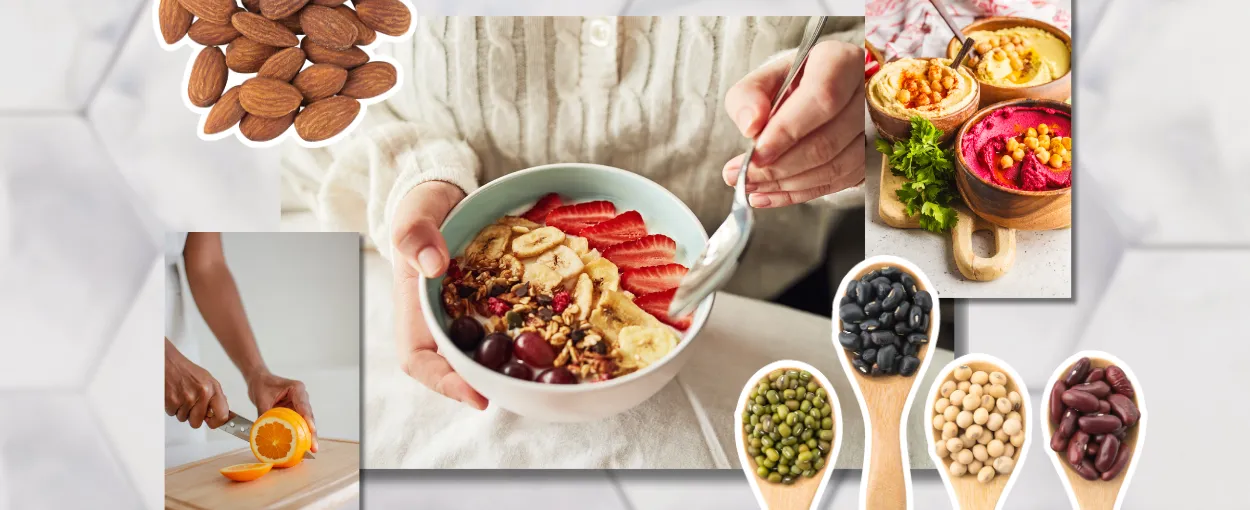
How much fibre are you actually eating?
For years, this nutrient has been largely touted as key for ‘keeping us regular’. While it is highly beneficial for digestive health and helping things move along, it actually does so much more. This includes helping to lower our risk of cardiovascular disease, certain cancers, metabolic disease, and obesity.
Yet many of us struggle to eat anywhere near enough. Experts recommend an average of 30g of fibre daily, but studies show most women barely hit two-thirds of this figure.
Why are we not eating enough fibre?
The issue is largely one of convenience says Becca Meadows, a women’s health nutritionist.
“We’ve fallen into a food trap of expecting everything we eat to be quick, convenient, and highly palatable,” she says. “Often, the price we pay for this is food where the fibre has been removed. Who wants to cook brown rice in 25 minutes when you can cook white rice in 10?”
Even when other options are available at no extra cost or time, we tend not to choose them. Grain-based products – including bread – are our primary fibre source; however, sales of refined white bread exceed those of more fibre-packed wholemeal loaves.
The result? We miss out on easy fibre wins that can help elevate our overall wellbeing.
Can fibre help make your menopause journey smoother?
It’s not just disease prevention that fibre has a part in: this nutrient is an ally in our menopause years.
“We often don’t realise the role fibre plays in optimising hormone levels and making sure excess waste hormones are removed from the body,” Meadows says. Research also suggests a strong link between our gut microbiome, hormones, and menopause symptoms – and fibre is important for keeping beneficial gut bacteria happy.
And it doesn’t end there. “At midlife we start to see metabolic changes, including changes in cholesterol, body composition, and insulin sensitivity,” says Nigel Denby, dietitian and founder of Harley Street at Home. However, “a higher-fibre dietary pattern is associated with better cardiovascular health, cholesterol management, and blood glucose control, as well as a lower risk of type 2 diabetes and colorectal cancer.”
While fibre (sadly) isn’t a cure-all for impacts of menopause, it truly is key many areas of our health.
What to know about soluble vs. insoluble fibre
There are two main types of dietary fibre.
Soluble fibre helps feed the good bacteria in your digestive system, explains Julie Gough, a BANT-registered nutritionist and health coach. Water-soluble in nature, it creates a gel-like substance in your gut. “This slows down digestion and the absorption of sugars and fats into the blood, and keeps us fuller for longer,” she says. It also helps regulate many of the body’s metabolic processes.
Meanwhile, insoluble fibre isn’t water-soluble and is harder for your body to digest. Gough explains that this type of fibre helps bulk out your stools and stimulates your bowel to encourage regular movements and avoid constipation.
There’s no need to focus on one type over the other, says Nigel. “What’s important is having a good variety of fibre-containing foods so that you’re naturally getting a mixture.”
9 foods to help you hit 30g fibre
So what does 30g of fibre actually translate to on our plates? Hitting that number is easier than we may think.
“You don’t have to transform your diet overnight,” assures Nigel. “Just keep adding a few more fibre-rich foods throughout the day and build things up gradually.” Here, our experts share their fibre-filled go-tos.
Ground flaxseed
A fantastic fibre source, but ensure the flaxseed is ground, so the fibre content is made available.
7g portion (1 tbsp) = 2g fibre
Provides soluble and insoluble fibre
Lentils
Need some dinner inspiration? Serve a nice piece of salmon or chicken alongside lentils and roasted veg for a solid fibre boost. Lentils also offer a good amount of plant protein.
150g portion (cooked weight) = 8g fibre
Provides soluble and insoluble fibre
Chickpeas
A fibre favourite, mix some chickpeas into your next curry for an easy win.
100g portion = 17g fibre
Provides soluble and insoluble fibre
Kidney beans
A go-to that can easily be added to your next chilli or made into tasty bean burgers.
100g (cooked) portion = 8.5g fibre
Provides soluble and insoluble fibre
Apples
A great on-the-go option. Keep the skin on to optimise insoluble fibre content.
Medium apple (about 180g) = 4.5g fibre
Provides soluble and insoluble fibre
Pears
Another snack hero for fibre – especially if you eat the skin.
Medium pear (about 180g) = 5g fibre
Provides soluble and insoluble fibre
Kiwis
“Two kiwis a day is one of the most validated methods to support daily bowel movements,” says Becca.
1 kiwi (unpeeled) = 4g fibre
Provides soluble and insoluble fibre
Wholemeal bread
An easy swap for your next sandwich if you’re reliant on white. Even better, make it sourdough.
2 slices = 7g fibre
Mainly provides insoluble fibre
Almonds
For a fibre-filled afternoon snack, opt for a handful of almonds. You’ll also benefit from healthy fats, plant protein, and a range of vitamins and minerals.
30g portion = 4g fibre
Mainly provides insoluble fibre
Our favourite supplements to up your fibre intake
Wild Nutrition High Fibre Plus

Get closer to your daily fibre goals with this 7-in-1 plant-based blend delivering 6g of fibre per serving.
ARTAH Essential Fibre

A daily blend of 11 plant fibres and botanicals that supports regularity, feeds your microbiome, and helps balance appetite and cravings.
Fast 800 Cloudy Apple Fibre Blend

A final word on fibre…
The key with fibre is to gradually increase your intake over several weeks. It can take time for the digestive system to adjust.
And, if you’re eating more fibre, don’t forget to drink plenty of water. “If you increase your intake too quickly without upping your water, it can lead to bloating, gas, diarrhoea, cramping, and constipation,” says Julie.